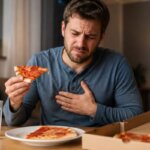
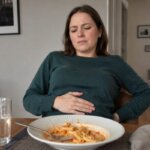
Feel sick after eating pizza can point to fat load, dairy, tomato sauce, portion size, or even how fast the meal was eaten. The key is to tell whether the first clue is slow digestion, dairy trouble, reflux-like burning, or simply too much pizza at once.
1. Check the Pattern Before Naming the Trigger
Start by noticing whether the discomfort feels like queasiness, stomach heaviness, bloating, burning, or urgent bathroom pressure. These signals can overlap, but they do not all point to the same cause.
Timing matters because symptoms that start quickly may suggest a different pattern from symptoms that build later as digestion slows. If the reaction changes with slice count, toppings, or eating speed, the total meal load may be more important than one ingredient.
2. When Nausea Points More Toward Fat Load
Pizza makes me nauseous is often a fat-load pattern, especially when the meal includes extra cheese, pepperoni, sausage, oily crust, or creamy dipping sauce. A high-fat meal can feel slow to leave the stomach, which may create queasiness, pressure, and a heavy full feeling.
This is often the missing clue when you wonder why pizza makes me nauseous even though bread or tomato foods feel fine. If greasy toppings make your stomach feel sick more than a plain slice does, the fat level deserves more attention than the crust or sauce alone.
3. When Cheese Makes This a Dairy Clue
Cheese becomes a stronger suspect when nausea after pizza comes with bloating, gas, cramps, loose stool, or a heavy lower-stomach feeling. In that pattern, the issue may be less about pizza itself and more about the large amount of dairy at once.
This does not always mean every dairy food will bother you. A little cheese may feel normal, while extra cheese, stuffed crust, or creamy sides may push the meal past your tolerance point.
4. When Tomato Sauce Feels Like More Than Acid
Tomato sauce can matter, but the symptom pattern should decide how much weight it gets. If the sick feeling comes with sour taste, throat irritation, burping, or upper-stomach discomfort, sauce may be part of a reflux-like reaction.
The clue gets stronger if tomato pasta, salsa, ketchup, or spicy marinara also leave you queasy. If those foods feel fine but pizza still makes you feel ill, fat, cheese amount, portion size, or eating speed may be better suspects.
If tomato sauce bothers you with pepper toppings, compare the reflux pattern in Bell Peppers Upset My Stomach? Check Skin, Color, or Reflux
5. When Portion Size Explains the Queasy Stomach
Feel nauseous after pizza is often worse after several slices than after one controlled slice. A larger portion creates more stomach pressure, more fat to digest, and a longer window before the meal feels settled.
This pattern is especially likely when you eat quickly, drink soda with the meal, or keep eating after fullness has already started. If one slice feels normal but half a pizza causes an upset stomach, the first test is portion size rather than a complete pizza ban.
6. When Burning Changes the Next Step
If the main feeling is chest burning, sour reflux, throat heat, or discomfort that worsens after lying down, this is no longer only a pizza-related nausea question. That pattern points more toward heartburn or reflux because the discomfort is moving upward instead of staying as stomach queasiness.
This distinction matters because reflux-focused changes are not always the same as nausea-focused changes. Smaller portions may help both, but red sauce, late-night meals, and lying down after eating become more important when burning is the main symptom.
If burning or sour reflux becomes the main pattern, your next check is Heartburn After Eating Pizza? The Real Trigger May Not Be Sauce
7. When Food Safety Should Stay on the List
An upset stomach after pizza can also come from storage, reheating, or toppings that were not handled well. This becomes more likely if nausea comes with vomiting, diarrhea, fever, strong cramps, or if someone else who ate the same pizza also got sick.
Leftover pizza deserves extra caution if it sat out for a long time or was only lightly reheated. If symptoms are severe, keep returning, include blood, dehydration, chest pain, trouble swallowing, or happen after most meals, get medical advice instead of only testing pizza variables.
8. When to Test the Trigger Without Guessing
The easiest way to stop guessing is to repeat pizza with only one change at a time. Try a smaller portion first, then compare light cheese, fewer greasy meats, less red sauce, or an earlier mealtime on separate occasions.
That is why the better question is not only why does pizza make me feel sick, but which variable changes the reaction. If pizza makes you feel sick only when it is large, greasy, and eaten quickly, the answer is probably different from getting queasy after one small plain slice.
9. Key Takeaways
- Feeling sick after pizza is not always the same as heartburn after pizza.
- Fat-heavy toppings are more likely when nausea comes with slow, heavy digestion.
- Cheese is more likely when bloating, gas, cramps, or loose stool follow the meal.
- Tomato sauce matters more when sour taste, throat irritation, or upper-stomach discomfort appears.
- Portion size is a strong clue when one slice feels fine but several slices make you queasy.
- Food safety should be considered when vomiting, diarrhea, fever, or shared illness appears.
- Change one pizza variable at a time so the real pattern becomes easier to see.