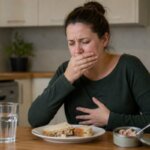
Pork makes me nauseous can mean different things depending on the cut, portion, cooking method, and timing. This guide helps you separate a heavy greasy meal from repeated pork sensitivity, food safety concerns, or allergy-like warning signs.
1. Start With Timing Before You Pick One Cause
A reaction that starts during the meal is not judged the same way as symptoms that appear hours later. Smell, grease, portion size, cooking method, and repeated patterns each point in a different direction.
This article starts with the exact meal pattern, then separates heaviness, processed meat, food safety signs, and when the reaction needs more caution. That order helps you avoid calling one uncomfortable meal a permanent intolerance too quickly.
2. When Fatty Cuts Seem To Change Everything
Pork belly, ribs, bacon, sausage, and heavily fried pork can feel harder to tolerate because they are often dense, salty, and high in fat. If lean pork feels easier but greasy pork makes you nauseous, fat load is a stronger clue than pork intolerance.
This pattern may also come with burping, reflux, bloating, heaviness, or an upset stomach after pork. It is more likely when the meal is large, eaten quickly, or paired with creamy sauce, cheese, alcohol, bread, or late-night eating.
3. When Bacon, Sausage, Or Ham Point Somewhere Else
Bacon makes me nauseous does not always mean fresh pork would cause the same reaction. Bacon, sausage, ham, and deli pork can bring extra salt, smoke flavor, preservatives, spices, grease, or portion stacking.
If nausea after eating pork happens mainly with processed pork, compare it with a small serving of plain, well-cooked lean pork at another time. A processed-meat pattern points more toward the full meal and preparation style than the meat alone.
4. When Portion Size Explains The Sick Feeling
Pork can feel fine in small amounts but overwhelming when the meal is large, fatty, or eaten fast. Pulled pork sandwiches, pork ribs, pork belly, and sausage-heavy breakfasts can become a total meal-load issue before they become a true sensitivity clue.
This is especially likely if the nausea feels like fullness, pressure, slow digestion, or food sitting in your stomach. In that case, the better question is not only why does pork make me sick, but whether the serving size and fat level changed the reaction.
5. When Food Safety Needs To Be Ruled Out First
Undercooked pork, poorly stored leftovers, cross-contamination, or meat that tasted unusual changes the situation. Nausea after eating pork with vomiting, diarrhea, fever, chills, cramps, or a generally ill feeling should not be treated as simple indigestion.
This matters most after questionable restaurant meals, reheated pork, pink or undercooked ground pork, or leftovers that sat out too long. If you feel sick after eating pork from one suspicious meal, food poisoning and pork food poisoning symptoms should be considered before assuming pork sensitivity.
If nausea follows another suspicious protein meal, compare the food-safety pattern with Tuna Makes Me Nauseous? Histamine, Fat, or Food Safety Warning
6. When A Repeated Pattern Points Beyond One Meal
Pork intolerance symptoms are more convincing when the reaction repeats across different meals, different restaurants, and different cuts. One bad pork belly meal is weaker evidence than nausea after lean pork, bacon, sausage, ham, and pork chops on separate occasions.
A food diary can help because pork is often eaten with other triggers such as fried sides, spicy sauce, cheese, bread, alcohol, or large portions. If you suddenly can’t eat pork anymore, track the cut, cooking method, portion, timing, and symptoms before deciding that your stomach hates pork itself.
7. When Other Red Meat Changes The Next Question
If pork makes you nauseous but chicken, fish, eggs, and tofu feel fine, the issue may involve fat level, mammal meat, or the specific way pork is prepared. If beef or lamb also causes nausea, the pattern becomes less pork-specific and needs a wider comparison.
This distinction matters because pork-related nausea can stay limited to pork belly, bacon, sausage, or greasy cuts. A wider red meat pattern shifts the next question toward timing, mammal meat tolerance, and repeated reactions across different meals.
If beef or lamb also causes the same reaction, use this as the next comparison step: Red Meat Makes Me Nauseous? Check Timing Before Intolerance
8. When Allergy-Like Signs Need More Caution
Nausea alone does not prove a pork allergy, but nausea with hives, itching, swelling, wheezing, throat tightness, dizziness, or faintness is a different situation. Delayed symptoms after mammal meat can also be important, especially if they repeat several hours after eating.
Do not keep testing pork at home if the reaction includes breathing symptoms, swelling, faintness, or severe whole-body symptoms. That pattern needs urgent medical help or medical care instead of a normal digestive experiment.
9. When To Stop Testing And Get Help
Stop self-testing if nausea after pork comes with repeated vomiting, bloody stool, high fever, dehydration signs, severe abdominal pain, or symptoms that keep worsening. These signs need more caution than ordinary post-meal heaviness.
Medical advice is also worth considering if pork makes you sick every time, if you are avoiding many foods, or if the pattern is affecting weight, nutrition, or daily life. Use this guide as a symptom-pattern check, not as a diagnosis.
10. In Short
- Pork makes me nauseous is best judged by cut, fat level, portion size, cooking method, and timing.
- Pork belly, bacon, sausage, ribs, and fried pork point more strongly toward fat load or meal heaviness.
- Bacon makes me nauseous may involve processing, salt, smoke flavor, spices, or grease rather than fresh pork alone.
- A one-time reaction after questionable meat should be judged as a food safety issue before intolerance.
- Repeated nausea after different pork meals makes pork sensitivity or intolerance more worth tracking.
- If beef or lamb also causes nausea, the question may be broader than pork.
- Nausea with hives, swelling, breathing trouble, faintness, fever, or severe pain should not be repeatedly tested at home.