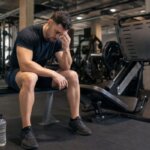
Feel nauseous after rowing machine workouts can be confusing because the movement looks smooth, but the sick feeling can hit hard once your pace rises. The key is to judge whether the nausea came from stroke rate, breath-holding, stomach compression, visual motion, fuel timing, or a signal to stop.
1. Feel Nauseous After Rowing Machine and the Pattern to Notice First
Feeling nauseous after a rowing machine session is not always the same as feeling sick after general cardio. Rowing combines leg drive, core pressure, pulling effort, breathing rhythm, and a repeated forward-and-back motion. If one part of that pattern gets too aggressive, your stomach may react before your muscles feel fully tired.
The first clue is when the nausea starts. If it builds during hard rows or sprint intervals, the trigger is usually pace, stroke rate, breathing, or short recovery. If it appears when you fold forward at the catch, the stomach may be getting compressed. If it gets worse while staring at the monitor or moving back and forth, the rowing motion itself may be part of the problem.
2. When Stroke Rate Turns a Smooth Row Into a Sick Feeling
The rowing machine can make you nauseous when your stroke rate climbs faster than your breathing and recovery can handle. This often happens when you treat each pull like a sprint, rush the recovery, and keep sliding forward before your body has settled. The workout may still look controlled from the outside, but internally your heart rate and stomach are being pushed in repeated surges.
A useful test is whether the nausea improves when you slow the stroke rate while keeping the movement smooth. If a lower rate feels better, the problem is not necessarily the rower itself. It means the session became too fast, too early, or too interval-like for your current conditioning.
If nausea appears mainly during sprint rows or short rowing intervals, compare the pattern with Feel Nauseous After HIIT: Intensity, Breathing, or a Sign to Stop?
3. When Breath-Holding Falls Behind the Drive and Recovery
Breath-holding is a major reason people feel sick after an erg workout. During the drive, you push with the legs, brace through the trunk, and pull the handle toward the body. If you hold your breath through that effort or breathe in a rushed, shallow way, nausea can build with chest tightness, heat, dizziness, or a sudden urge to stop.
The rowing rhythm should not feel like a breath-holding contest. Many people do better when they exhale through the drive and let the inhale happen during the recovery. The exact rhythm does not need to be perfect, but your breathing should stay controlled enough that each stroke does not feel like you are bracing against pressure.
If you cannot regain steady breathing during easier rows, the pace is too high for that session. Lower the resistance, slow the stroke rate, and extend rest periods before trying another hard set. Breathing should recover before nausea becomes the signal that you went too far.
4. When the Catch Position Presses Into Your Stomach
Some people feel nauseous on the rowing machine because the forward position compresses the stomach. This is most noticeable at the catch, where your knees are bent, your torso comes forward, and your abdomen can feel crowded. If you ate too close to the workout, drank a large amount right before rowing, or row with a very compressed setup, that position can make your stomach feel sour, full, or unstable.
This pattern is different from general workout nausea. The sick feeling may appear when you slide forward, fold into the catch, or row with a rounded posture that squeezes the midsection. It may feel less like “I am out of shape” and more like the rower keeps pushing into your stomach at the same point in every stroke.
The fix is usually mechanical before it is dramatic. Avoid over-compressing at the front of the stroke, keep the torso long instead of collapsing forward, and do not row hard right after a heavy meal. If a smaller range at the catch reduces the nausea, stomach pressure was likely part of the trigger.
5. When the Back-and-Forth Motion Adds a Motion-Sick Feeling
The rowing machine can also make you feel sick because of the repeated sliding motion. You are not bouncing like jump rope or running, but your body still moves forward and backward over and over. For some people, that rhythm feels fine at an easy pace but becomes nauseating when the stroke rate rises or the visual focus keeps shifting.
The monitor can make this worse. Staring at numbers that constantly change while your body moves can make the sick feeling stronger, especially if you are already prone to motion sensitivity. In that case, looking at a stable point, softening your gaze, or checking the monitor less often may help.
This pattern usually feels different from low blood sugar or dehydration. You may feel queasy, slightly dizzy, visually unsettled, or uncomfortable with the repeated movement even when the workout is not extremely hard. If the nausea drops when you slow down, look away from the monitor, or shorten the session, motion sensitivity was probably part of the rowing-specific trigger.
6. When Fuel, Water, and Timing Still Matter
Even when rowing is the main trigger, food and hydration still change how your stomach handles the workout. Rowing hard on an empty stomach can leave you nauseous, shaky, weak, or drained, especially in the morning or after a long gap between meals. Rowing right after a large meal can create the opposite problem: the catch position, core pressure, and repeated movement make the stomach feel too full.
Water timing matters too. Chugging water right before rowing can make your stomach slosh during the stroke. Not drinking enough earlier in the day can make hard rowing feel hotter, heavier, and more nauseating than expected. Small sips before and after the session usually work better than trying to fix hydration all at once.
If the same nausea happens after other workouts too, use this broader comparison next: Feel Nauseous After Exercise: Intensity, Dehydration, or Blood Sugar?
7. What to Do When You Feel Like Throwing Up After Rowing
If you feel like throwing up after rowing, the first step is to stop rowing hard. Do not keep pulling just to finish a distance, calorie goal, or class block. Slow down, sit upright, let the handle rest, and give your breathing time to settle before drinking or standing quickly.
Use the next few minutes as a judgment window. If the nausea fades as your breathing, heart rate, and body temperature come down, the row was probably too intense, too fast, too compressed, or poorly timed with food. If the sick feeling keeps building, do not restart the workout.
For immediate relief, keep it simple:
- Sit or stand upright instead of lying flat right away.
- Take slow breaths and loosen tight pressure around your waist.
- Sip water slowly instead of gulping.
- Move to cooler air if you feel hot or flushed.
- Eat only once the nausea settles, especially if your stomach feels full or sour.
8. When the Sick Feeling Means You Should Stop
Mild nausea that settles after an aggressive rowing session usually means the dose was too high for that day. That is a reason to adjust stroke rate, resistance, breathing, meal timing, or session length. It is not a reason to force another hard interval.
Stop the workout if nausea comes with chest pain, fainting, severe dizziness, confusion, repeated vomiting, irregular heartbeat, severe headache, or shortness of breath that does not settle. Also stop if the nausea gets worse even after you slow down and rest. Rowing discomfort should improve when the demand drops; worsening symptoms are a stop signal.
Pay attention to repeat patterns. One rough session after poor sleep, poor food timing, or over-pacing is different from feeling sick every time you use the rowing machine. If it keeps happening even after slowing the stroke rate, improving breathing, and changing meal timing, the issue needs more than a simple form tweak.
9. How to Adjust the Rower Without Losing the Workout
You do not have to quit rowing just because the machine made you nauseous once. The better move is to change the dose and find which part of the stroke is causing the problem. Start with a lower stroke rate, easier resistance, shorter intervals, and a longer warm-up before pushing hard.
Focus on smooth rowing before hard rowing. Keep the recovery controlled instead of rushing forward, avoid collapsing into the catch, and breathe through the drive instead of bracing through every pull. If you finish challenged but stable, the pace was probably right; if you finish dizzy, queasy, overheated, or close to vomiting, the next session needs less speed, less compression, more recovery, or better timing around food and fluids.
10. The Bottom Line
Feeling nauseous after rowing machine workouts usually means the stroke rate, breath-holding, stomach compression, motion sensitivity, or food and hydration timing did not match the demand of that session.
- If nausea builds during fast rows, slow the stroke rate and extend recovery.
- If it appears when you fold forward, check catch position and stomach pressure.
- If it gets worse while watching the monitor, reduce visual focus and pace.
- If it comes with shakiness or weakness, check fuel timing.
- If it comes with chest pain, fainting, severe dizziness, repeated vomiting, confusion, or breathing that does not settle, stop and get medical help.