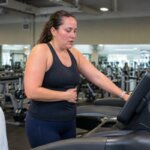
Feel nauseous after walking on treadmill sessions can feel strange because walking seems too easy to make your stomach react. The useful judgment is whether the sick feeling starts from treadmill motion, stopping too fast, indoor heat, meal timing, or a stronger warning pattern.
1. Feel Nauseous After Walking on Treadmill: The First Pattern to Check
The first thing to check is when the nausea starts. If you feel sick while you are still walking, the trigger is usually not the step-off transition alone. It is more likely tied to speed, incline, indoor heat, breathing, screens, hydration, food timing, or your stomach reacting to steady belt movement.
If the nausea hits right after the treadmill stops, the pattern changes. That is when the moving belt, sudden slowdown, blood flow shift, and visual adjustment can all meet at once. This is why someone may search “why do I feel sick after walking on the treadmill?” even after a moderate walk that did not feel like a hard workout.
2. When Treadmill Motion Turns Walking Into a Sick Feeling
A treadmill walk can create a visual-motion mismatch. Your legs are moving, the belt is moving under you, but the room is not moving forward with you. For some people, that mismatch creates mild treadmill motion sickness, especially when they stare at the console, look down at the belt, watch a moving screen, or scroll on a phone while walking.
This nausea often feels different from ordinary workout nausea. It may come with a weird floating feeling, slight disorientation, or a sense that your body is still adjusting to the machine. If the sick feeling is strongest when your visual focus feels unstable, motion mismatch is the first clue to test.
3. When Stopping Too Fast Makes the Nausea Hit Later
A fast stop can make treadmill nausea appear after the walk instead of during it. While you are walking, blood flow is being pushed toward your working legs. If you press stop suddenly and step off right away, your circulation, breathing, and balance system get very little time to shift down.
This is different from feeling nauseous during a hard workout. Here, the workout may feel manageable until the moment you stop. The clue is that the nausea appears with a “feel weird after walking on a treadmill” sensation, lightheadedness, or a sudden need to stand still.
If the nausea feels more like balance loss than stomach sickness, compare this next: Feel Dizzy After Getting Off Treadmill: Motion Adaptation or Warning Sign?
4. When Indoor Heat and Pace Make an Easy Walk Feel Harder
Treadmill walking can feel easier than outdoor walking, so people often underestimate heat and effort. A warm gym, poor airflow, a slight incline, or a speed that keeps you working harder than expected can make your stomach feel unsettled. You may not feel exhausted, but your body may still be dealing with rising temperature, sweat loss, and a steady heart-rate load.
This pattern is more likely if the nausea builds gradually near the end of the session. It may come with warmth in the face, thirst, dry mouth, headache, heavy legs, or a drained feeling. If nausea appears only when the treadmill room is hot, the incline is higher, or the walk runs longer than usual, indoor heat plus steady effort is the main pattern to reduce first.
If heat and pace also trigger nausea on stair machines, compare the next pattern in Feel Nauseous After StairMaster: Speed, Heat, or a Sign to Stop?
5. When Food, Water, or an Empty Stomach Changes the Reaction
Meal timing can make treadmill walking feel worse than expected. A heavy meal before walking can sit in your stomach while the belt rhythm keeps your body moving. Even without running or bouncing, that steady motion can make food feel heavy, sour, or sloshy.
The opposite pattern can also happen. If you walk on the treadmill after skipping food, waiting too long between meals, or drinking only coffee, nausea may come with shakiness, weakness, sweating, irritability, or a sudden energy drop. Nausea with weakness points more toward fuel timing than treadmill motion alone.
6. How to Get Rid of Treadmill Motion Sickness Next Time
The next treadmill session should be a controlled test. Keep your gaze forward on a stable point instead of looking down at the belt or scrolling. Avoid virtual trail videos, fast-moving screens, or anything that makes your eyes process extra motion while your body stays in one place.
Use a real cool-down instead of jumping from workout pace to stop. Spend the last 3–5 minutes lowering the speed until you are walking very easily. When the belt fully stops, hold the rails lightly and stand still for 30–60 seconds before stepping off. If the nausea is lower with a stable gaze, slower stop, and short pause before stepping down, treadmill transition and visual-motion adjustment were the main triggers.
7. When the Sick Feeling Means You Should Stop
Mild nausea after walking on a treadmill is judged by recovery speed and accompanying symptoms. A short wave that fades after cooling down, sipping water, and standing still is different from nausea that keeps building or appears with stronger symptoms.
Use this split:
- Nausea with a weird moving-floor feeling: slow the stop and stabilize your gaze.
- Nausea with heat, thirst, or headache: reduce speed, incline, room heat, and sweat loss.
- Nausea with shakiness or weakness: check food timing and low fuel.
- Nausea with fainting, chest pain, severe dizziness, confusion, irregular heartbeat, or repeated vomiting: stop the workout and seek medical help.
8. How to Adjust the Next Walk Without Avoiding the Treadmill
Do not judge the treadmill from one bad session. Change one variable at a time so you can find the actual trigger. Start with a lower speed, no incline, a cooler room, a steady forward gaze, and a planned cool-down. If the nausea disappears, the previous session was too much for your motion tolerance, heat tolerance, or transition speed. If nausea after walking on treadmill sessions only happens under one setup, that setup is the first thing to change.
If the nausea still happens during easy treadmill walking, look beyond the machine. Check whether it also happens with outdoor walking, after meals, when you are dehydrated, when you skip food, or when you are already tired. The goal is not just to “push through it.” The goal is to find the version of treadmill walking that lets your stomach, balance system, breathing, and circulation settle normally.
9. The Bottom Line
Feeling nauseous after walking on a treadmill usually comes from treadmill motion, stopping too fast, indoor heat, food timing, hydration, or low fuel.
- Sick while walking: check speed, incline, heat, screens, food, and hydration.
- Sick right after stopping: check fast stop, belt transition, and motion adjustment.
- Weird or still-moving feeling: stabilize your gaze and cool down more gradually.
- Nausea with shakiness or weakness: check fuel timing.
- Nausea with fainting, chest pain, severe dizziness, confusion, irregular heartbeat, or repeated vomiting: stop the workout and seek medical help.