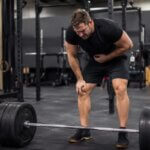
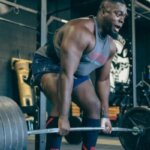
Feel dizzy after deadlifts can feel different from ordinary workout lightheadedness because it often hits right after you lock out, lower the bar, or release your brace. The useful judgment is whether it matches a short pressure-and-breathing reaction, a recovery problem, or a stop signal that should not be pushed through.
1. Feel Dizzy After Deadlifts: The Moment to Check First
The first detail to check is when the dizziness appears. Deadlifts create a hard pressure change because you brace before the pull, strain through the lift, then suddenly move from full-body tension to recovery once the bar returns to the floor. That release point is where many lifters feel a head rush, brief tunnel vision, or a “seeing stars” feeling for a few seconds.
If the dizziness happens only after a heavy set and clears quickly when you sit, kneel, or breathe normally, it usually points toward a short pressure-and-blood-flow reaction. If it starts during the pull, gets stronger with each rep, or makes you feel close to passing out before the bar is safely down, treat the set as finished. Deadlift dizziness is not something to test while you are still holding a loaded bar.
2. Why Lightheadedness After Deadlifts Often Starts at Lockout
The lockout is a key detail because the lift looks finished, but your body is still under load. You may still be holding your breath, squeezing your trunk, gripping hard, and standing tall with a heavy bar in your hands. If you release pressure too suddenly or stay rigid too long, the shift can make you feel lightheaded after deadlifts even if the pull itself felt strong.
This is different from feeling dizzy during a casual warm-up set. It is more common after heavy singles, high-percentage sets, slow grinders, or reps where your setup takes too long and the breath hold starts before the pull even begins. The longer you stay braced before and during the rep, the more noticeable the pressure swing can become at the top or right after the bar goes down.
3. The Breathing and Bracing Pattern Behind Deadlift Dizziness
A deadlift usually needs bracing, so the answer is not simply “never hold your breath.” A short brace helps keep your trunk stable under load. The problem starts when one breath hold becomes too long, too forceful, or too rushed across multiple reps. That can turn a normal brace into a pressure spike followed by a sudden drop when the effort ends.
A better pattern is to breathe in, brace, pull, reach lockout, control the bar down, and reset before the next rep. Some lifters also do better with a small controlled exhale near lockout, not a full collapse of air, because they still need trunk support while holding the bar. If your deadlift dizziness improves when you shorten the setup, avoid over-bracing, and reset between reps, breathing and pressure management were probably the main issue.
If the same pressure pattern shows up in fast hinge reps, compare Feel Dizzy After Kettlebell Swings: Head Motion, Breath-Holding, or Stopping Too Suddenly?
4. When a Blood Pressure Drop Fits the Pattern
Deadlifts use a large amount of muscle mass, and heavy pulls can create a sharp shift between strain and recovery. During the pull, your body is braced and working hard. After the bar returns to the floor, the pressure state changes quickly. That is why some lifters feel dizzy after heavy deadlifts right after they let go, stand upright, or take their first step away from the bar.
This pattern often feels brief and dramatic. You may see spots, feel your head go light, or need to take a knee for a few seconds. It is more likely when the set is near your limit, the gym is hot, your rest period was too short, or you came in under-recovered. If the feeling clears quickly and does not return during lighter work, the main issue is usually the heavy-set pressure shift rather than a general workout problem.
If squats trigger the same pressure-drop pattern, use this next comparison before changing your bracing: Feel Dizzy After Squats: Breathing, Blood Pressure, or Warning Sign?
5. How Cutting, Low Carbs, and Hydration Can Change the Judgment
If you are cutting, training fasted, eating very low carb, or relying on caffeine before heavy pulls, the same deadlift set has less margin for error. A lift that feels manageable on a well-fed day can feel strange when your fuel, fluids, sleep, and electrolytes are already low. This does not mean every dizzy deadlift is caused by food, but it changes how you judge the pattern.
The clue is how the rest of the session feels. If you also feel weak, shaky, unusually drained, cold-sweaty, or lightheaded during other movements, look beyond breathing. In that case, the deadlift may simply be the first lift intense enough to expose poor recovery, low blood sugar, or under-fueling. A small carb-containing meal before training, steady hydration earlier in the day, and longer rest before heavy sets are better tests than forcing another max attempt.
6. When Almost Fainting After Deadlifts Becomes a Stop Signal
A few seconds of lightheadedness after a hard deadlift is one thing. Almost fainting or feeling like passing out after deadlifts is different when you cannot stay upright, your vision narrows hard, you feel confused, or you need to grab equipment to avoid falling. The main danger in the gym is not only the dizziness itself. It is falling near a barbell, plates, racks, benches, or other lifters.
Use a simple rule during training: if you feel faint, get low before you try to walk it off. Take a knee, sit down, or lie back only if needed and safe. Do not stand over the bar, bend forward quickly, pace aggressively, or start another set while your head still feels unstable. Heavy deadlifts leave little room for pride once balance is affected.
7. How to Adjust Your Next Deadlift Session
Your next session should test the cause, not repeat the same setup. Reduce the load slightly, avoid max attempts, shorten the setup, and reset your breath between reps. If the dizziness disappears when the set is less rushed and the brace is better controlled, you have a useful answer. The issue was probably tied to breathing, pressure, and recovery timing.
If deadlift dizziness keeps happening despite lighter weight, better breathing, more rest, food, hydration, and a cooler training setup, stop treating it as a normal lifting quirk. Repeated dizziness from moderate or light deadlifts deserves medical advice, especially if it is new for you. Fainting, chest pain, irregular heartbeat, severe headache, unusual shortness of breath, or symptoms that continue after rest should be treated as a medical stop signal.
8. The Bottom Line
Feeling dizzy after deadlifts is usually judged by timing, intensity, and whether the feeling clears quickly once the bar is down.
- Right after a heavy set: check bracing, breath-holding, lockout, and the pressure drop after lowering the bar.
- With cutting, low carbs, poor sleep, heat, or dehydration: check recovery and fueling before blaming the lift alone.
- During the pull, with near-fainting, chest pain, irregular heartbeat, severe headache, or persistent symptoms: stop training and get medical advice.