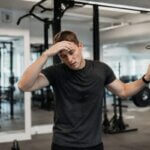
Feel nauseous after pull ups can feel strange because the exercise does not press directly into your stomach like crunches or sit-ups. The useful judgment is whether the sick feeling comes from hanging tension, breath-holding near the top, upper-core pressure, meal timing, or pushing too close to failure.
1. Feel Nauseous After Pull Ups When the Bar Changes the Clue
Feeling nauseous after pull ups is not the same as feeling nauseous after a general ab workout. Pull-ups do not repeatedly fold your stomach, but they do force your grip, shoulders, back, ribs, upper abs, and breathing to work together while your body is hanging from a bar.
That hanging position is the first clue. Many people search “why do pull ups make me feel nauseous” because the symptom feels more like a stomach problem than a strength problem. If nausea starts while you are pulling hard, fighting for the last rep, or holding your breath near the top, the trigger is usually strain and pressure control.
2. When Hanging Tension Starts Reaching Your Stomach
Pull-ups can make your stomach feel unsettled because hanging changes how your trunk works. Your abs are not the main mover, but they still brace to stop your body from swinging, arching, or collapsing through the ribs. If you tighten your stomach, grip hard, shrug your shoulders, and hold your breath at the same time, nausea can build even without direct stomach compression.
This is the key difference from ab-workout nausea. Crunches, sit-ups, and leg raises often make people feel sick by pressing or folding the midsection. Pull-up nausea is more often a whole-body tension problem: your upper abs brace, your ribs tighten, your breathing gets shallow, and the final reps turn into a pressure spike.
3. The Breathing Pattern That Makes the Top Rep Riskier
Pull-ups make breath-holding easy because the hardest part of the rep happens when your chin is moving toward the bar. Many people unconsciously lock their breath, clench their jaw, and pull harder through the neck and shoulders. That can make nausea after pull ups feel like a wave that arrives near the top of the rep or right after the set ends.
A better breathing pattern is simple but not always easy. Exhale during the pull, inhale during the lowering phase, and stop the set before the rep becomes a frozen breath-hold. If you cannot breathe through the movement, that set is already too hard for clean control.
If breath-holding also causes head pressure, check the headache pattern next in Headache After Pull Ups: Neck Strain, Breath-Hold, or Red Flag?
4. When Wide Grip, Chin-Ups, or Negatives Change the Feeling
Wide-grip pull-ups can feel worse because the shoulder and rib position becomes more demanding. If you flare wide, pull your chest up aggressively, or crane your neck toward the bar, your upper body may create more tension than your stomach tolerates well. The nausea may feel like it comes from the stomach, but the trigger can be the way your upper body is straining.
Chin-ups and negative pull-ups create different clues. If you feel nauseous after chin ups, compare whether the closer grip makes you brace harder through the front of your body or pull more aggressively with your arms. If slow negatives trigger the sick feeling, the issue is often continuous bracing, grip fatigue, and breath restriction during the long lowering phase.
5. When Meal Timing Makes the Set Turn Sour
Food timing still matters, even though pull-ups do not fold your stomach like crunches. A heavy meal before pull-ups can sit in the stomach while your body demands strong effort from your back, arms, grip, and core. When the set gets hard, digestion and intense pulling compete badly.
Drinking too much water right before the set can create a similar problem. The issue is not water itself; the issue is a full stomach combined with hanging, bracing, and hard effort. If nausea happens mainly when you train soon after eating, fix the timing before blaming the exercise.
6. When Too Much Effort Becomes the Main Trigger
Pull-ups are easy to push too far because the last rep often turns into a full-body fight. Your legs swing, your jaw tightens, your shoulders rise, your breathing stops, and your core braces harder than planned. That is when feeling sick after doing pull ups becomes more likely.
The warning pattern is not just muscle fatigue. It is nausea that rises near failure, gets worse when rest periods are short, or appears when you chase max reps. If the first few reps feel fine but the final grind makes your stomach turn, the problem is usually intensity management.
7. When Nausea Comes With Dizziness or a Head Rush
Nausea after pull-ups needs a different judgment when it comes with dizziness, lightheadedness, head pressure, or a near-faint feeling. That combination points beyond stomach upset alone. The timing matters: during the pull, while hanging, or right after stepping down from the bar.
This is especially important if the nausea appears after you drop from the bar and stand still. In that case, the transition from hanging effort to upright recovery may be part of the symptom. Step down under control, keep your knees soft, breathe for a few seconds, and avoid walking away immediately after a hard set.
If nausea comes with lightheadedness, make this your next check before repeating hard sets: Feel Dizzy After Pull Ups: Breathing, Neck Strain, or Blood Pressure?
8. How to Adjust the Next Pull-Up Session
Your next session should separate the trigger instead of repeating the same hard set. Start with fewer reps, use assistance if needed, and stop before your breathing locks. If nausea improves with cleaner reps, the issue was probably strain control, not the pull-up movement itself.
Then adjust one variable at a time. Narrow or moderate your grip, keep your neck neutral, reduce swinging, avoid max-effort sets, and rest long enough that each set starts with steady breathing. If negative pull-ups trigger nausea, shorten the negative or switch to assisted full reps.
Use this order when testing again:
- Stop 1–2 reps before your usual failure point.
- Keep the rep only if you can breathe through the pull and lowering phase.
- Use assistance when the final rep turns into a full-body grind.
- Avoid heavy meals or large drinks before bar work.
- End the set if nausea starts climbing instead of fading.
9. When the Sick Feeling Should Stop the Workout
Mild nausea that appears only after hard pull-up sets and settles with rest usually points to breathing, intensity, food timing, or bracing. That is still a sign to adjust the workout, not a reason to prove toughness. Pull-ups are demanding, but they should not repeatedly make you feel like vomiting.
Stop the workout if nausea comes with fainting, chest pain, severe dizziness, irregular heartbeat, unusual shortness of breath, confusion, severe headache, repeated vomiting, or severe abdominal pain. Also stop if nausea appears during easy assisted pull-ups that should not be difficult. That pattern is not a normal training signal.
10. The Bottom Line
Feeling nauseous after pull ups usually means the set created too much hanging tension, breath-holding, upper-core pressure, food-timing conflict, or max-effort strain for that session.
- Nausea during the pull usually points to breath-holding, bracing, and grinding reps.
- Nausea near the top of the rep often means the set is too close to failure.
- Nausea after stepping down may involve recovery speed, hydration, food timing, or total workout load.
- Nausea with dizziness or a head rush needs a separate pull-up dizziness check.
- Nausea with fainting, chest pain, severe dizziness, repeated vomiting, or severe abdominal pain is a stop signal.