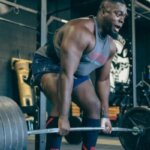
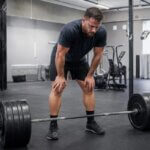
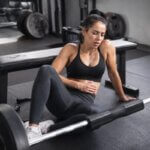
Feel nauseous after deadlifts can feel strange because the sick wave often hits after the bar is already down, not while you are doing a long cardio workout. The useful judgment is whether the nausea comes from deadlift-specific bracing, pressure release, heavy-set recovery, or a warning pattern that should end the session.
1. Feel Nauseous After Deadlifts and the First Moment to Check
Feeling nauseous after deadlifts is different from feeling sick after a general workout because the trigger often sits inside one short, intense pulling set. A deadlift asks you to brace hard, create full-body tension, pull from the floor, lock out, lower the bar, and then release that pressure quickly. That sequence can make your stomach feel tight, sour, hot, or suddenly unstable even when the rest of the workout feels normal.
The first detail to check is exactly when the nausea appears. If it shows up right after a heavy set, after a slow grinder, or after you drop tension and stand away from the bar, the trigger is probably brace pressure, breath control, or the sharp shift from strain to recovery. If nausea builds through the whole workout, the cause is less deadlift-specific and more about total training load, food timing, heat, hydration, or under-recovery.
2. Why Heavy Reps Can Trigger a Sick Wave
Heavy reps can make you feel nauseous because they compress a lot of effort into a few short pulls. Your grip is tight, your trunk is braced, your legs and back are producing force, and your breathing often becomes restricted during the hardest part of the lift. That does not feel like running, but your body can still treat it as a major system-wide effort.
This is why people search “why do deadlifts make me nauseous,” “feel sick after deadlifts,” or “why do I feel like throwing up after deadlifts” even when they are not doing high-rep cardio. The issue is not only fitness level. A heavy triple or five-rep set can create enough pressure, strain, and recovery demand to make your stomach react before your muscles fully fail.
3. When Bracing Helps the Lift but Upsets Your Stomach
A deadlift usually needs bracing, so the answer is not simply “never hold your breath.” A controlled brace helps your trunk stay stable while you pull. The problem starts when the brace becomes too long, too forceful, or too rushed across multiple reps.
Watch the setup before the pull. If you take a big breath, spend too long tightening up, hesitate over the bar, grind through the rep, and then rush into the next one without resetting, nausea can build fast. The sick feeling is more likely when your throat feels locked, your face gets red, your stomach feels compressed, or you finish the set needing several breaths before you can move normally.
A better pattern is to brace for the rep, pull with control, lower the bar safely, then reset before the next rep. On heavy sets, this may mean treating each rep like a separate pull instead of turning the whole set into one long pressure hold. If nausea improves when you shorten the setup and reset between reps, the main issue was pressure management, not the deadlift itself.
If static core pressure causes the same sick feeling, compare Feel Nauseous After Planks: The Timer Mistake That Makes It Worse
4. When the Lockout and Bar Drop Change the Signal
The lockout matters because the lift looks finished, but your body may still be under a lot of pressure. At the top, you may still be holding air, squeezing your trunk, gripping hard, and standing tall with a loaded bar. When you lower the bar and suddenly release tension, your stomach, breathing, and head can all react at once.
This pattern often feels like nausea after heavy deadlifts rather than nausea during deadlifts. You may feel fine while pulling, then feel sick once the bar hits the floor, once you stand up straight, or once you take the first step away. Do not bend over aggressively right after a hard set if you already feel sick; stay controlled, keep your breathing steady, and give yourself a few seconds before walking away from the bar.
5. When Reps, Rest, and Touch-and-Go Pulls Push Too Far
Deadlift nausea can come from heavy singles and triples, but it can also come from sets that are simply too dense. Touch-and-go pulls, high-rep sets, short rest periods, and repeated near-failure attempts can all make the sick feeling build before your pulling strength completely gives out. The bar may still move, but your breathing and stomach may already be past the useful limit.
This is the pattern behind searches like “feel like throwing up after heavy lifting” or “why do I feel like throwing up after a heavy lift.” The set is not just hard on the target muscles. It is hard on your whole system. If every rep after the first few becomes rushed, sloppy, or breathless, the nausea is telling you that the set structure is too aggressive for that day.
For nausea-prone deadlifts, fix rest before removing the lift. Heavy pulling often needs longer rest than smaller exercises because you are recovering from bracing, grip strain, full-body tension, and a large pressure shift. If nausea disappears when you rest longer and stop one rep before the grind, the problem was set design rather than the deadlift movement.
6. When Food, Water, and Pre-Workout Make Pulling Feel Worse
Meal timing matters with deadlifts because the lift adds trunk pressure to whatever is already sitting in your stomach. A large meal may feel fine during warm-ups, then feel heavy once the working sets begin. The same can happen if you drink a lot of water right before pulling and then brace hard around a full stomach.
Training completely empty, taking strong pre-workout, or using caffeine too close to heavy pulls can also make nausea arrive faster. If you only feel nauseous after deadlifts on underfed, overheated, or pre-workout-heavy days, test a smaller meal gap, a lower stimulant dose, and a longer warm-up before blaming the movement itself.
7. When Nausea Comes With Head Rush or Almost Fainting
Nausea alone after a brutal set often points to pressure, intensity, food timing, or not enough rest. The judgment changes when nausea comes with head rush, seeing spots, tunnel vision, severe dizziness, or feeling like you might faint. At that point, the issue is no longer only your stomach.
A brief sick wave that settles after you breathe, sit, or rest is different from almost passing out near a loaded bar. If you feel faint, get low safely before trying to walk it off. Take a knee or sit down away from the bar, and do not start another set while your balance still feels unstable.
If nausea comes with head rush or seeing spots, make this your next check: Feel Dizzy After Deadlifts: Breathing, Blood Pressure, or Warning Sign?
8. How to Adjust Your Next Deadlift Session
Your next session should test the trigger instead of repeating the same setup. Keep the deadlift, but reduce the variable most likely to be causing nausea. For many lifters, the first change should be longer rest, then better breath resets, then fewer reps or slightly less load if the sick feeling still appears.
Use this order before cutting deadlifts completely:
- Rest longer between heavy working sets.
- Reset your breath before each rep instead of rushing touch-and-go pulls.
- Stop one rep before the slow grinder starts.
- Reduce high-rep deadlift sets before reducing all pulling work.
- Avoid max attempts when you are underfed, overheated, or under-recovered.
- Keep food and water moderate before heavy pulls.
- Stay upright and breathe after the set instead of collapsing forward immediately.
The adjustment is working when the set still feels challenging, but your stomach no longer feels like it is reacting to a pressure crash. A hard deadlift should demand focus and recovery. It should not make nausea the main feature of the workout.
9. When the Sick Feeling Should End the Workout
Mild nausea after one unusually hard deadlift set can happen when load, bracing, rest, and food timing are poorly matched. It should begin easing as your breathing slows, your heart rate settles, and the pressure feeling fades. If it improves after a few minutes and does not return with lighter work, the session was probably too aggressive rather than dangerous.
Stop the workout if nausea keeps rising instead of settling. Also stop if it comes with fainting, chest pain, severe dizziness, confusion, severe headache, irregular heartbeat, unusual shortness of breath, repeated vomiting, severe abdominal pain, or weakness that does not improve. Those are not signs to push through for discipline.
Repeated nausea after deadlifts also deserves attention if it happens even with lighter weight, longer rest, better food timing, controlled bracing, and no pre-workout. A heavy pull can be uncomfortable, but feeling sick every time you deadlift should not become your normal training standard.
10. The Bottom Line
Feeling nauseous after deadlifts usually means the set created too much brace pressure, breath-holding, heavy-rep strain, short rest, or recovery demand for your body to handle smoothly that day.
- Nausea right after the bar is down often points to bracing, pressure release, or heavy-set recovery.
- Nausea during repeated reps often points to rushed breathing, touch-and-go pulling, or too little rest.
- Nausea with a full stomach often points to meal timing, water volume, or pre-workout use.
- Nausea that improves with longer rest, breath resets, and fewer grinder reps is usually a training-setup issue.
- Nausea with fainting, chest pain, severe dizziness, confusion, repeated vomiting, irregular heartbeat, or symptoms that do not settle is a stop signal.