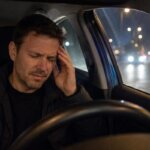
Waking up feeling drunk when you did not drink can feel strange. Your head may feel heavy, your thoughts may move slowly, your balance may feel slightly off, or you may feel like your brain is still stuck somewhere between sleep and waking.
In many cases, this is a stronger form of morning grogginess or sleep inertia. But if the feeling is intense, repeats often, lasts too long, or comes with confusion, slurred speech, faintness, low blood sugar symptoms, or balance problems, it should not be treated as “just being tired.” The key is to judge how long it lasts, how severe it feels, and whether it comes with warning signs.
1. Wake up feeling drunk but didn’t drink: what this feeling usually means
When people say they “wake up feeling drunk,” they usually do not mean actual alcohol intoxication. They mean the body is awake, but the brain has not fully switched into daytime alertness yet. The result can feel like grogginess, confusion, slow thinking, poor coordination, or a heavy, drugged sensation.
This can happen after deep sleep, poor sleep quality, irregular sleep timing, sleep deprivation, oversleeping, or waking at the wrong point in a sleep cycle. Your alarm may wake you while your brain is still in a deeper sleep stage, so the transition into wakefulness feels rough. That rough transition is often called sleep inertia.
Normal grogginess is usually mild and improves as you move, get light exposure, drink water, and start the day. The problem starts when the feeling is unusually strong, lasts longer than expected, or makes you feel genuinely confused or unsafe.
If the drunk feeling fades within 10–30 minutes and you can function normally after that, it is usually closer to normal morning grogginess. If it lasts much longer or feels disorienting, treat it as a stronger sleep inertia or sleep-quality issue.
2. Sleep drunkenness vs normal grogginess: the easiest way to tell the difference
Normal grogginess feels like being slow to start. You may not want to get out of bed, your eyes may feel heavy, and your thinking may feel dull for a short time. But you still know where you are, what day it is, and what you are doing.
Sleep drunkenness feels more intense. You may wake up confused, act automatically, answer questions oddly, feel clumsy, or struggle to think clearly. Some people describe it as feeling drugged, hungover, or mentally “not online” even though they slept.
The difference is not only the feeling itself. It is the level of confusion and recovery time. A normal slow morning clears fairly quickly. Sleep drunkenness tends to feel deeper, stranger, and harder to shake off.
Use this simple split:
- Normal grogginess: heavy eyes, slow start, clears after getting up
- Strong sleep inertia: foggy, clumsy, hard to think, takes longer to clear
- Concerning pattern: confusion, repeated episodes, unsafe behavior, faintness, or neurological symptoms
If your brain feels mostly clear but your eyes feel heavy, sticky, dry, or hard to open after waking, that is a slightly different pattern. In that case, Wake Up With Heavy Eyes but Not Tired: Is It Dry Eyes, Sleep Inertia, or Eye Strain? is the better related article to compare because heavy eyes can come from dryness, eye strain, or sleep inertia without the same level of mental confusion.
3. Why you may feel drunk in the morning without alcohol
The most common reason is poor timing between your sleep stage and your wake-up time. If you wake from deeper sleep, your brain needs more time to shift into alertness. This is why the feeling can be worse after short sleep, broken sleep, long naps, irregular schedules, or sleeping at unusual hours.
Sleep debt can make it stronger. When you have not slept enough for several nights, your brain may enter deeper recovery sleep. If you are forced awake during that recovery phase, the transition can feel heavy and disorienting. You may technically be awake, but your attention, reaction speed, and memory are not fully back yet.
Oversleeping can also trigger a similar feeling. Longer sleep is not always better if it disrupts your rhythm or leaves you waking from deep sleep at an awkward time. That is why some people feel worse after sleeping in than they do after a normal night.
Other common triggers include:
- Irregular bedtime and wake time
- Sleeping too late on weekends
- Poor sleep quality
- Sleep interruptions during the night
- Heavy evening screen use
- Late caffeine
- Alcohol from the previous night
- Dehydration
- Skipping meals or low blood sugar
- Certain medications
- Stress and nervous system overactivation
The important point is that this feeling can come from several causes. Do not jump straight to the rarest explanation first. Start with sleep timing, sleep quality, hydration, food timing, and medication changes.
4. When wake-up confusion is still normal
It is usually not alarming when the drunk feeling is brief, mild, and clearly linked to a poor sleep situation. For example, if you slept late, woke up after only a few hours, took a long nap, changed your schedule, or woke up suddenly from deep sleep, a short period of disorientation can happen.
It is also more understandable when the feeling improves quickly after light, movement, water, and a normal morning routine. Your brain may simply need time to complete the transition from sleep to wakefulness. That does not mean your sleep is perfect, but it does not automatically mean something dangerous is happening.
A normal pattern looks like this:
- You know where you are
- You can speak normally
- You can walk normally after a few minutes
- The feeling fades within 10–30 minutes
- It happens after obvious sleep disruption
- It does not keep happening every morning
Brief morning grogginess is usually normal when it has a clear trigger and clears quickly. Repeated, intense, or confusing episodes need a closer look.
5. When feeling drunk after waking is not normal
The feeling becomes more concerning when it is intense, repeated, or hard to explain. If you regularly wake up feeling drugged, disoriented, unstable, or unable to think clearly, that is no longer just a rough morning. It means your sleep quality, sleep timing, medication effect, blood sugar, hydration, or another health factor needs closer attention.
Pay attention to duration first. If the feeling lasts well beyond 30–60 minutes, that is a stronger signal. Normal grogginess should gradually lift. If you remain mentally foggy, unusually clumsy, or disconnected for a long stretch, the episode deserves more attention.
Also look at frequency. One strange morning after bad sleep is not the same as waking up this way several times a week. Repetition matters because it suggests a pattern, not a random bad wake-up.
Warning signs include:
- Sudden severe confusion that does not clear
- Confusion about where you are
- Slurred speech
- Fainting or near-fainting
- Severe dizziness
- One-sided weakness or numbness
- New vision changes
- Chest pain
- Severe headache
- Repeated episodes without a clear sleep trigger
- Feeling unsafe to drive or work after waking
If any neurological symptom appears, do not frame it as sleep inertia. That needs medical judgment.
6. Why broken sleep can make you wake up feeling drugged
Broken sleep can create a misleading situation. You may spend enough total time in bed, but your sleep may not be restorative. If you wake up repeatedly, wake too early, or drift in and out of sleep, your brain may never get a clean recovery cycle.
This is where the drunk feeling can overlap with early waking. Someone may wake after five hours, fail to fall back asleep properly, then finally get up feeling heavy, foggy, and strangely disconnected. The problem is not only the final wake-up moment. It is the whole night’s sleep pattern.
If the drunk feeling happens after waking too early and lying there unable to fall back asleep, compare the pattern with Wake Up After 5 Hours and Can’t Go Back to Sleep: Normal Sleep Cycle or Insomnia Sign? because early waking can turn into morning brain fog when sleep becomes fragmented or too short.
The key distinction is simple: if the drunk feeling appears mainly after broken sleep, short sleep, or early waking, the main issue is probably sleep continuity. If it appears even after consistent, good-quality sleep, look more closely at other triggers such as medication, blood sugar, dehydration, or a medical condition.
7. Could it be sleep deprivation, low blood sugar, or dehydration?
Yes, these are practical causes to check before assuming something rare. Sleep deprivation can make the brain slow, heavy, and poorly coordinated in the morning. You may not feel just tired; you may feel mentally dulled, almost hungover.
Low blood sugar can create shakiness, weakness, sweating, anxiety, dizziness, or a strange “off” feeling. If the drunk feeling improves after eating, or if it happens after long gaps without food, blood sugar may be part of the picture. This is especially important if you also feel shaky, faint, or unusually anxious.
Dehydration can also mimic a hungover feeling. Dry mouth, headache, dizziness, dark urine, and fatigue point more toward fluid balance than sleep inertia alone. This is common after sweating, low fluid intake, salty food, alcohol the previous day, or sleeping in a hot room.
A useful check is to look at what improves the feeling:
- Improves with light and movement: more likely sleep inertia
- Improves with food: consider blood sugar or long fasting
- Improves with water and electrolytes: consider dehydration
- Does not improve or comes with neurological symptoms: do not treat it as routine grogginess
If this drunk-like wake-up happens after naps with trembling, compare the nap-specific pattern: Feel Shaky After Waking Up From a Nap: Sleep Inertia or Warning Sign?
8. Could it be auto-brewery syndrome?
Auto-brewery syndrome is a rare condition where alcohol is produced inside the body through fermentation in the gut. It can make a person feel intoxicated without drinking, but it should not be the first explanation you assume after one strange morning. Because it sounds dramatic, it often appears in search results for “feeling drunk without drinking.”
But for most people who wake up feeling drunk, auto-brewery syndrome is not the first explanation to assume. Sleep inertia, poor sleep quality, sleep deprivation, low blood sugar, dehydration, medication effects, and vestibular issues are more common starting points.
Auto-brewery syndrome becomes more relevant if the drunk feeling happens beyond the morning, appears after carbohydrate-heavy meals, comes with repeated intoxication-like episodes, or creates real impairment despite no alcohol use. Even then, it requires proper medical testing. It should not be self-diagnosed from one symptom.
If the drunk feeling is limited to the first part of the morning and clears as you wake up, sleep-related causes are more likely than auto-brewery syndrome.
9. What to do the next time you wake up feeling drunk
Start by making the morning safer and clearer. Do not drive, operate equipment, or make important decisions while you feel disoriented. Give your brain time to fully wake up. Sit up, turn on bright light, drink water, and move slowly.
Then check the pattern instead of judging one morning in isolation. Ask what happened the night before. Did you sleep too little? Wake up several times? Use your phone in bed? Take medication late? Skip dinner? Drink alcohol? Sleep much longer than usual? These details usually explain more than the symptom itself.
Use this quick decision path:
- If it clears quickly and follows bad sleep: adjust sleep timing and morning light
- If it follows long naps or oversleeping: shorten naps and stabilize wake time
- If it comes with shakiness or weakness: check food timing and hydration
- If it repeats often: track sleep schedule, episodes, food, medication, and symptoms
- If it comes with serious warning signs: get medical help
For sleep-related cases, the most useful fixes are boring but effective. Keep a consistent wake time, get outdoor light early, avoid long late naps, reduce late-night scrolling, and avoid forcing your brain from high stimulation directly into sleep.
10. When to get medical help
Get medical help promptly if the drunk feeling comes with neurological symptoms, fainting, severe dizziness, chest pain, severe headache, new weakness, new vision changes, or slurred speech. Those symptoms should not be explained away as sleep inertia.
You should also consider a medical discussion if the episodes repeat, last a long time, affect driving or work safety, or appear after starting a new medication. Medication timing, sleep disorders, blood sugar issues, inner ear problems, and other conditions may need to be checked.
This is especially true when the feeling is new for you. A pattern you have had occasionally for years after poor sleep is different from a sudden new symptom that feels intense or unfamiliar.
This article is for general information only and should not replace medical advice when symptoms are severe, new, repeated, or unsafe.
11. Key Takeaways
Waking up feeling drunk when you did not drink is usually a sign that your brain has not fully transitioned out of sleep yet. It often fits sleep inertia, especially when it happens after poor sleep, deep sleep, broken sleep, oversleeping, or irregular sleep timing.
Core judgment:
- Clears within 10–30 minutes: usually normal grogginess or mild sleep inertia
- Feels intense, confusing, or lasts longer: stronger sleep inertia or poor sleep quality
- Happens with early waking or broken sleep: sleep continuity may be the main issue
- Comes with shakiness, faintness, or weakness: check food, hydration, and blood sugar patterns
- Comes with slurred speech, one-sided weakness, severe dizziness, chest pain, or vision changes: get medical help
Short, explainable morning grogginess is usually manageable. Repeated, intense, or neurologically strange episodes should not be ignored.