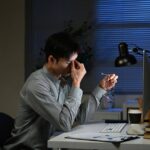
Wake up with heavy eyes but not tired can feel confusing because your body seems awake, but your eyelids still feel slow, puffy, dry, or hard to open. The key is whether the heaviness fades after blinking, light, and movement, or keeps returning with dryness, irritation, swelling, or screen-related eye strain.
1. Wake up with heavy eyes but not tired, is it normal?
Waking up with heavy eyes but not feeling tired can be normal when the feeling is mild and fades after blinking, washing your face, opening the curtains, or moving around for a few minutes. In that case, your body may be awake, but your eyes are still dealing with dryness, mild puffiness, or the normal shift from sleep to wakefulness.
It is less normal when the heaviness lasts for hours, happens every morning, affects one eye more than the other, or comes with pain, vision changes, severe redness, strong swelling, light sensitivity, or new eyelid drooping. Those signs move the issue away from ordinary morning heaviness and closer to something that should be checked.
Use this split:
Normal: both eyes feel heavy in the morning, but the feeling improves within 10–30 minutes after blinking, washing your face, using lubricating drops, or getting into brighter light.
Not normal: heavy eyes that last for hours, keep getting worse, affect one eye more, or come with pain, vision changes, severe redness, light sensitivity, strong swelling, or new eyelid drooping.
2. Heavy eyes in the morning, dryness or poor sleep?
Morning heavy eyes are often blamed on poor sleep, but the eyes themselves may be the real issue. Dry air, low humidity, sleeping under a fan, contact lens irritation, allergies, or incomplete eyelid closure during sleep can all leave the eye surface dry or irritated by morning. Your body can feel rested while your eyes feel rough.
Poor sleep can still play a role. If you slept too little, woke during deeper sleep, or had a restless night, your eyelids may feel heavy because your whole system has not fully shifted into alert mode. But poor sleep usually comes with broader signs: low energy, body tiredness, poor mood, slow thinking, or a strong urge to go back to bed.
A simple way to tell the difference is location. If your whole body feels tired, sleep quality is more likely involved. If your mind and body feel awake but your eyes feel dry, gritty, puffy, or hard to keep open, the problem is more likely eye-related.
3. Dry eyes after waking up
Dry eyes after waking up are one of the most common reasons your eyes feel heavy in the morning. Dryness does not always feel like a lack of moisture. It can feel like heaviness, grit, burning, pressure, stickiness, watering, or eyelids that do not open smoothly.
This is more likely if your bedroom air is dry, you sleep with a fan or air conditioner blowing toward you, you use screens for long hours, or you wear contact lenses. Some people also wake with dry eyes because their eyes do not stay fully closed during sleep or their tear film is not stable enough overnight.
The pattern is important. If the heaviness improves after blinking, washing your face, using artificial tears, or being awake for a while, dryness is a strong suspect. If it keeps happening every morning or comes with pain, redness, or vision changes, do not keep treating it as ordinary tired eyes.
4. Puffy eyelids vs heavy eyes after waking
Puffy eyelids can make your eyes feel heavy even when you are not sleepy. This is a physical weight or swelling feeling around the eyelids, not necessarily eye fatigue. It is more common in the morning because lying flat can allow fluid to settle around the eyes.
Puffiness is more likely after salty food, crying, allergies, poor sleep, sleeping flat, or irritation around the eyelids. It may improve after you sit upright, wash your face, use a cool compress, or move around. The eyes may look slightly swollen, even if your energy feels normal.
Heavy eyes from dryness or strain feel different. They are more likely to feel gritty, pressured, burning, sticky, or tired from focusing. If the main problem is visible swelling, treat it as puffiness. If the main problem is eye discomfort, dryness, or difficulty focusing, treat it as eye fatigue or irritation.
5. Morning heavy eyes after screen time the day before
Screen strain does not always disappear the moment you sleep. If you spent the previous day working on a computer, scrolling for hours, gaming, studying, or reading small text, your eyes may still feel tired the next morning. This is especially true when screen use continues late into the evening.
Long screen sessions reduce blinking and keep the focusing system active for hours. By the time you sleep, your eyes may already be dry and strained. When you wake up, the rest of your body may feel fine, but your eyes still feel overloaded.
A clear clue is the next morning pattern. Your eyes feel worse after late screens or long close-up work, then improve after moisture, blinking, daylight, and a little time away from the screen. In that case, the fix is not just more sleep. You need better eye breaks, a calmer evening screen routine, and less dry-air exposure overnight.
For daytime screen-related heaviness, see Eyes Feel Heavy but Not Sleepy: Is It Eye Strain, Dryness, or Fatigue?
6. Wake up with heavy eyes but clear mind
If your mind feels clear but your eyes feel heavy, treat it as an eye clue first. General fatigue usually affects your whole body: low energy, foggy thinking, low motivation, irritability, and a strong urge to sleep again. Eye-related heaviness stays more local.
This distinction helps you avoid chasing the wrong problem. If you keep assuming the issue is sleep, you may focus only on bedtime and wake time while ignoring dry eyes, screen strain, allergies, or vision strain.
Ask what improves first. If your energy improves only after more sleep, sleep debt may be involved. If your eyes improve after blinking, artificial tears, washing your face, light exposure, or stepping away from dry air, the problem is probably local eye irritation or strain.
7. Allergies and eyelid irritation in the morning
Allergies can make your eyes feel heavy in the morning even when you are not tired. Dust, pollen, pet dander, bedding, mold, skincare products, and makeup residue can irritate the eyes or eyelids while you sleep. By morning, the eyelids may feel swollen, itchy, watery, or weighed down.
Allergy-related heaviness usually comes with other clues. Your eyes may itch, water, look red, or feel puffy. You may also have sneezing, nasal congestion, or symptoms that change with season, room, bedding, or pet exposure. The heaviness may be worse in one environment and better in another.
Eyelid irritation can feel similar. If the eyelids feel crusty, sticky, sore, or inflamed in the morning, the issue may be around the eyelid margins rather than sleepiness. If this keeps happening, especially with redness, pain, or worsening symptoms, it is better to get an eye check than keep rubbing or guessing.
8. What to try first when you wake up with heavy eyes
Start with simple changes that match the most likely causes. The goal is to see whether your eyes respond to moisture, light, movement, and less irritation.
Try this first:
- Blink slowly several times before looking at your phone.
- Wash your face with cool water if your eyelids feel puffy.
- Use preservative-free artificial tears if your eyes feel dry, gritty, or sticky.
- Open curtains or get gentle light exposure after waking.
- Avoid rubbing your eyes, especially if allergies are possible.
- Check whether a fan, heater, or air conditioner is drying the room.
- Use a humidifier if the bedroom air is dry.
- Take screen breaks during the day, especially after long close-up work.
- Reduce late-night screen use if heavy eyes are worse the next morning.
- Keep screens slightly below eye level to reduce exposed eye surface.
The first test is response. If your eyes feel better within 10–30 minutes after blinking, light, washing, drops, or movement, the cause is more likely dryness, puffiness, sleep inertia, or mild irritation. If the heaviness lasts for hours, returns every morning, affects one eye more, or comes with pain or vision changes, schedule an eye exam instead of pushing through it.
If screen breaks help but dryness returns, check Eyes Feel Dry After Computer Screen: Blinking, Air, or Setup?
9. When morning heavy eyes need an eye check
Morning heavy eyes are usually harmless when they are mild and temporary. But certain symptoms should not be ignored, especially if they are new, one-sided, painful, or linked to vision changes.
Get professional eye care if you notice:
- New or sudden vision changes
- Eye pain
- Severe redness
- One eye feeling much heavier or different
- New eyelid drooping
- Strong swelling around the eye
- Light sensitivity
- Headache with vision symptoms
- Heavy eyes that keep worsening
- Symptoms that interfere with reading, driving, work, or daily tasks
These signs do not prove a serious condition. They mean the issue should not be treated as ordinary morning tiredness. If your eyes feel wrong every morning, an eye exam is more useful than repeatedly changing your sleep schedule.
10. How to tell what is causing heavy eyes in the morning
You can often narrow the cause by watching the pattern. Heavy eyes that fade quickly after waking are different from heavy eyes that last all morning. Puffy eyelids are different from gritty dry eyes. One-sided symptoms are different from both eyes feeling slightly tired.
A simple way to judge it:
Dryness-related: gritty, burning, sticky, watery, or worse in dry air.
Puffiness-related: visible swelling, worse right after waking, better after sitting up or a cool compress.
Screen-related: worse after heavy screen use the previous day or late-night scrolling.
Allergy-related: itchy, watery, red, puffy, seasonal, or worse around dust, pets, or bedding.
Sleep-related: heavy eyes plus whole-body tiredness, brain fog, low motivation, or strong urge to sleep again.
Medical check needed: pain, vision change, one-sided symptoms, severe redness, strong swelling, new drooping, light sensitivity, or worsening symptoms.
11. Wake up with heavy eyes but not tired, bottom line
Waking up with heavy eyes but not feeling tired usually means the problem is local to the eyes, not your whole body. Dry eyes, puffiness, allergies, irritation, screen strain, and the normal wake-up transition are more likely than simple sleepiness.
Bottom line:
- Heavy eyes that fade within 10–30 minutes are usually temporary morning heaviness.
- Dry, gritty, burning, watery, or sticky eyes point more toward dryness.
- Puffy eyelids point more toward fluid retention, allergies, or irritation.
- Heavy eyes after heavy screen use may be lingering eye strain.
- If your body feels awake but only your eyes feel heavy, do not treat it as a sleep problem first.
- Eye pain, vision changes, one-sided symptoms, severe redness, strong swelling, or new eyelid drooping should be checked by an eye care professional.