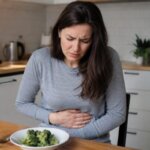
Stomach pain after eating chickpeas can happen even when the meal seems healthy, simple, or high in protein. The key is to judge whether chickpeas overloaded your fiber tolerance, triggered FODMAP gas, or caused a stronger reaction that should not be ignored.
1. Check the Timing Before Choosing One Cause
A digestive reaction after a high-fiber meal is easier to judge when you look at timing, serving size, preparation, and whether the same thing happens repeatedly. One uncomfortable meal does not always mean the food is unsafe for you.
If the discomfort builds slowly with pressure, bloating, or gas, the cause is usually different from sudden nausea, sharp cramps, vomiting, or diarrhea. This article separates ordinary fermentation pressure from signs that your gut may be reacting more strongly.
2. Why Chickpeas Can Feel Heavy in the Gut
Chickpeas can feel heavy because they contain both fiber and fermentable carbohydrates that are not fully digested before they reach gut bacteria. When bacteria ferment these carbohydrates, gas can build and create bloating, pressure, or stomach cramps after eating chickpeas.
This is why chickpeas make your stomach hurt even if they are cooked well and served in a balanced meal. The problem is often not one toxic ingredient, but the total gas load your gut has to handle at once.
3. When Fiber Load Is the First Suspect
Fiber load is a common reason chickpeas upset your stomach, especially if you do not usually eat beans, lentils, vegetables, or whole grains. A large serving of hummus, chickpea salad, roasted chickpeas, or curry can suddenly give your gut more fiber than it is used to processing.
This type of chickpea stomach ache usually feels like fullness, stretching, bloating, and mild-to-moderate cramping. It is more likely when the pain starts after a bigger portion and improves as gas moves or after using the bathroom.
4. When FODMAPs May Explain the Gas Pain
Chickpeas contain fermentable carbohydrates called oligosaccharides, which can be a problem for people with IBS, SIBO, or a sensitive gut. These carbohydrates can pull in water and ferment quickly, making abdominal pain after eating chickpeas feel stronger than normal digestion pressure.
This pattern is more likely if you also react to onions, garlic, wheat, beans, lentils, or certain fruits. If chickpeas cause stomach cramps even in modest portions, the issue may be FODMAP sensitivity rather than only fiber overload.
If other legumes create the same pressure pattern, compare your trigger with Lentils Upset My Stomach: Gas Pain or FODMAP Trigger?
5. How to Separate Gas Pressure From a Stronger Reaction
Gas pressure usually builds gradually and comes with bloating, burping, passing gas, or pain that shifts around the abdomen. It may feel uncomfortable, but it often settles after walking, waiting, or reducing the next serving.
A stronger reaction is more likely if you get repeated diarrhea, vomiting, hives, throat tightness, fever, severe cramps, or pain that does not improve. Do not keep testing chickpeas if these signs appear, especially if they happen after small amounts.
6. Why Hummus Can Trigger a Different Pattern
Hummus can cause stomach pain for more reasons than chickpeas alone because it often includes garlic, lemon juice, tahini, oil, spices, and sometimes large serving sizes. If hummus makes your stomach hurt but plain chickpeas do not, the add-ins may be part of the reaction.
Garlic can add a FODMAP load, oil can make the meal feel heavier, and acidic ingredients may bother people with reflux or upper stomach sensitivity. In that case, testing plain canned chickpeas separately gives a cleaner clue than judging from hummus alone.
7. Why Canned, Dried, and Roasted Chickpeas May Feel Different
Canned chickpeas may be easier for some people if they are rinsed well and eaten in a small portion. Rinsing can reduce some of the liquid around the beans, which may make the meal feel lighter for a sensitive gut.
Dried chickpeas can be harder if they are not soaked, drained, and cooked until very soft. Roasted chickpeas may also feel heavier because they are dry, dense, easy to overeat, and harder to break down than soft chickpeas.
8. When Skins and Texture May Be the Hidden Issue
The outer skins of chickpeas can add texture and fiber load, which may make them feel rougher than smoother legume foods. Some people tolerate blended chickpeas better than whole chickpeas because the texture is broken down before digestion starts.
This does not mean everyone needs to peel chickpeas, but texture can matter if your stomach pain follows whole beans more than hummus or smooth soups. If whole garbanzo beans upset your stomach, a smaller portion of very soft or blended chickpeas is a more useful test.
9. How to Test Chickpeas Without Making Symptoms Worse
Start with a small serving instead of a full bowl, especially if you have not eaten legumes regularly. Avoid combining chickpeas with other gas-producing foods like onion, garlic, wheat, cabbage, or large raw salads during the same test meal.
If you tolerate a small serving, increase slowly across different meals rather than jumping to a large portion. If even a few bites cause stomach ache after eating chickpeas or repeated garbanzo beans upset stomach, stop testing and consider whether IBS, FODMAP intolerance, SIBO, or allergy needs professional guidance.
If raw salads confuse the chickpea test, separate salad triggers next: Salad Gives Me Diarrhea? Check Timing, Dressing, and Safety
10. What to Remember Before Your Next Serving
- Stomach pain after eating chickpeas is often linked to fiber load, FODMAPs, gas pressure, portion size, or preparation.
- Gradual bloating, fullness, and moving pressure usually fit gas buildup more than a dangerous reaction.
- Repeated cramps, diarrhea, vomiting, hives, or pain after tiny portions should not be dismissed as normal digestion.
- Hummus can trigger symptoms because of garlic, oil, lemon, tahini, spices, or serving size, not only chickpeas.
- Canned rinsed chickpeas, very soft cooking, smaller servings, and slower increases may reduce discomfort.