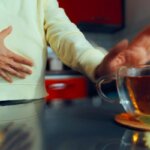
If green tea gives you diarrhea, the problem is usually not that green tea is bad for everyone. The better question is whether your loose stools happen because of caffeine, strong brewing, empty-stomach timing, matcha concentration, or a sensitive gut pattern.
1. Why Green Tea May Send You to the Bathroom Fast
If you get diarrhea soon after drinking green tea, you may wonder whether the tea itself is irritating your gut. In many cases, the real clue is not the drink alone but when you drank it, how strong it was, and how quickly your bowel reacted.
Green tea can make some people poop sooner because it contains caffeine, warm fluid, and plant compounds that may stimulate digestion. This is more likely after green tea before breakfast, a very strong brew, matcha, or several cups close together.
2. When Caffeine Becomes the Main Diarrhea Clue
Caffeine can speed up bowel movement in sensitive people, so green tea may feel like a mild laxative even though it usually has less caffeine than coffee. If you also react to coffee, black tea, energy drinks, or pre-workout, caffeine load and timing become the stronger suspects.
This pattern is especially likely when loose stools come with urgency, jitters, sweating, or a sudden need to use the bathroom. In that case, “green tea makes me poop” or “does green tea make you poop” may really mean your gut is responding to caffeine rather than green tea itself.
3. How Empty-Stomach Green Tea Changes the Pattern
Green tea on an empty stomach can feel harsher because there is less food to slow the drink down or buffer your stomach. For diarrhea, the important clue is whether the reaction happens mainly in the morning or whenever you have not eaten.
Try comparing the same amount of green tea after a meal instead of before food. If diarrhea after green tea disappears or becomes much milder, empty-stomach timing was probably a major part of the trigger.
4. Where Tannins Fit Without Blaming Them Too Quickly
Tannins give green tea its dry, bitter, astringent taste, and they can irritate a sensitive stomach when tea is over-steeped or taken without food. They are a stronger clue when diarrhea comes with nausea, sourness, stomach tightness, or a harsh bitter feeling.
For loose stools alone, caffeine and dose are usually easier to judge first than tannins. If the tea tastes bitter, over-brewed, or mouth-drying and your gut reacts soon after, try a lighter brew before deciding green tea itself causes diarrhea.
If sourness or throat burn appears too, check reflux triggers next: Tea Gives Me Heartburn? Check These 7 Triggers Before Quitting
5. Why Strong Brew, Hot Water, and Matcha Need Separate Checks
Strong green tea can affect your gut differently from a light cup because long steeping, extra tea bags, very hot water, and concentrated bottled tea can raise the overall load. That makes green tea diarrhea more likely even if you tolerate a normal serving.
Matcha can be a separate clue because you consume the powdered leaf rather than only an infusion. If matcha gives you diarrhea but regular brewed green tea does not, the issue may be concentration, serving size, or drinking it too quickly.
6. When IBS or a Sensitive Gut Makes Green Tea Riskier
If you already have IBS, frequent loose stools, anxiety-related gut urgency, or a sensitive stomach, green tea may trigger diarrhea more easily. Your gut may react to a smaller amount of caffeine or a stronger brew than someone else would notice.
This does not mean every episode is automatically caused by green tea. It means you should look for a repeatable pattern involving the same drink, similar timing, similar stool change, and improvement when you reduce caffeine, strength, or empty-stomach drinking.
7. How to Test Green Tea Without Guessing
Start with one change at a time so you can see what actually helps. Drink green tea after food, keep the serving small, steep it for less time, avoid boiling-hot water, and do not test matcha on the same day.
If loose stools stop after a weaker cup, strength was probably the main issue. If they stop only after reducing the amount or switching to decaf, caffeine was probably more important than tannins.
8. What to Do When Diarrhea Happens After Green Tea
If green tea already gave you diarrhea, do not keep drinking more to flush it out. Sip water, pause caffeine for the moment, and eat plain food if your stomach feels able to handle it.
For the next test, avoid stacking green tea with coffee, energy drinks, pre-workout, or other caffeine sources. If diarrhea keeps happening even with weak green tea after food, stop testing and compare whether other foods or drinks are also triggering loose stools.
9. When Nausea Means You Should Check a Different Pattern
If green tea causes diarrhea plus nausea, stomach tightness, sour burps, or a hollow sick feeling, the pattern may overlap with stomach irritation rather than bowel stimulation alone. That is where tannins, empty-stomach timing, reflux, and strong brewing become more important.
If nausea keeps appearing with diarrhea, use this as your next cause check: Feel Nauseous After Drinking Green Tea: Empty Stomach, Tannins, or Caffeine?
10. When Green Tea Diarrhea Needs More Caution
Green tea-related diarrhea is usually less concerning when it happens after a strong cup, matcha, several servings, or tea before food and improves when you change those factors. It becomes more concerning when diarrhea is severe, persistent, bloody, or dehydrating, or when it is not clearly tied to green tea.
Also be careful if the reaction starts after a new medication, supplement, illness, or major diet change. In that situation, do not assume green tea is the only cause just because it was the last thing you drank.
11. Core Conclusion
- More likely caffeine-related: urgent loose stools, jitters, or diarrhea after other caffeinated drinks.
- More likely timing-related: diarrhea mainly after green tea on an empty stomach.
- More likely strength-related: symptoms after bitter tea, over-steeping, hot water, matcha, or large servings.
- Test first: drink a smaller, weaker cup after food and avoid other caffeine that day.
- Get medical help if diarrhea is severe, bloody, persistent, dehydrating, or comes with worsening pain or fever.