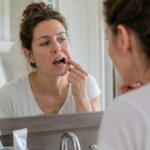
When lip balm makes your lips burn, the most useful clue is not how intense the sting feels but what happens in the next few minutes and hours. Timing, duration, repeat exposure, and visible changes can help you tell cracked skin from irritation or a possible contact allergy.
1. What the First Few Minutes Can Reveal
If your lips sting the moment you apply balm, the next few minutes can reveal more than the product label. Painful burning is not a normal healing effect, and what happens after you stop using the balm can help narrow down the cause.
Notice whether the discomfort disappears within minutes, continues after you remove the balm, or becomes stronger with each application. Redness, itching, peeling, swelling, small blisters, and irritation beyond the lip line matter more than the intensity of the initial sting alone.
2. How to Separate Broken Skin From Product Irritation
Severely chapped, cracked, or wind-burned lips may sting when almost anything touches the exposed skin. This is more likely when several otherwise gentle products cause brief discomfort only on visible cracks and the pain settles without additional redness or swelling.
Irritant contact cheilitis becomes more likely when one formula causes immediate burning and leaves your lips drier, redder, or more inflamed afterward. If a lip balm makes your lips sting every time you use it, stop using it even when the label describes the sensation as cooling, refreshing, or medicated.
3. When the Pattern Starts to Look Allergic
An allergic reaction to a lip balm is more likely when itching, scaling, redness, swelling, or small blisters return after the same product. With allergic contact cheilitis, those changes may become more noticeable over the following hours, especially after repeated exposure.
Do not deliberately reapply a suspected balm to see whether the reaction returns, particularly after swelling or blistering. Save the package or photograph the complete ingredient list so a dermatologist can compare possible allergens if the problem continues.
If earrings cause similar itching, redness, or swelling, another skin-contact reaction may help expose the shared trigger: Earrings Make My Ears Itch: Allergy, Irritation, or Infection?
4. Which Ingredients Deserve a Closer Look
Flavors and fragrances are frequent suspects when a flavored lip balm irritates your lips, particularly in formulas containing peppermint, cinnamon, citrus oils, or other aromatic extracts. Menthol, camphor, eucalyptus, exfoliating acids, lanolin, propolis, and some sunscreen ingredients can also bother sensitive or damaged lips.
Natural, botanical, and clean labels do not guarantee that a product will be gentle. Compare the complete ingredient lists of products that caused burning instead of assuming the brand name or price identifies the problem.
If mint or cinnamon also makes your mouth peel after brushing, your toothpaste may share the same trigger: Toothpaste Makes the Inside of My Mouth Peel: What to Check First
5. What to Do Over the Next 48 Hours
Stop using the suspected balm and temporarily pause flavored balms, lip plumpers, scrubs, lipsticks, glosses, and other optional lip products. Remove any residue gently without rubbing, exfoliating, licking, biting, or pulling away loose skin.
Apply a thin layer of plain petroleum jelly only if you have tolerated it before, and avoid testing several new products during the same period. Check whether new episodes of burning stop over the next 24 to 48 hours, although visible dryness and inflammation may take longer to improve.
6. When Burning Needs Medical Attention
Seek emergency help if lip swelling occurs with tongue or throat swelling, breathing difficulty, wheezing, faintness, widespread hives, or trouble swallowing. Get medical care promptly for rapidly worsening swelling, severe pain, spreading redness, pus, fever, or extensive blistering.
See a dermatologist when the reaction keeps returning, every lip product seems to cause pain, or your lips have not meaningfully improved within two to three weeks. A clinician can evaluate contact cheilitis, infection, cold sores, reactions to oral-care products, and other conditions, while patch testing may help identify a delayed contact allergy.
7. Bottom Line
- Stop using any lip balm that causes painful burning, persistent stinging, or worsening inflammation.
- Brief stinging on visible cracks may reflect damaged skin, while repeated redness and dryness suggest irritation.
- Delayed itching, scaling, swelling, or blistering after the same product may indicate allergic contact cheilitis.
- Pause flavored, fragranced, cooling, and medicated products while your lips recover.
- Get urgent help for breathing problems or tongue and throat swelling, and seek medical advice for persistent reactions.