Headache after squats can feel different from ordinary leg fatigue because the pain may hit at the bottom, during the drive up, or right after you rack the bar. The useful judgment is whether it follows a squat-specific bracing pattern, bar-and-neck tension pattern, or a sudden severe sign to stop training.
1. Headache After Squats When the Set Timing Gives the First Clue
Headache after squats should first be judged by when it starts. If the pain begins during the hardest part of the rep, especially when you come out of the bottom position, the trigger is often linked to bracing, breath-holding, neck tension, or grinding through a heavy rep.
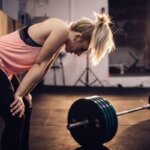
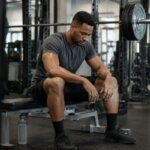
If the headache appears after you finish the set, the pattern changes. You may rack the bar, release your brace, stand still for a second, and then feel pulsing pressure in your head. That points more toward pressure release, breathing reset, and how your body recovers after a heavy lower-body effort.
2. Why Squats Can Build Head Pressure So Quickly
A squat is not just a leg exercise when the weight gets heavy. Your feet, hips, abdomen, ribs, back, shoulders, neck, and jaw all tense together to keep the bar stable. That full-body brace can make head pressure after squats feel stronger than the effort you expected from a lower-body movement.
This is where squats differ from machine-based leg work. You are not only pushing weight; you are supporting it on your body while controlling depth, balance, spinal position, and breathing. If your headache after squatting heavy weight appears only when the set becomes a grind, it may feel like an exertion headache during squats, but the useful clue is still the pressure pattern around the lift, not simple quad fatigue.
If machine leg work causes a similar pressure headache, compare the pattern here: Headache After Leg Press: Pressure Spike, Breath-Holding, or Red Flag?
3. When Bracing Turns Into a Breath-Holding Headache
Bracing is useful during squats, but staying locked in a long breath-hold can turn the set into a pressure spike. This is especially common on heavy back squats, high-rep sets, or final reps where you take a breath at the top and keep that same pressure through too much of the movement.
The clue is the feeling. If the headache feels pounding, tight, or like pressure behind the eyes, check whether your breathing disappears as the reps get harder. A short brace for one controlled rep is different from holding your breath through several slow reps while your face, throat, and jaw tighten.
4. When Bar Position and Neck Tension Change the Pattern
A headache after back squats can also come from how the bar sits across your upper body. High-bar squats may irritate the upper traps or make you tense the neck if the bar feels uncomfortable. Low-bar squats can create a different pattern because the shoulders, upper back, and neck work harder to keep the bar locked in place.
This matters most when the pain starts near the base of the skull, behind the ears, or around the temples. If your chin lifts, your jaw clenches, or your traps shrug up as the bar gets heavy, the headache may be partly a neck-and-bar-position signal. The squat itself may be fine, but your upper body may be turning the rep into a neck strain.
5. When Depth, Load, and Grinding Reps Change the Signal
A headache when doing squats is more concerning when it follows a predictable overload pattern. If it only happens on near-max attempts, high-rep sets, drop sets, or reps taken too close to failure, the main clue is training stress. Your legs may still be able to finish the set, but your breathing and pressure control may already be past the useful limit.
Depth can also change the signal. The deeper you go, the more bracing, balance, and torso control the rep may require. That does not mean deep squats are automatically the problem. It means you should compare the pattern across warm-up reps, controlled working sets, deep heavy reps, and final grinding reps.
6. When Headache and Dizziness Need Different Checks
A squat headache that stays as pain or pressure is one pattern. A squat headache that comes with lightheadedness, tunnel vision, weak legs, nausea, or a near-faint feeling is a different pattern. That does not automatically mean something dangerous is happening, but it changes the next decision because the issue is no longer only head pain.
This is especially important after a heavy set when you rack the bar and suddenly feel a head rush. If the main symptom becomes dizziness rather than pain, judge the blood pressure and breathing pattern separately before you train again.
If head pain turns into lightheadedness after the set, use this next check: Feel Dizzy After Squats: Breathing, Blood Pressure, or Warning Sign?
7. When a Squat Headache Should Stop the Workout
A mild headache after one hard squat set that fades with rest is different from a sudden, explosive headache during the lift. Stop the set immediately if the pain is severe, unusual, or feels like the worst headache you have had. Do not test another heavy rep just to see whether it happens again.
Use a stricter rule if the headache comes with fainting, confusion, vision changes, vomiting, chest pain, trouble speaking, one-sided weakness, numbness, neck stiffness, or symptoms that do not settle with rest. A new sudden headache during squats, especially one that appears with light weight or keeps repeating despite easier sets, should be treated as a stop signal and checked medically.
8. How to Test the Next Squat Session Without Repeating the Pattern
Your next squat session should be a controlled test, not a repeat of the same painful set, especially if it felt like a weightlifting headache after squats rather than ordinary workout discomfort. Reduce the load, stop well before failure, breathe deliberately between reps, keep your jaw relaxed, and avoid grinding through slow reps while your head pressure is already rising.
Use one change at a time so the signal is clear. If the headache disappears when the weight is lighter and your breathing stays controlled, bracing and breath-holding were the main clues. If it improves when the bar position feels better and your neck stays neutral, upper-body tension was part of the problem. If it still happens during easy warm-up sets, stop treating it as a normal lifting reaction.
9. The Bottom Line
A headache after squats is best judged by timing, bracing, breath control, bar position, and whether the pain stays mild and predictable or becomes sudden and severe.
- During the drive up: check bracing, breath-holding, grinding reps, and rising head pressure.
- At the base of the skull or temples: check bar position, neck tension, jaw clenching, and trap tightness.
- After racking the bar: check pressure release, breathing reset, and whether dizziness becomes the stronger symptom.
- On heavy or high-rep sets only: reduce load, reps, and failure work before blaming squats entirely.
- Sudden, severe, unusual, neurological, or repeated easy-set headaches: stop training and get medical guidance.