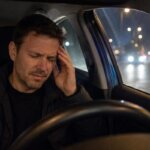
A headache after driving at night can leave you wondering whether bright headlights, tired eyes, your vision, or something else caused it. The most useful clues come from when the pain starts, what you notice while driving, and what happens after you leave the road.
1. Start With When the Headache Appears
If you get a headache after driving at night, it can be unsettling when the pain keeps showing up after the same kind of trip. It does not automatically mean something is wrong with your eyes, and the timing plus accompanying symptoms can show which explanation fits best.
Notice whether the pain begins after repeated oncoming headlights, only after a long drive, or together with squinting, halos, nausea, neck tension, or blurred vision. A headache that appears only during night driving suggests a different problem from one that occurs throughout the day, while sudden severe pain or new vision loss needs prompt medical attention.
2. Check What Happens When Bright Headlights Approach
Your eyes are adapted to a dark road at night, so an approaching headlight creates a sharp jump from darkness to intense brightness. If your headache builds after repeated exposure to headlights and settles after you stop driving or rest in softer light, glare may be contributing to the strain.
Notice whether headlights remain fairly crisp or spread into halos or starbursts that make the road harder to see. Rain, a hazy windshield, dirty glasses, scratched lenses, or an oily film inside the windshield can make the same headlights look much harsher.
3. Notice How Hard You Are Working to See the Road
Night driving can reveal mild vision problems that are easy to overlook during daylight because reduced light makes contrast and fine details harder to see. Squinting at road signs, leaning toward the windshield, repeatedly refocusing, or feeling pressure around your eyes and forehead can all signal extra visual effort.
An outdated prescription, uncorrected astigmatism, dry eyes, or contacts that become uncomfortable late in the day can make this pattern more noticeable. If you routinely struggle to read distant signs or see clearly after dark, an eye examination is more useful than simply assuming headlights are unusually bright.
4. Watch What Happens After the Drive Ends
Ordinary visual fatigue often improves once you stop concentrating on the road, close your eyes, or spend some time in comfortable lighting. If the headache keeps going for hours after you stop driving, especially with throbbing pain, migraine becomes more plausible than simple eye fatigue.
Nausea, pronounced sensitivity to light or sound, and wanting to lie somewhere dark can make migraine even more likely. Bright headlights and rapid changes between dark roads and intense lights can trigger symptoms in people who are already sensitive to light.
5. Compare Short Trips With Longer Night Drives
If a quick drive causes little trouble but longer night drives reliably leave your head aching, the length of the drive is an important clue. Prolonged concentration can increase visual fatigue while also making you tense your shoulders, push your head forward, or grip the steering wheel harder than you realize.
Pain linked to this pattern may appear around the temples, forehead, neck, or back of the head and may arrive with shoulder stiffness. Late-night fatigue can intensify both visual discomfort and muscle tension, so the same route may feel much harder when you are already tired.
If longer drives leave you mentally foggy as well as sore, that combination is worth a closer look: Feel Foggy After Driving: Highway Hypnosis, Eye Strain, or Cabin Air?
6. Change the Glare Around You and Compare the Result
Before blaming your eyes or the headlights alone, reduce avoidable glare during a few otherwise similar night drives. Clean both sides of the windshield and your glasses, use the rearview mirror’s dimming function, and lower an overly bright dashboard so your eyes are not repeatedly switching between a glowing cabin and a dark road.
If those changes repeatedly make the headache milder or delay it, glare and the effort of seeing in the dark are probably playing a role. If you still struggle to see clearly despite those changes, having your vision checked becomes more useful.
7. Pay Attention to Halos, Starbursts, and Blurred Signs
Halos or starbursts around lights can matter more than the brightness of the headlights themselves because they spread light across more of your visual field. If distant signs also look blurry or you need to squint to keep them clear, night driving may be exposing a vision issue that daytime conditions partly hide.
Occasional glare on a rainy or dirty windshield is different from new or worsening vision changes that appear every night. New prominent halos, persistent blurred vision, significant eye pain, or a noticeable decline in night vision deserves an eye examination rather than repeated attempts to simply tolerate it.
8. Know Which Changes Should Not Wait
A recurring headache that keeps returning despite cleaner glass, reduced glare, adequate rest, and an updated vision prescription deserves medical review. The same applies when headaches are becoming more frequent, more intense, or are beginning to happen outside night driving as well.
Stop driving and seek prompt medical attention for a sudden severe headache, new loss or major distortion of vision, severe eye pain, weakness, numbness, confusion, fainting, or other new neurological symptoms. Those changes should not be treated as routine eye strain from a difficult night drive.
9. Core Conclusion
- Headaches limited mainly to night driving make glare, visual strain, migraine sensitivity, and driving-related tension worth comparing.
- Squinting, blurry road signs, halos, or starbursts around headlights make a vision check especially useful.
- Nausea, strong light sensitivity, throbbing pain, or symptoms lasting well after the drive can fit migraine better than ordinary eye fatigue.
- Cleaning the windshield, reducing dashboard brightness, checking mirrors, resting your eyes, and comparing similar drives can reveal whether glare is contributing.
- Sudden severe headache, new vision loss, severe eye pain, or neurological symptoms requires prompt medical attention.