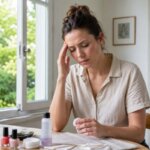
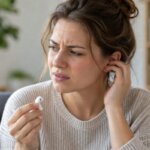
Feeling nauseous at the nail salon can happen when you breathe in product vapors, spend time in a poorly ventilated space, or experience a physical reaction during your appointment. Whether you felt sick before your manicure began, during acrylic application, or while removing old polish can help reveal what happened.
1. What to Check When Nausea Starts at the Nail Salon
If you suddenly feel nauseous while getting your nails done, stop the service before trying to work out whether the remover, acrylic products, or salon environment caused it. That feeling can be unsettling, but nausea alone does not mean chemical poisoning, and when your symptoms began offers a more useful clue than how strong the room smells.
Think back to whether you felt sick before any products were opened, immediately after a particular application, or gradually as your appointment continued, and notice any dizziness, coughing, sweating, or throat irritation. Move to fresh air, sit somewhere safe if you feel lightheaded, and do not resume the service while your symptoms are getting worse.
2. Which Nail Product Was Being Used When You Started Feeling Sick?
If nausea begins while your old manicure is being removed, check whether your technician is using solvent-soaked cotton, wraps, or an open remover container. These products can release vapors close to your hands and face, especially when stubborn gel or acrylic requires longer removal.
If the smell of acrylic nail products makes you feel nauseous as soon as application starts, pay attention to when the liquid is opened or mixed with the powder. Feeling fine during nail preparation but becoming sick during acrylic application is a more specific clue than simply noticing that the salon smells strongly of chemicals.
If removing your old manicure also leaves you with a headache, read Why Does Nail Polish Remover Give Me a Headache? Find the Real Trigger.
3. Did Your Symptoms Begin During Polish Application, Gel Curing, or Filing?
Regular nail polish and related products may release solvent vapors, particularly when several bottles are opened or multiple coats are applied. If you begin feeling nauseous during gel curing, consider the products used immediately beforehand rather than automatically assuming the UV or LED lamp itself is producing chemical fumes.
Filing introduces a different concern because it releases nail dust rather than the same vapors associated with liquid products. If nausea starts during heavy filing and you also experience coughing or nasal irritation, check whether your technician is using an effective dust extraction system near the working area.
4. Does the Nausea Follow You Around the Salon?
If fumes from nearby manicures make you feel sick before your own appointment begins, the shared salon air may be contributing to your symptoms. Feeling uncomfortable throughout the room is different from developing nausea only when a particular product is opened directly beside you.
Compare whether the same service has made you sick at other salons, particularly when fewer customers were receiving treatments at the same time. If you tolerate a manicure elsewhere but repeatedly become nauseous at one location, consider differences in ventilation, workstation layout, and the number of products being used rather than assuming every nail treatment will affect you equally.
If other strong scents also make you nauseous, that pattern may reveal more. Air Freshener Makes Me Nauseous: What Your Symptoms Reveal
5. What Should You Look for in the Salon’s Ventilation?
A nail salon may feel cool because the air conditioning is running without necessarily having effective ventilation for chemical vapors. A desk fan that blows air around the workstation is also different from an extraction system designed to capture contaminants and remove them.
Look for ventilated manicure tables, extraction equipment positioned close to the work area, and product containers that remain closed when not in use. You can also ask whether the salon brings in outdoor air, since a pleasant fragrance or the absence of an obvious chemical smell does not establish that the air is free from potentially harmful vapors.
6. What If You Feel Sick Before Any Products Are Opened?
Not every episode of nausea during a manicure begins with chemical exposure, even when you associate the discomfort with visiting a nail salon. Sitting in a warm room after skipping breakfast, drinking too little water, or becoming tense during uncomfortable cuticle work can also contribute to feeling sick.
Pay particular attention if nausea is accompanied by sudden warmth, cold sweating, muffled hearing, fading vision, or a feeling that you might pass out. These can be warning signs of an impending fainting episode, so stop the appointment and lie down in a safe position with your legs raised if possible, rather than attempting to walk outside alone while you are struggling to remain upright.
7. How Should You Decide Whether to Finish the Manicure or Leave?
If your stomach settles after stepping outside, something about the appointment or surrounding environment may have contributed to the reaction, but improvement does not identify the exact cause. Do not repeatedly return to the workstation to test whether the nausea comes back, especially if you also experienced dizziness, breathing discomfort, or significant weakness.
If you feel completely well after leaving and have no concerning symptoms, you can discuss whether a different service or another appointment would be appropriate. However, feeling better after a short break is not a reason to continue the same suspected exposure, particularly when nothing about the workstation or products being used has changed.
8. What Can You Change Before Booking Another Nail Appointment?
Before returning, ask whether acrylic, gel, and regular polish services are performed in separate areas and whether the workstation has effective ventilation. If you repeatedly feel nauseous during acrylic application but tolerate simpler manicures, choosing a service without acrylic liquid may help you avoid that particular exposure, although it cannot confirm what caused your symptoms.
If your discomfort begins whenever you enter a busy salon, changing your polish brand alone may not solve the problem because other customers’ treatments still affect the shared air. Consider a less crowded appointment time or a salon with source-capture ventilation, and do not rely on a surgical mask or ordinary N95 to protect you from chemical vapors because these masks are not designed to remove gases and vapors.
9. When Should You Seek Medical Help for Nail Salon Nausea?
Seek emergency medical help if nausea comes with serious breathing difficulty, chest pain, collapse, loss of consciousness, confusion, seizures, swelling of the tongue or throat, or sudden neurological symptoms such as difficulty speaking. Persistent vomiting, worsening headaches, significant dizziness, wheezing, or nausea that does not settle after leaving the salon also warrants prompt medical advice.
If you still feel sick after getting your nails done, note whether the nausea is improving or becoming worse, and record which treatment was underway when it began. Tell your healthcare provider about the products involved, your accompanying symptoms, and whether similar episodes have occurred before; if you suspect harmful chemical exposure, contact your local poison control service for advice based on the circumstances.
10. Bottom Line
- Feeling nauseous at the nail salon does not automatically mean chemical poisoning; when your symptoms started and which treatment was underway provide more useful clues.
- Nausea beginning during polish removal, acrylic application, or filing deserves a closer look at the specific products and working conditions involved.
- Feeling sick throughout the salon, even before your own manicure begins, makes the shared indoor environment and ventilation worth checking.
- Stop the service and move to fresh air when appropriate, rather than trying to finish your manicure while symptoms persist or become worse.
- Breathing difficulty, fainting, chest pain, confusion, serious neurological symptoms, or persistent worsening illness requires medical attention rather than another attempt to complete the appointment.