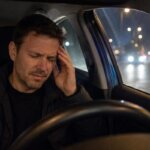
Feel dizzy after getting a haircut can feel strange because the haircut itself seems too minor to cause a body reaction. The real clue is usually when it happened: during hair washing, while standing up, after neck bending, or after an anxiety spike.
1. Feel Dizzy After Getting a Haircut: The Moment That Matters Most
The first thing to check is not the haircut style, the scissors, or the hair length. It is the exact moment the dizziness started. A weird feeling after a haircut can come from several different triggers, and they can feel similar in the moment.
If you felt dizzy while your scalp was being touched, brushed, washed, or pulled, the trigger may be a nervous-system response. If it happened when you stood up from the chair, it may be related to a temporary blood pressure drop. If it started after leaning your head back at the wash station, neck position matters more.
This is why “dizzy after haircut” should not be treated as one single cause. A brief lightheaded spell that fades after sitting is different from dizziness with neck pain, weakness, numbness, vision changes, or trouble speaking. The timing decides which explanation fits best.
2. The Salon Moments That Can Trigger Lightheadedness
A haircut appointment often combines several small triggers at once. You may sit still for a while, tilt your head, have your scalp stimulated, skip food or water, then stand up quickly. Any one of these can be enough to make you feel lightheaded after a haircut.
Some people also tense their shoulders, hold their breath, or feel socially uncomfortable during the appointment. That does not mean the reaction is “just in your head.” Anxiety, posture, and blood pressure can overlap, especially when your body is already tired, dehydrated, or overstimulated.
If the dizziness passed quickly after sitting down, drinking water, or breathing slowly, it usually points toward a temporary body response. If it kept returning, felt unusually strong, or came with other symptoms, the situation deserves more attention.
3. When the Salon Sink and Neck Position Become Important
The wash station is one of the most important details. Leaning your neck backward over a sink can compress or strain the neck area, especially if the angle is awkward or held for too long. For many people, this causes only mild discomfort, but for others it can trigger dizziness, nausea, pressure, or a weird floating feeling.
Neck-related dizziness becomes more concerning when it appears with sharp neck pain, headache, vision changes, facial numbness, arm weakness, or trouble speaking. Those symptoms are not normal post-haircut discomfort. They need urgent medical evaluation, especially if they start suddenly after the neck was bent backward.
If your dizziness mainly happens after salon washing, ask for neck support next time or skip the backward sink position. A forward wash, shorter wash time, or better head support may prevent the same reaction.
For a similar body-position pattern, compare it with Feel Dizzy After a Massage: Blood Pressure, Relaxation, or Vertigo?
4. When Feeling Weird After a Haircut Has an Anxiety Pattern
Feeling weird after a haircut can also come from the emotional side of the appointment. A haircut changes your appearance quickly, and if the result feels wrong, your body may react before your thoughts fully catch up. That reaction can include dizziness, nausea, hot flashes, shaky legs, or a sudden unreal feeling.
This is more likely when the dizziness started after seeing the final result, not during the haircut or wash. Hyperventilation can also make you feel lightheaded, hear muffled sounds, or feel detached for a few minutes. In that case, the main trigger is the stress response, not the hair itself.
The key difference is whether the symptoms calm down as your breathing and panic settle. If they do, anxiety was probably part of the reaction. If dizziness continues even after you feel emotionally calm, look again at posture, hydration, blood pressure, or neck symptoms.
5. When Hair-Grooming Syncope Fits the Pattern
Hair-grooming syncope is a fainting or near-fainting response linked to hair-related stimulation. It is more commonly discussed in children and teens, but the basic idea can still explain why some people feel faint during brushing, washing, cutting, or scalp handling. You may not fully faint; you might only feel weak, nauseous, sweaty, or suddenly strange.
The pattern fits better when the dizzy feeling starts during direct hair or scalp handling, not long after the appointment is over. Scalp stimulation, discomfort, standing, heat, dehydration, or anxiety can all push the nervous system toward a faint-like response. This can make a normal salon appointment feel surprisingly intense.
This does not mean every haircut-related dizzy spell is dangerous. It means the trigger can be real even when the appointment seems ordinary. The more useful question is whether the reaction was brief and explainable, or whether it came with symptoms that do not fit a simple faint-like response.
If the same faint-like feeling happens during bathroom routines, compare it with Feel Dizzy After Brushing Teeth: Gag Reflex or Vertigo?
6. Warning Signs After a Haircut That Need a Different Response
Most mild dizziness after a haircut settles with rest. The line changes when dizziness appears after neck extension or comes with neurological symptoms instead of fading like a simple lightheaded spell.
Get medical help urgently if dizziness comes with:
- severe or sudden neck pain
- one-sided weakness or numbness
- slurred speech or trouble finding words
- vision loss, double vision, or facial drooping
- severe headache that feels unusual
- fainting that does not quickly resolve
- chest pain, shortness of breath, or an irregular heartbeat
- dizziness that keeps worsening instead of fading
The strongest warning pattern is dizziness after backward neck extension plus neurological symptoms. That combination should not be watched casually at home.
7. What to Do If You Feel Dizzy at the Salon
If dizziness starts during the appointment, stop trying to act normal. Sit still, tell the stylist you feel lightheaded, and avoid standing up quickly. Lowering your head slightly or lying back safely can help blood flow recover.
Sip water if you can, loosen tight clothing around the neck, and breathe slowly. If you suspect anxiety, focus on longer exhales rather than forcing deep breaths. If the room feels hot or crowded, ask for a short break before continuing.
Use a simple rule: brief dizziness that improves with sitting is usually manageable, but dizziness with neck pain, neurological symptoms, fainting, or symptoms that do not settle needs medical care. For your next appointment, avoid long backward neck bending, eat beforehand, stay hydrated, and stand up slowly.
8. Final Takeaway
Feeling dizzy or weird after a haircut is usually about the appointment process, not the hair itself.
- If it happened after standing up, think blood pressure, dehydration, or low food intake.
- If it happened at the wash station, check the neck angle and any neck-related symptoms.
- If it happened after seeing the result, anxiety or hyperventilation may be part of it.
- If dizziness comes with neck pain, weakness, numbness, speech trouble, or vision changes, treat it as urgent.