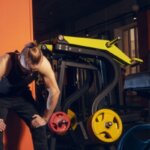
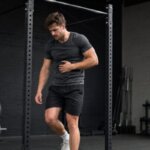
If you feel nauseous after an ab workout, it can be confusing because core training may look simple compared with running, leg day, or heavy lifting. The useful judgment is whether the sick feeling comes from abdominal pressure, breath-holding, meal timing, or pushing core work past your current control level.
1. Feel Nauseous After Ab Workout and the First Pattern to Check
Feeling nauseous after an ab workout is not always the same as feeling nauseous after exercise in general. Core exercises place direct pressure around your stomach, diaphragm, and abdominal wall, so the sick feeling can appear even when your heart rate is not extremely high. That is why a short set of crunches, sit-ups, planks, or leg raises can sometimes feel worse on your stomach than a longer but steadier workout.
The first pattern to check is when the nausea appears. If it starts during crunches, sit-ups, hollow holds, or leg raises, the trigger is often pressure, bracing, breath-holding, or too much abdominal tension. If it appears after the whole workout, especially with sweating, weakness, overheating, or shaky fatigue, the cause may be more general workout strain rather than the ab exercises alone.
A simple split helps: nausea that rises during the core movement points toward pressure and breathing; nausea that rises after the full session points more toward intensity, hydration, food timing, or recovery. This distinction matters because ab-workout nausea is often caused by the way the exercise compresses your midsection, not just by how hard you trained overall.
If nausea also happens after non-core workouts, use Feel Nauseous After Exercise: Intensity, Dehydration, or Blood Sugar? before blaming abs alone.
2. When Core Pressure Starts Affecting Your Stomach
Ab workouts can make you feel sick because many core movements compress the abdomen while asking you to brace at the same time. Sit-ups, crunches, reverse crunches, leg raises, and bicycle crunches all fold or tighten the front of the body. If food, fluid, gas, or reflux is already present, that pressure can make the stomach feel squeezed, sour, or unsettled.
This is different from the nausea that comes after running or HIIT. Running often adds bouncing, heat, and full-body fatigue. Ab work adds compression, bracing, and pressure around the stomach, which is why the sick feeling may show up even in a quiet room with no heavy sweating.
The clearest sign is position-specific nausea. If you feel fine during standing exercises but nauseous when your torso curls, your legs lift, or your stomach tightens hard, the issue is probably not your whole fitness level. It is more likely the way that specific core position presses on your stomach and changes your breathing mechanics.
3. Why Sit-Ups, Crunches, Leg Raises, and Planks Can Feel Different
Sit-ups and crunches can trigger nausea because they repeatedly fold the torso while tightening the abdominal wall. That combination can increase pressure around the stomach, especially if you ate too recently or drank a lot of water right before training. The more rushed the reps are, the more likely the movement starts to feel like stomach compression instead of controlled core work.
Leg raises can feel different because they demand strong lower-abdominal tension while the pelvis and hip flexors work hard. Many people hold their breath without noticing during the hardest part of the lift. When that happens, the movement becomes a mix of abdominal pressure, breath-holding, and effort spike, which can make nausea rise quickly.
Planks can also make you feel nauseous, but for a slightly different reason. A plank is still, but it can create long, continuous bracing. If you grip your abs, clench your jaw, hold your breath, and try to survive the timer, your body may react as if it is under more strain than the exercise appears to show.
4. Breathing and Bracing During Core Work
Breathing is one of the biggest reasons people feel sick during ab exercises. Core training naturally makes people brace, but bracing should not turn into holding your breath through the whole rep. When you lock your breath, tighten your throat, and squeeze your abdomen at the same time, pressure builds fast.
The sign is direct: if you cannot breathe smoothly during the movement, that version is too hard for that set. This does not mean your abs are weak in a bad way. It means the exercise is currently asking for more control than your breathing can support.
For crunches and sit-ups, exhale during the effort and avoid yanking yourself upward. For planks, use shorter holds and keep your breathing quiet but continuous. For leg raises, reduce the range or bend the knees if the lower part of the movement makes you brace too hard.
5. When Meal Timing Turns Ab Training Into Nausea
Meal timing matters more for ab workouts than many people expect. A heavy meal before training can sit in the stomach while core movements press directly into that area. Even a workout that feels moderate can trigger nausea if you start curling, twisting, or lifting your legs while digestion is still active.
Drinking too much water right before ab work can create a similar problem. The issue is not hydration itself. The problem is a full, sloshing stomach combined with repeated abdominal compression, which is why slow sipping usually works better than drinking a large amount at once. The difference with ab training is that the movement presses directly into the stomach instead of only raising overall exercise intensity.
A practical rule is to avoid hard ab training immediately after a full meal. If you need fuel, choose something small and easy to digest, then give your stomach time before sit-ups, crunches, or leg raises. If nausea reliably happens only when you train abs after eating, fix timing before changing the whole routine.
6. When Intensity Pushes Core Work Past Control
Ab workouts can become intense quickly because core muscles fatigue before you expect them to. High-rep crunch circuits, long plank challenges, repeated leg raises, and short rest periods can push the body into a stress response. In ab training, intensity is not only about heart rate; it is also about whether you can keep breathing, bracing, and moving without your stomach tightening into a pressure spike.
The problem often appears near the end of a set or circuit. You may start with normal control, then your breathing gets tighter, your form gets rougher, your neck and hip flexors take over, and the sick feeling builds. That pattern means the workout has passed your current control limit.
The fix is not always to quit ab training. It is to stop before the nausea spike. Use fewer reps, longer rest periods, slower movement, and easier variations such as dead bugs, bird dogs, heel taps, bent-knee leg raises, or shorter planks.
7. When Core Stretching Creates a Similar Sick Feeling
Some people notice nausea not during crunches, but during core stretches, deep backbends, cobra-like positions, or intense abdominal opening after training. This is a different pattern. Instead of folding and compressing the stomach, these positions may stretch the front of the body, change breathing, and create a stronger nervous-system response.
The key is whether the nausea appears during a held position. If it rises while you are forcing a deep stretch, arching too far, holding your breath, or coming out of the position too quickly, treat it as a stretch-intensity problem. Core stretching should feel controlled, not like a wave of sickness, dizziness, or panic-like discomfort.
Do not repeat the same stretch immediately just to test it. Reduce the range, shorten the hold, breathe normally, and come out slowly. If nausea keeps returning with deep core stretches, twists, or neck-related positions, that deserves more caution than ordinary muscle tightness.
If nausea happens during deep holds instead of ab reps, compare it with Feel Nauseous After Stretching: Vagus, Breathing, or Too Deep? next.
8. How to Adjust the Workout Without Losing Core Progress
Start by changing the exercise before assuming you cannot train abs. If sit-ups make you nauseous, switch to dead bugs, bird dogs, heel taps, side planks, or controlled pelvic tilts. These options still train the core but usually create less direct stomach compression.
Next, change the dose. Reduce reps before form collapses, rest longer between sets, and avoid taking every ab movement to failure. A core workout should challenge control, not turn into breath-holding, neck pulling, rushed reps, or a fight to survive the last few seconds.
Use this adjustment order:
- First, slow the movement and breathe through each rep.
- Second, reduce the range or choose an easier variation.
- Third, increase rest time between sets.
- Fourth, avoid heavy meals and large drinks right before ab work.
- Fifth, stop the set before nausea starts climbing.
The adjustment is working when your abs still feel challenged, but your stomach no longer feels squeezed, sour, or unstable.
9. Warning Signs That Change the Meaning
Most ab-workout nausea is manageable when it is mild, brief, and clearly linked to pressure, breath-holding, meal timing, or overdoing a set. It should settle after you stop, sit upright, breathe normally, and let your body calm down. That pattern is different from nausea that keeps worsening or comes with stronger symptoms.
Stop the workout if nausea comes with faintness, severe dizziness, chest pain, unusual shortness of breath, confusion, repeated vomiting, severe abdominal pain, or weakness that does not settle. Also stop if the nausea appears suddenly and intensely during a movement that usually feels easy. Those are not signs to push through for discipline.
Pay attention if nausea happens every time you train abs, even with light exercises and good meal timing. That pattern needs a closer look at reflux, food timing, breathing habits, hydration, blood pressure, medications, and overall training load. Repeated nausea is not a normal requirement for building a stronger core.
The Bottom Line
Feeling nauseous after an ab workout usually means your core routine created too much abdominal pressure, breath-holding, food-timing conflict, or intensity for that session.
- Nausea during crunches, sit-ups, or leg raises often points to abdominal pressure and breathing.
- Nausea after the whole workout may point to general intensity, hydration, heat, or low fuel.
- Nausea after eating usually means the timing or exercise choice needs to change.
- Nausea during core stretches should be judged separately from nausea during ab reps.
- Nausea with faintness, chest pain, severe dizziness, repeated vomiting, or severe abdominal pain is a stop signal.