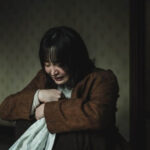
Feel dizzy after crying can feel unsettling because the crying may be over, but your head still feels light, floaty, weak, or unsteady. The key is to judge whether the dizziness comes from breathing changes, standing instability, low body fuel, or a warning pattern that does not settle normally.
1. Feel Dizzy After Crying and the First Signal to Check
Crying changes more than your mood. During hard crying or sobbing, your breathing can become fast, shallow, uneven, or held in short bursts. That breathing shift can make you feel lightheaded, loopy, or slightly detached from your surroundings, especially if you keep trying to “catch” your breath.
Dizziness after crying is mainly about balance, faintness, breathing rhythm, and whether standing up feels safe. That is different from feeling emotionally exhausted, where the main issue is heaviness or shutdown. It is also different from feeling shaky, where trembling, chills, or adrenaline usually stand out more than balance.
The first signal to check is the direction of recovery. If the dizziness starts during intense crying and eases once you sit down, breathe more quietly, drink water, or eat something light, it usually fits a temporary post-crying body response. If it gets stronger, makes you feel close to fainting, or keeps returning after small emotional triggers, the pattern needs more attention.
2. When Lightheadedness After Crying Points to Breathing
Lightheadedness after crying often starts when your breathing becomes irregular. You may gasp between sobs, breathe through your mouth, hold your breath while trying not to cry, or take repeated upper-chest breaths. This can make your head feel airy, floaty, or unstable even after the emotional peak has passed.
This is why someone may search for dizzy after sobbing, dizzy after crying hard, or why do I feel dizzy after crying even when the room is not spinning. A breathing-related dizzy spell can also come with chest tightness, a lump in the throat, tingling around the mouth, shaky hands, or the feeling that a full breath never feels satisfying.
The better reset is smaller and quieter. Sit down, keep your shoulders relaxed, and let the exhale become slightly longer than the inhale without forcing air in. Breathing-related dizziness usually improves when your breathing becomes slower, softer, and less urgent.
If forced deep breaths make dizziness worse, compare that breathing pattern with Feel Dizzy After Deep Breathing: CO2, Anxiety, or Warning Sign?
3. When Feeling Faint After Crying Starts After Standing Up
Feeling faint after crying is different from feeling emotionally tired. It can feel like your head is suddenly empty, your legs are less reliable, or the room feels distant for a few seconds. This often becomes more noticeable when you stand up too quickly after sitting, crouching, crying in bed, or staying tense for a long time.
The crying itself may not be the only cause. You may have skipped food, drunk little water, cried after poor sleep, or stayed in a stressful body position while upset. When you stand, your body has to adjust blood flow and balance at the same time your nervous system is still settling.
Judge the episode by stability. If sitting or lying down quickly improves the feeling, and you stay fully aware, speak normally, and recover within a short period, the pattern is less alarming. If you almost faint after crying, nearly collapse, or feel unable to stay upright, treat it as more than a normal crying after-effect.
4. Why You May Feel Loopy, Wobbly, or Weird After Crying
Some people do not describe the feeling as “dizzy.” They describe it as loopy, wobbly, weird, floaty, or not fully present. That wording matters because post-crying dizziness is not always a spinning sensation. It can be a nervous-system reset after intense emotion, fast breathing, muscle tension, and mental overload.
This can happen after crying during conflict, grief, panic-like stress, frustration, or emotional suppression that finally breaks. Your body may stay in alarm mode for several minutes after the tears slow down. During that transition, your balance and awareness can feel slightly off even though you are not actually losing control.
This is where the new keyword has its own judgment point. The question is not “Why am I exhausted?” or “Why am I shaking?” The real question is whether your body can safely return to steady breathing, standing, and normal awareness after the crying stops.
5. When Food, Water, and Stress Load Change the Meaning
Dehydration and blood sugar can make dizziness after crying stronger, but they are usually part of the background rather than the whole explanation. Crying alone does not usually drain your body dramatically. The more practical issue is that people often cry after hours of stress, poor sleep, caffeine, skipped meals, or not drinking enough water.
If you feel dizzy, weak, hollow, sweaty, or slightly shaky after crying and you have not eaten for several hours, a small snack can help more than another round of breathing exercises. If your mouth feels dry, your head feels heavy, or you cried for a long time, sipping water slowly is a better first move than standing up and pushing through.
The useful test is whether basic stabilization helps. Sit down, drink slowly, eat something small if needed, and reduce stimulation for a few minutes. If the dizziness fades as your body settles, the episode likely came from a combined stress-and-body-load pattern rather than one single cause.
6. When Shaking Joins the Dizziness
Dizziness and shaking can happen together after crying, but they should not be treated as the same symptom. Dizziness points more toward breathing rhythm, faintness, balance, blood pressure adjustment, or body stability. Shaking points more toward trembling, chills, muscle tension, low blood sugar, or stress release.
When both show up, ask which symptom is leading. If your main problem is that standing feels unsafe, your head feels light, or you feel close to fainting, keep the focus on dizziness and stability. If trembling hands, shaky legs, chills, or body vibration are the main issue, that belongs closer to a shakiness pattern.
When trembling becomes the main problem instead of balance, use this separate guide: Feel Shaky After Crying: Normal Stress Release or a Warning Sign?
7. What to Do First When the Dizzy Feeling Hits
Start with fall prevention. Sit or lie down before trying to explain the feeling, text someone, restart the argument, or walk around to “shake it off.” Post-crying dizziness often passes, but standing through the first wave is unnecessary risk.
Then reset the body in a simple order. Let your breathing become smaller and quieter. Sip water slowly. Eat a light snack if you skipped a meal. Keep your environment calm for a few minutes. Avoid bright scrolling, emotional messages, heavy conversation, or quick decisions while your body still feels unstable.
- Sit or lie down first if you feel faint.
- Keep breaths small and make the exhale slower.
- Sip water instead of drinking quickly.
- Eat something light if you have not eaten.
- Wait until the dizziness settles before making emotional decisions.
The goal is not to solve the emotional event immediately. The first goal is to bring your body back to a safe baseline so you can judge the situation clearly.
8. When Crying-Related Dizziness Crosses the Line
Most dizziness after crying is temporary when it clearly follows hard sobbing and improves with rest, water, food, and calmer breathing. The safer pattern is a short wave of lightheadedness that trends downward once you sit, slow your breathing, and stabilize your body. The more concerning pattern is dizziness that becomes stronger, lasts beyond the recovery period, or makes standing feel unsafe.
The main distinction is recovery speed. Feeling briefly dizzy after crying hard is different from repeatedly feeling like you may faint after crying. It is also different from dizziness that continues after the crying has stopped, after you have rested, or after your breathing has returned to normal.
Get urgent help if dizziness after crying comes with fainting, chest pain, severe shortness of breath, blue lips, one-sided weakness, new trouble speaking, confusion, or a sudden severe headache. Those symptoms do not fit a simple post-crying reaction. They need immediate medical attention.
9. Final Takeaway: Is Dizziness After Crying Normal?
Feeling dizzy after crying is usually normal when it follows hard sobbing, irregular breathing, emotional stress, skipped food, or low fluid intake, and gradually improves after you sit down, breathe more quietly, drink water, eat lightly, and rest.
- Normal: lightheadedness starts during or soon after crying and slowly fades.
- Common pattern: fast, shallow, held, or forceful breathing during sobbing.
- Check basics: standing too quickly, skipped meals, low fluids, caffeine, poor sleep, and stress load.
- More concerning: fainting, chest pain, severe breathing trouble, confusion, one-sided weakness, or sudden severe headache.
- Best first step: sit down, slow the exhale, sip water, and judge recovery speed.