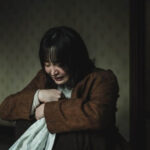
Can’t sleep after crying can feel confusing because your body may feel drained, your eyes may hurt, and your mind still will not let go. The key is to judge whether sleep is being blocked by physical after-effects, stress arousal, breathing changes, or emotional replay that needs to be paused before bed.
1. Can’t Sleep After Crying? Start With What Is Still Activated
After crying, your body may look still from the outside, but it may not be settled yet. Hard crying can leave your breathing uneven, your face tense, your throat tight, your chest heavy, and your heart rate higher than usual. Even when the tears stop, your nervous system may still be acting as if something urgent is happening.
This is why you can feel drained and wired at the same time. Your body may want to lie down, but the stress response has not fully stepped down. If you go straight into bed while your breathing is still choppy, your eyes are swollen, and your mind is replaying what happened, sleep may feel close but never fully arrive.
The first judgment is simple: are you unable to sleep because you are emotionally awake, physically uncomfortable, or both? If your body still feels hot, tense, puffy, or breathless, start with the physical reset. If your body is calm but the same thoughts keep looping, the main issue is mental arousal.
2. When Crying Before Bed Leaves Your Body Too Charged
Crying before bed can disrupt sleep because bedtime removes distractions. During the day, movement, light, people, messages, and tasks can break the emotional loop. At night, the room is quiet, your body is still, and the emotional event can feel louder than it did earlier.
The problem is not only sadness. It is the transition from emotional intensity to sudden stillness. If you cried hard, your body may have used more effort than you noticed: sobbing, breath holding, jaw clenching, shoulder tension, and facial pressure all keep the body active. Lying down immediately afterward can make those sensations more noticeable, especially when the room is dark and quiet.
3. If You Feel Exhausted After Crying but Still Can’t Fall Asleep
Feeling exhausted after crying does not always mean your body is ready for sleep. Exhaustion can come from emotional release, muscle tension, headache, dehydration, or the sudden drop after a stress response. That kind of tiredness can feel heavy, but it does not always create the calm state needed for sleep.
A useful distinction is whether you feel sleepy or depleted. Sleepy means your eyelids feel heavy, your thoughts slow down, and your body naturally wants to drift. Depleted means you feel wiped out, weak, foggy, or emotionally empty, but your mind still feels alert. If you can’t fall asleep after crying even though your body feels wiped out, the issue may be depletion rather than real sleepiness.
Take care of the simple physical signals before judging the night as insomnia. Drink water, wash your face, loosen your jaw, relax your shoulders, and let your breathing return to a normal rhythm. If you have not eaten for hours, a light snack may help your body feel less stressed. The goal is not to fix the emotion immediately. The goal is to make your body feel safe enough to stop guarding.
If the main issue is the emotional crash, judge the next step with Feel Exhausted After Crying: Normal Emotional Crash or a Sign You’re Overloaded?
4. How to Sleep After Crying When Your Eyes, Head, or Face Hurt
Sometimes you cannot sleep after crying because the emotional part has already slowed down, but the physical after-effects are still loud. Puffy eyes, facial pressure, a stuffy nose, a dry throat, or a mild headache can keep pulling your attention back to the crying episode. That does not mean something serious is happening. It means your body still feels the aftershock.
This is where a physical reset works better than trying to think your way into sleep. A cool damp cloth over the eyes or forehead can reduce the hot, swollen feeling. Sitting upright for a few minutes can help if your nose feels blocked or your head feels heavy. Slow nasal breathing may not work right away if you are congested, so do not turn breathing into a performance.
The key is to decide whether your body is still physically uncomfortable or your mind is emotionally active again. If the pressure is mostly in your eyes, face, nose, or head, use a physical reset first. If the discomfort fades but the same scene returns, stop treating it like a body problem and move to the thought loop instead.
5. When Your Thoughts Keep Replaying After Crying
If your body has calmed down but sleep still will not come, the blocker is often replay. You may keep thinking about what happened, what someone said, what you should have said, or why you reacted so strongly. The mind treats the emotional event like unfinished business and keeps reopening it at the exact time your body needs a stop signal.
This kind of thinking feels useful while it is happening, but most of the time it does not produce a new answer at 1 a.m. It only keeps the emotional system awake. A good test is whether the thought gives you a clear next step or just restarts the same feeling. If it gives you one next step, write it down once. If it only repeats pain, treat it as arousal, not problem-solving.
Do not try to win the argument inside your head, explain the whole situation, or force yourself to “get over it” before sleeping. Give the issue a container instead. One sentence is enough: “I am upset, but I will think about this tomorrow.” That sentence does not solve the problem, but it tells your brain that sleep is not the same as ignoring what happened.
If the replay continues even after the crying passes, use Mind Racing When Trying to Sleep: Stress, Overthinking, or a Sleep Problem?
6. If You’ve Been Tossing and Turning for Too Long
Staying in bed can be helpful if your body is gradually settling. It becomes a problem when the bed turns into a place where you rehearse the crying, check the time, tense your body, and feel more desperate to sleep. If you have been awake for a while and frustration is rising, staying there may train your brain to connect bed with emotional effort.
The better move is not to “give up” on sleep. It is to step out of the pressure loop. Get out of bed briefly, keep the light low, and do something neutral: read something boring, listen to quiet audio, fold a blanket, sip water, or sit in a calm spot. Return to bed when your body feels less charged, not when you have perfectly solved the feeling.
7. When Post-Crying Sleep Trouble Is Still Normal
One rough night after crying is usually within the normal range, especially after grief, conflict, rejection, stress, loneliness, or a major emotional release. The body may need time to come down. You may fall asleep later than usual, sleep lightly, wake up with puffy eyes, or feel emotionally tender the next morning.
Normal means the pattern improves when the situation passes, when you rest, or when you reduce stimulation. It also means the sleep trouble is connected to a clear emotional event rather than happening every night without explanation. If you cried hard and then needed extra time to settle, that alone does not mean you have a sleep disorder.
The better question is recovery speed. If you eventually sleep, feel more stable the next day, and do not keep spiraling, the episode was probably a stress response. If the crying repeatedly leads to sleepless nights, dread of bedtime, panic-like symptoms, or inability to function the next day, the pattern deserves closer attention.
8. When It Needs More Attention Than a Bedtime Reset
Post-crying sleep trouble needs more attention when it becomes frequent, intense, or connected to feeling unsafe. If you often cry at night and then cannot sleep for hours, the issue may be bigger than the crying itself. The crying may be the release point for ongoing stress, relationship pressure, grief, anxiety, burnout, or emotional overload.
Also pay attention when sleep loss comes with strong chest tightness, faintness, severe panic-like breathing, thoughts of self-harm, or fear of what might happen next. In that situation, the priority is support and safety, not perfect sleep hygiene. Relaxation tips are not enough when the underlying situation is unsafe or overwhelming.
The action threshold is clear. One night of poor sleep after crying can be handled with a calm reset and a lighter next day. Repeated nights of crying, racing thoughts, and sleep loss are a pattern. That pattern should be addressed directly, especially if it is affecting daily life, relationships, work, or your sense of safety.
9. What to Try First Before Getting Back in Bed
Start with the signal that is loudest right now, not with a full emotional analysis. If your eyes, face, nose, or head feel uncomfortable, use a physical reset first. If the main problem is replaying the situation, write one short line about what upset you and one short line about when you will return to it. If the bed itself now feels stressful, leave the bed briefly and do something neutral in dim light.
Then return to bed when your body feels less charged, even if the emotion is not perfectly resolved. The point is to lower enough arousal for sleep to happen. You do not need to fix the whole problem tonight.
Use this order:
- If your face or eyes feel hot or swollen, cool them first.
- If your throat feels dry or your body feels shaky, sip water and sit quietly.
- If the issue feels unfinished, write one short note and stop there.
- If bed feels frustrating, step out briefly for a neutral reset.
- If your body feels calmer, return to bed without reopening the issue.
The Bottom Line
Not being able to sleep after crying usually means your body, breathing, face, or thoughts are still carrying the emotional surge after the tears stop.
- If your body feels tense, hot, puffy, or breathless, reset the physical signals first.
- If your thoughts keep replaying the event, write one next step and pause the loop.
- If bed starts feeling stressful, leave briefly and return when your body is less charged.
- If crying repeatedly ruins your sleep, look at the larger emotional pattern, not just the night.
- If you feel unsafe or at risk, prioritize support and immediate safety over sleep.