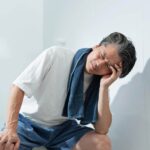
Feel shaky after a hot shower can feel strange because the shower may seem relaxing, but your body reacts as if something suddenly shifted. The useful judgment is whether the shaking is mainly a heat-and-blood-pressure adjustment, an adrenaline-like rebound, or part of a repeated heat intolerance pattern.
1. Feel Shaky After a Hot Shower: What the Reaction May Point To
A hot shower can make you feel shaky because it combines heat, standing, steam, and circulation changes in one place. Hot water warms the skin, blood vessels widen, and your body has to keep blood moving upward while you are standing in a humid bathroom. That combination can leave your hands, legs, or whole body feeling slightly unstable after you step out.
This kind of post-shower shakiness is not the same as simple tiredness. Tiredness feels more like being drained or sleepy, while shakiness feels more like trembling, jitteriness, weak legs, or a nervous internal buzz. The difference matters because a shaky feeling usually points more toward circulation, nervous-system adjustment, temperature change, or adrenaline than ordinary relaxation.
The first clue is recovery. If the shaky feeling settles after sitting, cooling down, drinking water, or leaving the steamy bathroom, the pattern usually fits a short heat-related adjustment. If the shaking keeps returning, happens even with warm showers, or comes with fainting, chest pain, or a new irregular heartbeat, the pattern needs more caution.
2. Why Hot Water Can Leave You Feeling Jittery
Hot water widens blood vessels near the skin so your body can release heat. That process is normal, but it can temporarily change how easily blood returns upward, especially when you are standing still. Your body may respond by increasing heart rate, tightening muscles, or creating a shaky feeling as it tries to stabilize.
This is why the shakiness may feel stronger in your legs than your hands. Your legs are doing the work of keeping you upright while heat encourages blood to move toward the skin and lower body. If you are dehydrated, hungry, overheated, or showering after exercise, the same adjustment can feel much stronger.
3. When the Pattern Fits a Heat Response
A heat-response pattern usually has a clear setup. The water is hot, the bathroom is steamy, you stand for several minutes, and the shaking starts during the shower or soon after getting out. It improves when you sit down, open the door, cool the water, or give your body a few minutes to reset.
This pattern is more likely when the shaky feeling is mild, brief, and predictable. You may feel a little lightheaded, warm, weak in the legs, or unsteady, but the episode does not keep escalating once you leave the heat. It also becomes easier to identify if you feel shaky after getting out of the shower more often after long showers, very hot water, poor ventilation, or showering when you have not eaten or had enough water.
The practical test is whether reducing the heat load reduces the shaking. Use warm water instead of hot water, keep the bathroom less steamy, shorten the shower, and avoid standing still under hot water for too long. If those changes reduce the shaky feeling, the shower environment was probably the main trigger.
4. How Heart Racing Changes the Pattern
Shakiness and heart racing often appear together after a hot shower, but one symptom usually leads the episode. If the shaking comes first and your heart speeds up because you feel alarmed, the pattern may be heat plus adrenaline. If your heart starts pounding strongly before the shaking, the episode may be more about circulation stress, heat sensitivity, or palpitations.
A fast but steady pulse after a hot shower can still fit a heat response, especially if it settles after cooling down. The concern rises when the heartbeat feels irregular, unusually forceful, or hard to calm even after you sit down. Chest discomfort, shortness of breath, fainting, or a new rhythm sensation should not be treated as ordinary post-shower jitters.
If pounding becomes the main fear, use this next comparison: Heart Racing After a Hot Shower: Heat, Blood Pressure, or POTS?
5. Weak Legs, Trembling Hands, or Internal Shaking
Where the shaking happens can change the meaning. Shaky legs after a hot shower often fit a standing-and-circulation pattern because your legs are supporting you while your body adjusts to heat. Trembling hands may happen when adrenaline rises, when you are hungry, or when you start worrying about the sensation.
Internal shaking may feel like buzzing, vibrating, or a nervous tremor inside your body even if your hands are not visibly shaking. A brief trembly feeling that fades with cooling is different from repeated episodes where your legs feel unreliable, you need to sit quickly, or you feel close to fainting. That second pattern points more toward blood pressure, heat intolerance, or standing sensitivity than simple nerves.
If your legs lose power more than they tremble, compare that pattern here: Feel Weak After a Shower: Dizzy, Faint, or Blood Pressure Drop?
6. When Adrenaline May Be Part of the Reaction
Adrenaline can enter the picture after the physical trigger has already started. A hot shower may make you feel lightheaded or shaky, then your brain reacts to that sensation as a threat. Your breathing changes, your muscles tense, your heart beats harder, and the original shakiness turns into a stronger jittery feeling.
This does not mean the episode is “just anxiety.” It means heat, blood pressure adjustment, and fear of the sensation can stack together. If the shaky feeling starts only after hot water, steam, or standing, the physical trigger probably came first; if the same jittery feeling happens before the shower, during worry, after caffeine, or in many unrelated situations, adrenaline sensitivity may be playing a larger role.
7. When Shower Sensitivity Looks More Repeated
Some people are more sensitive to heat and standing. A hot shower combines both, so it can expose a pattern that is not obvious at rest. If you often feel shaky, lightheaded, weak, or heart-racy after standing in warm places, hot showers may be one version of a broader heat-and-upright sensitivity.
This does not mean one shaky shower proves POTS or another autonomic condition. The pattern becomes more meaningful when symptoms repeat with ordinary standing, warm rooms, hot baths, saunas, dehydration, stairs, or getting out of bed. If it happens with mild heat, short showers, or normal standing, the shower may be revealing a pattern worth discussing with a clinician.
8. What to Change Before the Next Shower
The goal is not to avoid showering. The goal is to reduce the total heat-and-standing load enough to see whether the shaking changes. A slightly cooler shower, better airflow, and a slower exit can make the reaction easier to judge.
Start with the simplest adjustments:
- Use warm water instead of very hot water.
- Keep the shower shorter for a week.
- Vent the bathroom before steam builds.
- Avoid standing still under hot water for too long.
- Sit down immediately if your legs feel unstable.
- Drink water before or after showering if you tend to be dehydrated.
- Avoid very hot showers right after exercise, fasting, or poor sleep.
If the shaking improves sharply after these changes, the trigger was probably heat, standing, hydration, or shower duration. If the same shaky feeling happens despite cooler water and shorter showers, track the full pattern rather than assuming it was just steam.
9. When Shakiness After Hot Water Needs More Attention
Shakiness after a hot shower deserves more attention when it is severe, repeated, or paired with symptoms that do not fit a simple heat response. Fainting, chest pain, shortness of breath, confusion, one-sided weakness, severe headache, or a new irregular heartbeat should not be ignored. Those symptoms move the episode beyond ordinary post-shower trembling.
Frequency also matters. A single shaky episode after a very hot, long shower is different from getting shaky after normal showers every week. If the reaction starts happening with milder heat, shorter showers, standing in warm rooms, or light daily activity, the pattern is more important than the shower itself.
Recovery time is the final clue. A mild tremble that fades after a few minutes of cooling down is usually judged differently from shaking that lasts, keeps returning, or leaves you unable to stand normally. If changing water temperature, ventilation, hydration, and shower length does not improve the pattern, it is worth bringing the repeated details to a healthcare professional.
Final Takeaway
Feeling shaky after a hot shower is usually a heat, blood-pressure, standing, temperature-change, or adrenaline-related reaction when it is brief and improves after cooling down.
- More normal pattern: hot or steamy shower, mild trembling, quick recovery after sitting or cooling down
- More trigger-based pattern: worse with dehydration, hunger, poor sleep, exercise, long showers, or poor ventilation
- More adrenaline-linked pattern: shaking gets stronger after you notice the sensation and start worrying
- More heat-intolerance pattern: repeated shakiness with hot showers, warm rooms, standing, or hot baths
- More concerning pattern: fainting, chest pain, shortness of breath, confusion, severe weakness, or a new irregular heartbeat
- Best first step: cooler water, shorter showers, better ventilation, slower exit, and tracking recovery time