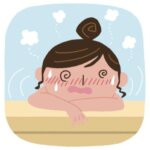
Feel nauseous after a hot shower can be unsettling because the nausea may feel like a stomach problem, even when the trigger is heat, steam, or standing still. The key is to judge whether it passes quickly after cooling down, comes with dizziness or weakness, or keeps repeating despite simple shower changes.
1. Feel Nauseous After a Hot Shower: What the Reaction Usually Starts With
A hot shower can make you feel nauseous when heat changes how your circulation behaves. Hot water widens blood vessels near the skin, and that can make blood pressure feel less stable while you are standing. In a steamy bathroom, the effect can feel stronger because your body is trying to cool down while also keeping enough blood flow to your brain.
That is why the nausea may come with lightheadedness, weak legs, sweating, a hollow stomach feeling, or the urge to sit down. Some people describe it as feeling queasy, while others feel like throwing up after the shower even though they felt fine before. In this pattern, the nausea is not always coming from digestion alone.
A mild episode usually points to a trigger-based reaction when it improves after sitting, cooling down, drinking water, or stepping out of the steam. It deserves more attention when the nausea is intense, repeated, or paired with near-fainting instead of a brief queasy feeling.
2. Why Feeling Sick After a Warm Shower Can Still Happen
Feeling sick after a warm shower can happen even when the water does not seem extremely hot. The total load matters: bathroom steam, standing still, shower length, hydration, food timing, and how quickly you move afterward can all push a normal shower into an uncomfortable reaction.
The timing gives you the best clue. If nausea starts while you are under the water, heat and standing are likely involved. If it starts right after getting out, your body may be reacting to the quick shift from warm steam to cooler air and movement. If it appears later, look harder at dehydration, not eating enough, anxiety, medication effects, or an already low-energy state.
3. When Nausea, Dizziness, and Weakness Point to Circulation
Nausea after a shower is more likely to involve circulation when it comes with dizziness, weak legs, blurred focus, tunnel-like vision, or the feeling that you need to sit down immediately. The more the episode feels like you might faint, the less it should be treated as a stomach-only issue.
A vasovagal-style reaction can feel similar. Heat, standing, steam, and relaxation can sometimes push the body toward a drop in blood pressure and heart-rate adjustment. That can create nausea, sweating, pale skin, weakness, or a sudden faint-like feeling.
If weakness or near-fainting becomes the main issue, this related guide fits better: Feel Weak After a Shower: Dizzy, Faint, or Blood Pressure Drop?
4. When the Queasy Feeling Is More About Heat Load
Sometimes the main issue is accumulated heat rather than a sudden drop. A long hot shower can warm your body gradually, especially in a small bathroom with poor ventilation. By the time nausea starts, your body may already be trying to cool itself while keeping circulation steady.
This pattern often feels like being overheated, flushed, slightly dizzy, heavy, or drained. You may not feel as if you are about to faint, but you may feel queasy and eager to leave the bathroom. It is more likely after very hot water, thick steam, showering after exercise, or taking a long shower when you are already tired.
5. Why Dehydration, Food Timing, and Steam Can Make It Worse
Dehydration makes hot-shower nausea more likely because your body has less fluid available to maintain stable circulation. You may not notice sweating in the shower, but hot water and steam still increase heat stress. If you already woke up dry, drank little water, or had caffeine without enough fluid, the reaction can feel stronger.
Food timing can also change the pattern. If you shower after not eating for many hours, the nausea may come with shakiness, a hollow stomach feeling, nervous energy, or sudden weakness. If you shower right after a heavy meal, heat and digestion can overlap and make you feel uncomfortable in a different way.
6. When Nauseous After Showering Needs More Attention
Nauseous after showering needs more attention when it happens repeatedly, gets stronger over time, or appears even with cooler water and shorter showers. It also matters when nausea comes with fainting, chest pain, shortness of breath, confusion, a new irregular heartbeat, severe headache, or trouble standing safely.
Recovery time matters too. A brief queasy feeling that improves within a few minutes after sitting and cooling down is different from nausea that forces you to lie down for a long time. Repeated near-fainting after hot showers should be treated as a pattern, not just ordinary shower discomfort.
7. What to Change When Hot Showers Keep Making You Nauseous
Start with the easiest variable: temperature. The shower does not need to be cold, but it should not create heavy heat and steam. Try warm water instead of hot water, shorten the shower, and use ventilation if the bathroom gets humid quickly.
Next, change how you stand and exit. Avoid standing completely still under hot water for a long time. If you feel queasy, lower the temperature, rinse with slightly cooler water, and pause before stepping out. Move slowly instead of bending down, turning quickly, or rushing from a hot shower into a cooler room.
If drained fatigue continues after the nausea fades, this related guide fits better: Feel Tired After a Hot Shower: Low Blood Pressure or Normal Heat Fatigue?
8. How to Judge the Next Episode
The next time it happens, judge the full pattern instead of the nausea alone. Notice whether it starts during the shower, right after getting out, or only after standing in a steamy bathroom for several minutes. Also check whether it happens only with hot showers or still appears after cooler water, shorter showers, and better ventilation.
If nausea mostly disappears with those changes, the pattern is probably trigger-based. If the same nausea keeps happening despite cooler water and slower movement, or if it comes with near-fainting or strong weakness, it is worth tracking more carefully. That pattern is different from a one-time queasy reaction after a very hot shower.
Final Takeaway
Feeling nauseous after a hot shower is usually a heat, blood-pressure, hydration, or standing-related reaction when it is mild, predictable, and improves quickly after cooling down.
- More normal pattern: hot or steamy shower, mild nausea, quick recovery after sitting or cooling down
- More trigger-based pattern: worse when dehydrated, hungry, overheated, or standing still too long
- More circulation-linked pattern: nausea with dizziness, weak legs, sweating, or near-faint feeling
- More concerning pattern: fainting, chest pain, shortness of breath, confusion, severe headache, or repeated episodes
- Best first step: cooler water, shorter shower, better ventilation, slow exit, and water before showering