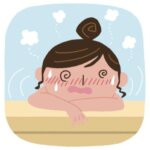
Headache after hot shower can feel strange because a shower is supposed to relax you, not leave your head pounding. The key is to judge the timing, intensity, migraine-like features, and whether the pain behaves like a heat trigger or a sudden warning sign.
1. Headache After Hot Shower: What the Timing Can Reveal
A hot-shower headache is easier to judge when you separate when the pain starts from what the pain feels like. Pain that builds during the shower often points toward heat, steam, dehydration, or poor bathroom ventilation. Pain that hits right after stepping out may involve the sudden shift from hot air to cooler air, quick movement, or a short blood-pressure adjustment.
If the headache starts slowly and feels like pressure, heaviness, or a dull ache, it is usually different from a sudden explosive headache. A slow-building headache after a long steamy shower often fits a trigger pattern. It may still feel unpleasant, but the timing gives you something practical to test.
The more important clue is repetition. One headache after an unusually hot shower is different from a headache that happens almost every time you shower, even when the water is only warm. Repeated episodes need closer tracking because the shower may be exposing a heat, migraine, blood-pressure, or sensitivity pattern rather than causing a random one-time headache.
2. Why Heat, Dehydration, and Steam Can Trigger Head Pain
Hot water can make the body work harder to release heat. In a small bathroom, steam can build quickly, and the combination of heat, humidity, and standing still can make your head feel heavy or tight. For some people, that turns into a dull headache near the forehead, temples, back of the head, or around the eyes.
The useful question is not just “Can a hot shower cause a headache?” but “Does the headache change when the shower changes?” If cooler water, shorter shower time, better ventilation, and drinking water beforehand reduce the pain, the pattern is more likely tied to heat load, steam, or dehydration than to a random headache.
3. When It Feels More Like Migraine Than a Simple Shower Headache
A hot shower can sometimes trigger a migraine-like pattern rather than a simple heat headache. This is more likely when the pain is one-sided, pulsing, sensitive to light or sound, or followed by nausea, visual discomfort, or a need to lie down. In that case, the shower may not be the full cause; it may be the trigger that starts an already sensitive headache pattern.
Steam can also change how the pain feels. Some people feel pressure around the forehead, eyes, cheeks, or temples after a steamy shower. That may feel sinus-like, tension-like, or migraine-like depending on the person. The exact label matters less than whether the same pattern improves when you reduce steam, shorten the shower, and avoid very hot water.
A useful test is to change only the shower environment for several days. Use warm instead of hot water, keep the bathroom ventilated, avoid long steam exposure, and see whether the headache becomes weaker or disappears. If the headache changes sharply when the shower changes, the trigger is probably environmental rather than random.
4. When Pounding Pain Comes With a Fast Pulse
Some hot-shower headaches feel more like pounding than pressure. That matters because pounding pain can overlap with heat, migraine, heart-rate increase, blood-pressure fluctuation, or anxiety after feeling physically uncomfortable. The clue is whether the headache comes with a racing heart, shaky feeling, shortness of breath, or a sense that your body is suddenly “revved up.”
This does not mean the headache is automatically dangerous. A hot bathroom, fast exit, dehydration, or standing still can make the body feel unstable for a short time. But if the headache is paired with a clearly racing pulse every time, the main pattern may be more than head pain alone.
If pounding comes with a fast pulse or shaky rush, read this next: Heart Racing After a Hot Shower: Heat, Blood Pressure, or POTS?
5. When Nausea Changes the Pattern
Nausea after a hot shower can appear for two different reasons. It can be part of a migraine-like headache, especially when the head pain is throbbing, one-sided, light-sensitive, or strong enough to make you want to lie still. It can also come from heat load, steam, standing, or a vasovagal-style reaction where the body feels queasy and unstable.
This headache article should only use nausea as a clue that changes the meaning of the head pain. If nausea is the main symptom and the headache is minor, the nausea-specific pattern is a better fit than treating everything as a shower headache.
If nausea feels stronger than the headache, compare that pattern here first: Feel Nauseous After a Hot Shower: Heat, Blood Pressure, or Vasovagal?
6. When a Sudden Shower Headache Is Not Normal
A sudden severe headache after hot water should not be treated like an ordinary heat headache. The clearest warning pattern is a headache that hits instantly, feels explosive, or reaches maximum intensity within about a minute. That kind of thunderclap headache pattern is different from a dull headache that slowly builds during a hot, steamy shower.
This matters because the shower may be only the setting, not the full explanation. If a severe headache appears suddenly for the first time, you should not try to decide at home that it is only dehydration, steam, or temperature change. Sudden worst-headache pain needs urgent medical attention, especially when it feels unlike your usual headaches.
Use a clear split:
- More likely trigger-based: slow-building headache, hot steamy shower, mild to moderate pain, improves after cooling down
- More migraine-like: pulsing pain, light sensitivity, nausea, repeated personal trigger pattern
- More concerning: instant severe headache, worst headache, confusion, fever, vomiting, fainting, seizure, weakness, speech trouble, or vision change
- More pattern-based: repeated headaches after hot showers even after cooler water, shorter showers, and better ventilation
7. What to Test Before Calling It a Random Shower Headache
Start with the shower conditions. Use warm water instead of hot water, reduce steam, turn on the exhaust fan, crack the door if safe, and keep the shower shorter. If the headache mainly comes from heat load, this should reduce the intensity quickly.
Then test the transition out of the shower. Do not rush from a steamy bathroom into a cold room, bend down quickly, or immediately start moving around. Finish with slightly cooler water, step out slowly, and drink water beforehand if you are dry, caffeinated, post-exercise, or showering after not eating for hours.
Final Takeaway
A headache after a hot shower is usually a heat, steam, dehydration, or migraine-trigger pattern when it builds gradually and improves after cooling down.
- More normal pattern: mild to moderate headache after a hot, long, or steamy shower
- More migraine-like pattern: pulsing pain, light sensitivity, nausea, or repeated personal trigger response
- More environment-based pattern: improves with cooler water, shorter showers, and better ventilation
- More concerning pattern: sudden worst headache, peak pain within about a minute, confusion, fever, vomiting, fainting, weakness, speech trouble, or vision change
- Best first step: lower the heat, reduce steam, hydrate, exit slowly, and track whether the pattern repeats