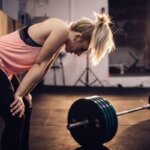
Feel dizzy after squats can feel alarming because it often hits right after you rack the weight or stand up from the bottom position. The useful judgment is whether it matches a short breathing-and-pressure reaction, a fueling problem, or a warning sign that should stop the workout.
1. Feel Dizzy After Squats: The Pattern to Check First
The first thing to check is when the dizziness starts. If it happens right after a heavy set, especially after hard bracing or breath-holding, it usually points toward a pressure shift from lifting effort and sudden recovery. This can feel like a quick head rush, brief lightheadedness, or a moment where you need to hold the rack.
If it happens while rising from the bottom position, the pattern is slightly different. Squatting puts your body through a fast position change, and standing up can briefly challenge blood pressure control. That is why some people feel dizzy after squatting even when the weight is not extremely heavy.
If dizziness starts during the set, gets stronger with each rep, or makes you feel close to fainting, treat it as a stop signal. That pattern is less like a normal post-set head rush and more like a sign that the set intensity, breathing strategy, or recovery state is not matching what your body can handle that day.
2. The Breathing Pattern Behind a Post-Squat Head Rush
Squats often make people brace harder than they realize. A short brace can help stabilize the trunk, but holding your breath too aggressively through several reps can create a sharp pressure swing. During the lift, pressure rises; after the set, the sudden release can leave you lightheaded.
This is most common after heavy barbell squats, high-rep sets, or grinders where the last reps take longer than expected. The dizziness usually arrives after you rack the bar, not halfway through a casual warm-up set. It may feel like your head suddenly gets light, your vision narrows for a second, or you need to sit down.
The fix is not always “never hold your breath.” For heavier lifts, bracing matters. The better rule is to avoid turning one long breath hold into the whole set: reset your breath when possible, avoid rushing after racking the bar, and do not stand frozen immediately after a hard set.
3. Where Blood Pressure and Standing Still After Squats Can Fit In
A squat set asks a lot from your legs and cardiovascular system. When the set ends, your body has to shift quickly from high effort to recovery. If you lock your knees, stand still, and stop moving right after racking the weight, the lightheaded feeling can become stronger.
This pattern often feels brief and positional. You may feel fine during the rep, then dizzy once the tension drops. It is more likely after heavy sets, long rest gaps, dehydration, poor sleep, or training in a hot gym.
A safer response is simple: rack the weight, stay controlled, and walk slowly for a few seconds. Do not immediately bend over near the bar, pace aggressively, or start another set while your head still feels unstable.
4. When Nausea Joins the Dizziness After Leg Training
Squats can also create a nausea-dizziness mix, especially during intense leg days. This is different from a one-second head rush. The feeling may include stomach pressure, warmth, sweating, or a sense that you might throw up after the set.
This usually comes from a combination of exertion, pressure, heat, fueling, and recovery state. A very heavy set, a high-rep squat finisher, or training too soon after a large meal can all push the body into that uncomfortable zone. The key is whether nausea is a small side effect or the main symptom.
If nausea becomes the main pattern after leg training, compare it with Feel Nauseous After Exercise: Intensity, Dehydration, or Blood Sugar?
5. Why Shaky Legs Can Change the Squat Dizziness Judgment
If dizziness shows up with shaky legs, weakness, or a drained feeling, look beyond breathing. Squats use a large amount of muscle mass, so under-fueling becomes more obvious here than it does during small isolation exercises. Training after a long gap without food can make lightheadedness feel stronger.
Hydration matters too, but it is not only about drinking water during the workout. If you came into the session already dehydrated, slept poorly, drank too much caffeine, or trained in a warm room, the squat set has less margin for error. In that case, the dizziness may not mean the squat itself is dangerous; it means your setup was too thin.
If trembling matters more than dizziness after squats, compare the pattern with Feel Shaky After Exercise: Blood Sugar, Adrenaline, or a Sign to Stop?
6. Warning Signs to Watch for During or After Squats
A short, repeatable head rush after a hard squat set is one thing. Dizziness with fainting, chest pain, unusual shortness of breath, severe headache, irregular heartbeat, or blurred vision is different. Those symptoms should stop the workout.
The same applies if you feel dizzy even while sitting, if it does not improve with rest, or if it happens during light sets that should not be challenging. A pattern that keeps repeating despite better breathing, lighter weight, food, hydration, and longer rest deserves medical advice rather than more gym experimentation.
Use this split during training:
- Brief head rush after a heavy set: stop, sit or walk slowly, and recover before deciding on the next set.
- Dizziness during the set: end the set and reduce intensity.
- Dizziness with fainting, chest pain, blurred vision, or persistent symptoms: stop training and seek medical advice.
- Repeated dizziness from light squats: treat it as a pattern that needs evaluation.
7. How to Adjust the Next Squat Session
The next session should be a test, not a repeat of the same problem. Lower the load slightly, reduce the rep count, and pay attention to whether the dizziness appears at the same point. If the dizziness disappears when you breathe better and avoid standing still after the set, the issue was probably tied to pressure management and recovery.
If you mainly feel dizzy after heavy squats, lower the load first before changing your whole routine. Also check your pre-workout setup. A small carb-containing meal one to two hours before lifting, steady hydration, and enough rest between heavy sets can make a noticeable difference.
Do not stack every stressor at once: heavy squats, poor sleep, empty stomach, caffeine, heat, and rushed breathing. If the dizziness continues despite those changes, do not keep adding intensity just because the lift feels technically possible. A lift can be mechanically successful while still being a poor match for your current recovery state.
8. The Takeaway on Feeling Dizzy After Squats
Feeling dizzy after squats is usually judged by timing: after the set, during the set, or alongside stronger symptoms.
- After heavy squats: check breathing, bracing, blood pressure shift, and standing still.
- With nausea or shakiness: check intensity, fuel, hydration, and recovery state.
- During light sets or with chest pain, fainting, blurred vision, or persistent symptoms: stop training and get medical advice.