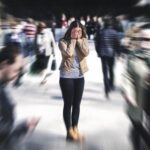
Feel overstimulated after shopping can make a normal errand feel like your brain and body both hit a limit. The key is to judge whether the crash comes from sensory load, anxiety, decision fatigue, physical depletion, or a crowded-space trigger that needs a different plan.
1. Feel Overstimulated After Shopping: What the Crash Can Point To
Shopping is not just walking through a store and buying things. Your brain has to process lights, music, voices, checkout sounds, signs, product labels, prices, movement, smells, temperature changes, and constant small decisions at the same time. Even when nothing dramatic happens, that much input can leave you feeling wired, drained, foggy, irritable, or desperate for quiet once you get home.
This kind of after-shopping crash is different from ordinary tiredness. Regular tiredness usually feels like low energy after activity, while shopping overstimulation often feels like your nervous system is still “on” after the trip is over. You may need a dark room, silence, fewer people, no conversation, or time alone before you can think clearly again.
The most useful question is not “Why am I so weak?” The better question is what overloaded you first. If lights, sounds, visual clutter, and scanning shelves hit you hardest, sensory load is the strongest clue; if tension, urgency, or feeling trapped came first, anxiety may be driving the reaction; if too many choices wore you down, decision fatigue may be the missing piece.
2. When Sensory Overload Builds in Stores
Sensory overload after shopping usually starts before you consciously notice it. You may feel fine at the beginning, then slowly become tense, scattered, impatient, or mentally full. Bright fluorescent lights, shiny floors, repeating shelves, carts moving in different directions, music, announcements, and checkout beeps all compete for attention until your brain has no room left to filter them.
This pattern often feels worse in grocery stores, malls, big-box stores, discount stores, and crowded aisles because the visual field is busy everywhere you look. A sensory pattern is more likely when you feel better after reducing input, such as sitting in the car, turning off music, putting your phone away, dimming the lights at home, wearing sunglasses, using earbuds, or lying in a quiet room. This is why some people feel exhausted after grocery shopping even when the trip was not physically intense.
3. When Anxiety Adds a Second Layer
Shopping can also become overstimulating because anxiety raises the body’s baseline tension. Crowded aisles, long checkout lines, feeling watched, worrying about symptoms, or feeling unable to leave quickly can put your body into a fight-or-flight state. Once that happens, normal store input feels louder, brighter, faster, and harder to ignore.
An anxiety-driven pattern often comes with a racing heart, tight chest, shallow breathing, shaky hands, sweating, stomach discomfort, or a strong urge to escape. The order matters: if the store first feels visually loud and anxiety comes later, sensory input may be the starting point; if worry, tension, or panic builds first, anxiety is probably amplifying the reaction.
4. When Decision Fatigue Is the Hidden Trigger
Decision fatigue after shopping can feel surprisingly physical. You may not feel scared or dizzy, but you feel mentally flat, annoyed, foggy, or unable to make one more choice. This is common when the shopping trip involves too many options, price comparisons, brand decisions, substitutions, budget pressure, or unexpected changes to the plan.
The clue is that the crash feels worse after “thinking-heavy” shopping. A quick trip for one item may be fine, but a full grocery run, clothing shopping, home supply shopping, or shopping with someone else’s preferences can drain you. If your reaction improves when you use a shorter list, familiar brands, pickup, online cart planning, or repeat purchases, decision fatigue is part of the main trigger.
5. When the Feeling Is More Physical Than Mental
Sometimes the problem is not only stimulation. Shopping often happens when you are hungry, dehydrated, warm, rushed, standing too long, or carrying bags. If you feel weak, shaky, nauseous, lightheaded, headachy, or like you need to sit down, the reaction may be partly physical rather than purely sensory.
This is especially important if the feeling starts near the end of the trip, in the checkout line, after skipping a meal, after caffeine, or after walking around a warm store. In that case, the best first step is not only calming your nervous system. It is also eating beforehand, carrying water, using a cart, taking shorter trips, and avoiding long shopping runs when you are already depleted.
If dizziness is the main symptom, compare this pattern with this more specific guide: Feel Dizzy in Grocery Store: Sensory Overload, Anxiety, or Blood Sugar?
6. When Crowds Change the Whole Experience
Crowds can turn a manageable shopping trip into an overstimulating one. People moving unpredictably, blocked aisles, loud conversations, children crying, carts stopping suddenly, and checkout lines can make your attention split in too many directions. Even if the lights and shelves are tolerable, the social movement around you may be the part that overloads your system.
This pattern is more likely when you feel better in the same store during quieter hours. Early morning, late evening, weekday shopping, curbside pickup, or smaller stores may feel easier even when the shopping list is similar. That means the problem is not shopping itself, but the combination of shopping plus crowd pressure.
If crowd pressure feels harder than shopping itself, compare the pattern with Feel Overwhelmed in Crowded Places: Sensory Overload, Anxiety, or Introversion?
7. What to Do Right After Shopping
If you feel overwhelmed after shopping, the first goal is to reduce input quickly. Do not immediately replace store stimulation with phone scrolling, loud videos, more conversation, or another errand. Put the bags down, drink water, sit somewhere quiet, dim the lights, loosen tight clothing, and let your breathing slow naturally.
Use a short normal-versus-problem check:
- If you feel better within 20–60 minutes after quiet, food, water, and rest, it is usually a recovery pattern.
- If every shopping trip causes a major crash, shorten the trip and reduce sensory input before you go.
- If the reaction includes fainting, chest pain, severe dizziness, confusion, or new neurological symptoms, treat it as more than overstimulation.
- If you avoid basic errands because the reaction is too intense, build a plan instead of relying on willpower.
8. How to Make Shopping Feel Less Overstimulating Next Time
The best prevention strategy is to lower the load before you are already overloaded. Shop with a short list, group items by aisle, choose familiar stores, avoid peak hours, and decide in advance which brands you will buy. The fewer decisions you make inside the store, the less likely your brain is to hit its limit.
Sensory tools should match the trigger. If lights are the problem, a hat or lightly tinted glasses may help; if noise is the problem, earbuds or quieter shopping hours may help; if crowds are the problem, go when the store is emptier; if decision fatigue is the problem, use pickup, delivery, or a repeat shopping list for basic items.
9. Key Takeaway
Feeling overstimulated after shopping is usually a pattern of input overload, not a random failure of energy or discipline.
- Worse after lights, shelves, noise, and scanning: sensory overload is the main clue.
- Worse after fear, tension, or feeling trapped: anxiety may be amplifying it.
- Worse after too many choices: decision fatigue is likely part of the crash.
- Worse when hungry, dehydrated, warm, or standing too long: physical depletion matters.
- Better with quiet, food, water, dim light, and shorter trips: adjust the shopping routine.
- Severe, sudden, repeated, or disabling symptoms need closer attention.