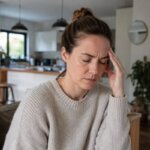
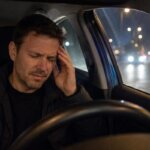
Feeling overwhelmed in crowded places can be confusing because the reaction often feels bigger than the situation itself. The useful question is not just why it happens, but whether your body is reacting to sensory input, anxiety, social pressure, or a mix of all three.
1. Feel Overwhelmed in Crowded Places: What the First Reaction Can Tell You
Crowded places overload the brain because they create several demands at once: noise, movement, lights, smells, people standing close, and the need to keep track of exits, space, and social expectations. Your nervous system has to filter all of that input while also deciding whether the environment is safe, manageable, or too intense.
That is why the reaction can feel sudden. You may feel fine before entering a mall, concert, grocery store, train station, or busy restaurant, then within minutes feel tense, irritated, foggy, trapped, or desperate to leave. The crowd is not just “busy” to your brain. It becomes too much information at the same time.
The first clue is timing: if the overwhelm starts almost immediately after entering the space, sensory input is likely playing a major role. If it builds after social interaction, waiting, or feeling watched, anxiety or social pressure may be more involved.
2. The Main Pattern Behind Your Crowd Reaction
Sensory overload usually feels like your brain cannot filter the environment fast enough. The crowd may feel too loud, too bright, too close, too chaotic, or too visually busy. You may not be thinking “something bad will happen,” but your body still wants distance, quiet, dimmer lighting, or a clear exit.
Anxiety feels more threat-based. You may worry about fainting, panicking, being judged, getting stuck, losing control, or not being able to escape. The physical symptoms can overlap with sensory overload, but the mental layer is different. Anxiety adds a “what if” loop on top of the body’s stress response.
Introversion or social drain is different again. An introverted person may feel tired after social exposure, but not necessarily trapped, panicky, or overstimulated. If the main feeling is “I need quiet after this,” that leans more toward social battery. If the main feeling is “I need to get out now,” that leans more toward sensory overload or anxiety.
If bright lighting makes crowds worse, read Feel Weird After Fluorescent Lights: Eye Strain, Anxiety, or Light Sensitivity.
3. The Body Signals That Show the Load Is Building
Crowd overwhelm often shows up physically before you fully understand what is happening. Your heart may race, your chest may tighten, your breathing may become shallow, or your shoulders may tense up. Some people feel dizzy, nauseated, shaky, hot, irritated, foggy, or disconnected from the room.
These symptoms do not automatically mean something dangerous is happening. In many cases, they mean your nervous system has shifted into a stress response because the environment feels hard to process. The body prepares to escape, even when the situation is not objectively dangerous.
The pattern matters more than one symptom alone. If the reaction eases after stepping outside, sensory overload is likely part of it. If the symptoms continue because you keep worrying about them, anxiety is likely adding fuel. If the crash appears mainly after long social exposure, social drain may be the bigger part. Fainting, chest pain, severe shortness of breath, or sudden weakness should be treated as a medical warning sign, not just crowd discomfort.
If dizziness is strongest in grocery aisles or bright stores, judge that store-specific pattern separately: Feel Dizzy in Grocery Store: Sensory Overload, Anxiety, or Blood Sugar?
4. The Line Between Manageable Discomfort and a Bigger Pattern
It is normal to feel uncomfortable in crowded places when the space is loud, packed, hot, poorly ventilated, or visually chaotic. It is also normal to need quiet time after a busy event. In that case, the reaction is temporary, predictable, and manageable with breaks or lower stimulation.
It becomes a problem when crowded places start controlling your routine. If you avoid stores, public transport, restaurants, events, work situations, or family gatherings because the reaction feels too intense, the issue is no longer just “not liking crowds.” It is interfering with daily life.
One extreme crowded place can overwhelm almost anyone. The bigger issue is whether the reaction changes what you avoid, how long you stay, or whether you can recover after leaving.
- Normal: you feel tense but can stay, function, and recover afterward.
- Watch closely: you can stay only by forcing yourself through strong discomfort.
- Problem: you regularly escape, avoid, panic, shut down, or plan your life around crowds.
The key is not whether you enjoy crowds. Many people do not. The key is whether the reaction stays manageable or starts shrinking your life.
5. How to Decide Your Next Move in the Crowd
The first step is to reduce input, not argue with yourself. Trying to “just calm down” often fails because the brain is still receiving too much stimulation. Lower the load first, then judge the situation again.
Move to the edge of the space, face a wall or quieter direction, loosen your shoulders, and slow your breathing. If possible, reduce one sensory channel at a time: lower noise with earplugs, reduce brightness with sunglasses, stop scanning the room, or step away from the densest part of the crowd.
Use the intensity of the reaction to choose the next step:
- If you feel uncomfortable but steady, stay and reduce stimulation.
- If you feel foggy, shaky, dizzy, or trapped, step outside for a reset.
- If symptoms keep climbing after a break, leave without treating it as failure.
- If you feel unsafe, faint, or physically unwell, get help.
Leaving is not always avoidance. Sometimes it is the correct nervous system decision. The goal is to learn the difference between a manageable stress response and a situation your body cannot process well that day.
6. How to Plan Around Your Main Crowd Trigger
Preparation works best when it is specific. Do not just tell yourself, “I will be fine.” Decide what usually overwhelms you first: noise, lights, movement, lack of space, social attention, heat, or the fear of getting stuck.
If you feel overstimulated in crowded places mostly because of sound, plan around noise with earplugs, quieter entry times, and distance from speakers or dense groups. If visual motion or bright indoor lighting is the main trigger, stand near the edge of the space, avoid visually chaotic areas, and reduce unnecessary scanning. If you feel anxious in crowded places because you worry about escape, control, or embarrassment, focus on predictability by choosing a position with space, knowing the exits, and setting a clear time limit.
A useful crowd plan includes a time limit, a reset option, and a recovery block afterward. That structure matters because overwhelm often becomes worse when you feel trapped. Even knowing you have a clear exit can reduce the intensity before symptoms build.
7. Why the After-Crowd Crash Can Feel So Strong
Feeling drained after crowded places is common because your brain has been filtering input for a long time. Even if nothing “bad” happened, your nervous system may have been working hard to track sound, movement, personal space, and social cues. That effort can leave you tired, irritable, quiet, or mentally foggy afterward.
This after-effect does not always mean anxiety caused the whole reaction. Sensory overload in public places can be exhausting on its own. Anxiety can add another layer because worrying about symptoms uses more energy, especially if you spent the whole time monitoring your body or trying not to look uncomfortable.
Recovery should match the cause, not a generic productivity standard. If the main issue is overstimulation, quiet and low-input rest usually helps most. If anxiety is still running after you leave, slow breathing, reassurance, and a predictable recovery routine matter more. If the drain is social, reducing conversation and taking alone time will usually fit better than forcing yourself to “be productive” right away.
If the crash happens mostly after stores or errands, judge that shopping-specific pattern separately: Feel Overstimulated After Shopping: Sensory Load or Anxiety?
8. The Signs That Mean You Need More Than Coping Tips
You should consider extra support if crowded places regularly trigger panic, intense avoidance, shutdown, dizziness, or a fear of losing control. This is especially important if you are changing your routine to avoid normal activities, or if you can only enter crowded places with severe distress.
Support does not mean you are weak. It means the reaction has become strong enough that you need a better strategy than repeated exposure and willpower. A therapist can help separate sensory sensitivity, panic patterns, social anxiety, trauma responses, and avoidance loops.
Medical evaluation also makes sense if symptoms are intense, new, or unusual. Chest pain, fainting, severe shortness of breath, sudden weakness, or symptoms that happen outside crowded places should not be dismissed as “just anxiety.”
9. Final takeaway
Feeling overwhelmed in crowded places is usually manageable when you identify whether the main trigger is sensory input, anxiety, social pressure, or exhaustion.
- If it starts fast, think sensory overload.
- If it comes with fear loops, think anxiety.
- If it appears after interaction, think social drain.
- If the reaction changes what you avoid or how long you can stay, treat it as a real pattern.
- If symptoms escalate despite a break, leave or get support.
- If physical symptoms are severe or unusual, treat them as a medical warning sign.