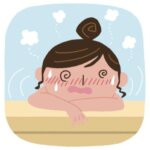
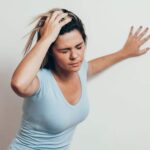
Feel tired after a hot shower can be confusing when a normal routine suddenly leaves you sleepy, weak, or drained. The real question is whether your body is simply reacting to heat or whether dizziness, racing heart, or repeated crashes point to something more.
1. Feel Tired After a Hot Shower: What Usually Happens
A hot shower can make you tired because it pushes your body into a heat-response state. Your skin warms up, blood vessels widen, circulation adjusts, and your body starts working to release heat once you step out.
That process can feel relaxing for one person and draining for another, especially if a hot shower makes you tired instead of refreshed. The same heat that relaxes tight muscles can also lower alertness, especially when the shower is long, the water is very hot, or the bathroom is full of steam.
If the tired feeling is mild, short-lived, and improves after cooling down or drinking water, it usually points to normal heat fatigue. It becomes more important to look closer when the tiredness feels physical rather than sleepy.
2. Why Heat Can Make Your Body Feel Drained
Hot water raises your skin temperature and encourages blood vessels near the surface of your body to widen. That helps your body release heat, but it can also make you feel heavy, slow, or slightly weak.
There is also a natural cool-down effect after you step out. Your body temperature starts dropping, and that drop can signal rest, which is why warm showers often make people feel sleepy at night.
Steam can add to the drained feeling. A hot, humid bathroom can make breathing feel heavier, increase discomfort, and make your body work harder to regulate temperature.
3. When the Reaction Is Probably Normal
A normal post-shower slump usually follows a clear pattern. It happens after hot or long showers, improves with cooler water, and fades after a short rest.
This type of tiredness is more likely when you shower after a long day, after exercise, after poor sleep, or after not eating or drinking enough. In that case, the shower is not the only cause; it is just the final trigger that makes your body slow down.
Normal signs include:
- You feel sleepy but not faint.
- You feel better after sitting for a few minutes.
- Cooler showers reduce the problem.
- The fatigue does not last for hours.
- You do not have chest pain, severe dizziness, or unusual shortness of breath.
4. When Low Blood Pressure May Be Involved
Low blood pressure becomes a stronger possibility when the tired feeling comes with lightheadedness, weakness, blurred vision, nausea, or the need to sit down quickly. Hot water can widen blood vessels, and standing in a warm shower can make that effect more noticeable.
This does not mean every tired feeling after showering is a blood pressure problem. The concern rises when the pattern is repeated and physical, not just relaxing.
The biggest clue is whether sitting down, cooling the room, and drinking water quickly improve the feeling. If they do, heat, hydration, and circulation are likely involved.
5. Dizziness, Weakness, or Racing Heart Changes the Meaning
A shower-related crash becomes more concerning when tiredness is not the main symptom. Dizziness, weakness, racing heart, trembling, or sudden unsteadiness points more toward a circulation or nervous-system response than simple relaxation.
This can happen more easily if you shower while dehydrated, skip meals, stand for a long time, or use very hot water. Some people also feel worse in heat because their body does not adjust circulation smoothly.
Watch the combination, not just one symptom. Mild sleepiness after heat exposure is common, but tiredness plus dizziness, palpitations, near-fainting, or repeated crashes deserves more caution.
If weakness is the main symptom after showering, not just sleepiness or relaxation, compare the pattern with Feel Weak After a Shower: Low Blood Pressure, Heat, or Something Else?
6. Sleepy After Showering vs. Exhausted After Showering
Feeling sleepy after showering and feeling exhausted after a hot shower are not the same thing. Sleepiness usually feels calm and gradual, while exhaustion feels more like your body has been drained.
Sleepiness is often tied to temperature changes and relaxation. Your muscles loosen, your body cools down afterward, and your brain reads the shift as a rest signal.
Exhaustion is more likely when the heat load is too strong for your body at that moment. That may happen when the shower is too hot, too long, too steamy, or taken when you are already dehydrated, hungry, stressed, or poorly rested.
7. How to Prevent the Drained Feeling
The first fix is to reduce the heat load. You do not need an ice-cold shower; a small temperature change can be enough to prevent the heavy, washed-out feeling afterward.
Try making the shower warm instead of hot, shortening the shower, and improving ventilation. If you tend to feel weak afterward, avoid standing in a very steamy bathroom with no airflow.
Useful adjustments include:
- Use warm water instead of very hot water.
- Keep the shower shorter.
- Sit for a minute before standing up quickly afterward.
- Drink water before or after showering.
- Use a fan, open the door slightly, or reduce steam.
- Finish with 10–30 seconds of cooler water if it feels comfortable.
If the fatigue improves after these changes, the issue was probably heat response, hydration, or shower duration. If nothing changes, the pattern needs closer attention.
8. Warning Signs You Should Not Ignore
The pattern becomes more serious when the fatigue is severe, repeated, or paired with symptoms that suggest your body is not tolerating heat or standing well. This is especially true if you feel close to fainting, have a racing heart, or need to lie down after ordinary showers.
Be more cautious if this happens even with warm water, not just very hot water. The same applies if the tiredness lasts a long time, interferes with daily activities, or appears with chest discomfort, shortness of breath, unusual sweating, or severe weakness.
That does not mean you should assume the worst. It means the pattern has moved beyond a normal “hot water made me sleepy” reaction and should be judged by frequency, intensity, and associated symptoms.
9. Related Temperature Patterns to Notice
Some people do not only feel worse after heat exposure. They also notice night sweating, cold-room sweating, morning weakness, or temperature swings that make their body harder to read.
Those patterns are not identical, but they can help you separate heat exposure, hydration, cold-triggered reactions, and more persistent body-temperature issues. If your body also feels unusually chilled after cold drinks, compare the pattern with Feel Cold After Drinking Water: Normal Chill or Warning Sign?
10. What to Do the Next Time It Happens
The next time the drained feeling hits, do not judge it from one moment alone. Look at the full pattern: water temperature, shower length, steam, hydration, food intake, time of day, and whether dizziness or weakness appears.
A simple test is to change only one or two factors. Take a shorter warm shower, improve ventilation, and drink water beforehand.
If the fatigue drops clearly, the cause was probably practical and heat-related. If the same washed-out feeling continues, track whether you feel sleepy, weak, dizzy, shaky, foggy, or like your heart is racing.
11. Key Takeaways
Feeling tired after a hot shower is often caused by heat exposure, blood vessel widening, steam, dehydration, or a normal cool-down response. It is usually not a problem when it is mild, short-lived, and improves with cooler water, shorter showers, or better hydration.
Core judgment:
- Mild sleepiness after heat exposure is usually normal.
- Weakness, dizziness, or near-fainting points more toward blood pressure or heat intolerance.
- Racing heart, repeated crashes, or severe fatigue should not be ignored.
- Cooler water, shorter showers, hydration, and ventilation are the first fixes.
- If symptoms stay strong even after changing shower habits, it is worth discussing the pattern with a clinician.