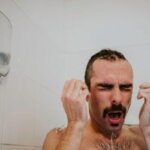
Feel cold after drinking water can feel strange because the chill may move through your throat, chest, stomach, or whole body before fading. The key is whether it happens only with cold water and passes quickly, or comes with stronger symptoms like shivering, dizziness, sweating, weakness, or repeated cold intolerance.
1. Feel Cold After Drinking Water: What Starts It
Feeling cold after drinking water is usually normal when it happens right after cold, iced, or rapidly swallowed water. Cold liquid passes through the mouth, throat, esophagus, and stomach, so your body can register that temperature change as a brief internal chill or cold sensation after drinking water rather than just a normal drinking sensation.
This reaction is more noticeable when you drink a large amount at once, drink water on an empty stomach, or drink it after being warm. In that situation, the cold feeling should stay mild, fade within a few minutes, and not leave you shaking, weak, dizzy, sweaty, or unusually uncomfortable.
2. What Changes When the Water Is Cold Enough to Notice
Cold water can create a stronger sensation than room-temperature water because it cools the tissues it touches first. The esophagus and stomach are sensitive to temperature changes, so some people feel a cold line through the chest, a chill in the belly, or a wave-like cool feeling after swallowing.
Your body may also respond by tightening blood vessels slightly or triggering a mild shiver-like response. This does not always mean your body temperature has dropped in a dangerous way. In most cases, it is a short temperature-response signal, not a true medical problem.
3. The Fast-Drinking Pattern That Makes the Chill Hit Harder
The speed matters. Sipping cold water usually gives your body time to adjust, while chugging a full glass can create a sudden cooling sensation in the throat, chest, and stomach. That sudden shift is why some people feel fine with small sips but feel cold or uncomfortable after drinking a lot quickly.
This is also why the same person may react differently depending on the moment. Cold water after exercise, after a hot shower, after waking up, or after a long gap without eating can feel more intense than cold water during a normal meal. The water itself may not be the only issue; your body’s starting condition changes the reaction.
For another temperature-related body response, read Feel Tired After a Hot Shower: Low Blood Pressure or Normal Heat Fatigue?
4. When an Empty Stomach Makes the Cold Feeling Sharper
Feeling cold after drinking water on an empty stomach can happen because there is less food in the stomach to buffer the temperature. The cold liquid may feel sharper, move faster, and create a more obvious internal chill. This is especially common in the morning or after several hours without eating.
The more useful judgment is what happens after the chill. If you feel cold briefly but otherwise normal, it usually fits a temperature and stomach-sensitivity response. If you also feel shaky, weak, lightheaded, sweaty, or suddenly anxious, the situation may involve low calorie intake, low blood sugar-like symptoms, or a stress response rather than water alone.
5. When Cold Hands Make the Water Reaction Feel Bigger
People who already get cold hands and feet may notice a stronger cold feeling after drinking water. This does not automatically mean there is a serious circulation problem, but it does mean your body may be more sensitive to temperature shifts. Cold liquid can feel like one more trigger on top of an already cold baseline.
A useful distinction is whether the cold feeling only happens after iced drinks or whether you feel cold most of the time. If you regularly feel unusually cold in warm rooms, struggle to warm your hands and feet, or feel chilled after small triggers, the water may simply be revealing a broader cold-sensitivity pattern.
6. When the Cold Feeling Moves Through Your Chest or Throat
A cold feeling in the chest after drinking water often comes from the esophagus, not the heart. Cold liquid travels down the esophagus before reaching the stomach, so a sharp cold line, chest-cooling sensation, or “cold inside” feeling can come from temperature-sensitive tissue.
That said, chest symptoms need clearer judgment. A brief cold sensation that follows the path of swallowing and disappears quickly is different from chest pressure, pain, shortness of breath, faintness, or symptoms that appear even without drinking. If the sensation feels like pain rather than cold, treat it more cautiously.
7. The Point Where a Water Chill Needs More Attention
Feeling cold after water becomes more concerning when the reaction is strong, repeated, or paired with other body-wide symptoms. Mild chill after iced water is one thing. Chills after drinking water or shivering after drinking cold water that comes with dizziness, nausea, sweating, weakness, near-fainting, or a cold feeling that lasts much longer than expected should not be dismissed as just “cold water.”
Also pay attention to pattern changes. If room-temperature water suddenly causes chills, if small amounts trigger strong discomfort, or if the cold feeling is part of a broader pattern of fatigue, weight change, poor appetite, digestive pain, or frequent lightheadedness, the issue may not be the water itself. The trigger is simple, but the body response may be pointing to something else.
If the cold feeling comes with weakness, dizziness, sweating, or a near-faint feeling, compare it with Feel Weak After a Shower: Dizzy, Faint, or Blood Pressure Drop?, since both patterns can involve a stronger body-wide reaction rather than a simple temperature sensation.
8. Small Changes That Help You Test the Trigger
The easiest fix is to change the water temperature first. Try room-temperature or slightly warm water for several days and compare the reaction. If the cold feeling disappears, the main trigger is probably temperature sensitivity rather than a deeper problem.
The second fix is to slow down. Take smaller sips, avoid chugging water first thing in the morning, and avoid large amounts of iced water on an empty stomach. If you feel cold mainly after not eating, drink water with or after food rather than using a large glass of cold water as the first thing your stomach receives.
9. Key Takeaway: How to Judge the Pattern
Feeling cold after drinking water is usually normal when it follows cold water, happens quickly, and fades without other symptoms. It deserves more attention when the reaction is intense, happens with room-temperature water, or comes with signs that affect your whole body.
- Normal: cold or iced water causes a short chill that fades within minutes.
- More likely sensitivity: it happens mainly on an empty stomach, after fast drinking, or when you already feel cold.
- More concerning: it comes with shivering, dizziness, sweating, weakness, chest pain, faintness, or repeated unusual cold intolerance.
- Best first step: switch to room-temperature water and sip slowly for a few days to test the pattern.