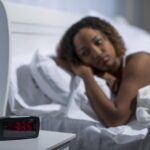
You lie down for a quick nap expecting to feel better, but wake up tense, foggy, or strangely uneasy instead. The key is to judge whether this is short sleep inertia from a poorly timed nap, or a repeated anxiety pattern with warning signs that needs closer attention.
1. Wake up from a nap feeling anxious, is it normal?
Waking up from a nap feeling anxious can be normal when it happens occasionally and fades within a short time. If you slept longer than planned, woke up suddenly, or opened your eyes feeling disoriented, your brain may not have fully shifted from sleep mode to wake mode. That temporary mismatch can feel like anxiety, even if there is no clear emotional reason for it.
It is less normal when the anxiety feels intense, happens after most naps, or takes a long time to settle. If you wake up with a racing heart, shakiness, nausea, sweating, chest tightness, or a strong sense of dread, the reaction deserves more attention. It may still be related to sleep inertia, stress, hunger, caffeine, or poor sleep timing, but the repeated pattern matters more than the label.
Use this split:
Normal: mild anxiety or confusion after a long, abrupt, or poorly timed nap that settles within 10–30 minutes.
Not normal: anxiety that is intense, repeated, lasts beyond the groggy period, disrupts your day, or comes with chest pain, faintness, severe shortness of breath, choking, or strong panic-like symptoms.
2. Why naps can trigger anxiety after waking
A nap can trigger anxiety because waking up is not always instant for the brain. If you wake during deeper sleep, your body may be awake before your mind feels fully oriented. That groggy state is often called sleep inertia. It can make you feel slow, foggy, heavy, confused, and emotionally off.
For some people, that confusion gets interpreted as danger. You wake up and do not immediately know what time it is, how long you slept, or why your body feels strange. That brief disorientation can set off a stress response. Your heart rate rises, your breathing changes, and the uncomfortable body sensations start to feel like anxiety.
This is why nap anxiety often feels different from ordinary worry. It may not begin with a clear thought. It starts as a body feeling first: heavy head, racing heart, dry mouth, nausea, shakiness, or a sudden “something is wrong” sensation. The mind then tries to explain the feeling after the fact.
3. Nap anxiety after long naps, why it feels worse
Long naps are one of the most common reasons people wake up feeling anxious, foggy, or unsettled. A short nap keeps you closer to lighter sleep. A longer nap makes it more likely that you enter deeper sleep. Waking from that deeper stage can feel rough.
This is why a 15–20 minute nap may leave you refreshed, while a 60–90 minute nap can leave you feeling worse. The longer nap is not always bad, but it has a higher chance of causing grogginess if you wake in the middle of deep sleep. That grogginess can turn into anxiety when the body feels strange and the brain is still trying to catch up.
Timing matters too. A late afternoon or evening nap can interfere with your normal sleep pressure. You may wake up anxious because your body is caught between two states: not fully rested, but not ready for the next night of sleep either. That is when a nap can feel less like recovery and more like being dragged out of sleep at the wrong time.
For a stronger groggy-wake pattern, see Wake Up Feeling Drunk but Didn’t Drink: Sleep Drunkenness or Normal Grogginess?
4. Wake up anxious after a nap with racing heart
Waking up anxious after a nap with a racing heart can feel alarming. In many cases, it comes from waking abruptly, sleeping too long, stress, caffeine, dehydration, or the body’s normal alerting response after disorientation. The heart rate change itself can then make the anxiety stronger because it feels like proof that something is wrong.
The key is whether it settles and whether it repeats. A racing heart that gradually calms as you sit up, drink water, breathe slowly, and reorient yourself is more consistent with a temporary wake-up response than an ongoing emergency. Still, chest pain, fainting, severe shortness of breath, or an irregular heartbeat sensation should be treated as a reason to seek medical care.
Do not force a diagnosis from one episode. But do take the pattern seriously. A repeated racing heart after naps is worth discussing with a healthcare professional, especially if it changes how you live, makes you avoid sleep, or feels physically unsafe.
For nighttime episodes with the same body alarm, see Wake Up After 5 Hours and Can’t Go Back to Sleep: Normal Sleep Cycle or Insomnia Sign?
5. Wake up from a nap feeling anxious and sick
Some people wake up from a nap feeling anxious and sick at the same time. This can happen when the body is dehydrated, underfed, overheated, or waking from a nap at an awkward point in the sleep cycle. Nausea, dry mouth, headache, dizziness, and shakiness can all make the brain interpret the moment as anxiety.
This reaction is more likely if you nap after skipping meals, drinking a lot of coffee, eating too little, or lying down in a warm room. It can also happen after a heavy meal if digestion, sleepiness, and grogginess all hit at once. The body feels uncomfortable first, and the mind labels that discomfort as panic or dread.
A useful test is to look at what happened before the nap. Were you hungry? Dehydrated? Overcaffeinated? Stressed? Did you nap in a dark room for too long? Did you wake suddenly to an alarm? If the anxiety and sick feeling show up mostly in those situations, the first fix is the nap setup, not a complicated explanation.
6. Anxiety after naps and poor nighttime sleep
Nap anxiety can get worse when your nighttime sleep is already poor. If your body is sleep-deprived, a nap may pull you into deeper sleep quickly. That makes waking up harder and increases the chance of grogginess, confusion, and emotional discomfort.
Poor nighttime sleep also keeps the nervous system more reactive. When you are under-recovered, ordinary body sensations feel louder. A dry mouth feels like a problem. A faster heartbeat feels more threatening. A foggy head feels more unsettling. This is one reason the same nap can feel fine on one day and terrible on another.
If nap anxiety happens alongside poor nighttime sleep, treat it as a full sleep-pattern issue, not just a nap problem. Late naps, irregular bedtimes, evening stimulation, caffeine too late in the day, and inconsistent wake times can all make the body less stable around sleep and waking.
7. How to nap without waking up anxious
The best way to avoid waking up anxious from a nap is to make the nap shorter, earlier, and easier to wake from. Most people do better with a short nap than a long one. A 10–20 minute nap gives the body a rest without making deep sleep as likely.
Nap timing also matters. Early afternoon is usually safer than late afternoon or evening. A late nap can leave you groggy, disrupt nighttime sleep, and make your body feel out of rhythm. If you already struggle to fall asleep at night, long or late naps are more likely to backfire.
Try this first:
- Keep naps around 10–20 minutes.
- Avoid late afternoon or evening naps.
- Drink water before or after the nap.
- Do not nap when extremely hungry.
- Wake with gentle light instead of a harsh alarm when possible.
- Sit up slowly and give yourself a few minutes before checking your phone or starting work.
- If you often nap to avoid a stressful task, write down the next small step before lying down so you do not wake up straight into the same pressure.
The goal is not to make every nap perfect. The goal is to stop waking your brain and body in the most jarring way possible.
8. What to do right after waking up anxious
When you wake up anxious from a nap, the first move is to reorient your body. Sit up. Turn on soft light. Look around the room. Drink water. Remind yourself what time it is and that you just woke from a nap. This sounds basic, but it helps the brain move from threat mode back into the present.
Do not immediately grab your phone and start scrolling, checking messages, or searching symptoms. That usually adds more stimulation and makes the body feel even more unsettled. Give yourself a short buffer before making decisions or judging how you feel.
A simple reset can look like this:
- Sit up and put both feet on the floor.
- Take slow breaths without forcing them.
- Drink water.
- Open a curtain or turn on a soft light.
- Wait 5–10 minutes before checking your phone.
- Eat something small if you were hungry before the nap.
- Do a short walk around the room or outside.
If the anxiety fades after this kind of reset, that points more toward sleep inertia and body-state confusion. If it does not fade, happens repeatedly, or escalates into panic-like episodes, the pattern needs more attention.
9. When nap anxiety is not just sleep inertia
Nap anxiety is not just sleep inertia when it is frequent, intense, or disruptive. A one-time anxious wake-up after a long nap is different from waking in panic almost every time you sleep during the day. Repetition changes the meaning.
It is also more concerning when symptoms are strong enough to interfere with normal life. If you avoid naps completely because you fear the feeling, lose a large part of the day recovering from it, or feel unsafe when waking, that is no longer a minor sleep habit issue. It may still be fixable, but it should be taken seriously.
Consider getting professional advice if you notice:
- Anxiety after naps happens repeatedly or becomes harder to calm.
- You wake with chest pain, faintness, severe shortness of breath, or an irregular heartbeat sensation.
- You wake gasping, choking, or feeling unable to breathe.
- Daytime sleepiness is extreme even after enough nighttime sleep.
- Fear of waking anxious starts changing your routine.
- Anxiety also happens during nighttime sleep or early morning waking.
These signs do not prove a specific condition. They do mean the pattern is strong enough that you should not rely only on nap timing tips.
10. Wake up from a nap feeling anxious, bottom line
Waking up from a nap feeling anxious is often caused by sleep inertia, long naps, late naps, dehydration, hunger, stress, or poor nighttime sleep. It can feel scary because the body wakes before the mind feels fully clear. That mismatch can create racing thoughts, a faster heartbeat, nausea, or a sudden sense of dread.
But the pattern matters more than one bad nap.
Bottom line:
- Mild anxiety after a long, abrupt, or poorly timed nap is usually a temporary wake-up response.
- Anxiety that fades within 10–30 minutes is more consistent with sleep inertia.
- Anxiety with racing heart, nausea, shakiness, sweating, or dizziness should be tracked, especially if it repeats.
- Shorter, earlier naps are less likely to cause anxious wake-ups.
- If nap anxiety is frequent, intense, physically alarming, or disruptive, get medical or mental health advice instead of treating it as a normal nap problem.