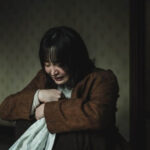
Heart racing after crying can feel alarming because the emotional release is over, but your body still feels stuck in emergency mode. The key is to judge the pattern by how hard you cried, how you were breathing, how long the fast heartbeat lasts, and whether it comes with warning symptoms.
1. Heart Racing After Crying Can Start Before You Notice It
Heart racing after crying often begins while your nervous system is still reacting to emotional stress. A heavy crying episode can push your body into fight-or-flight mode, even if you are sitting still, lying down, or trying to calm yourself. Your heart may pound, your chest may feel tight, or your pulse may stay faster than expected for several minutes after the crying stops.
This does not automatically mean something is wrong with your heart. The first judgment is whether the racing heart follows an obvious emotional trigger and gradually settles as your breathing slows. If it does, the pattern usually fits a stress-adrenaline response rather than a separate heart problem.
2. The Breathing Pattern That Makes Your Heart Feel Louder
Sobbing changes breathing more than most people notice in the moment. When you cry hard, you may take quick shallow breaths, hold your breath between sobs, or gasp repeatedly without realizing it. That pattern can make your heart beat fast after crying so much because your body is trying to correct the stress surge and the breathing shift at the same time.
This is why palpitations after crying often feel stronger than ordinary stress. The heartbeat may feel like pounding, fluttering, or a fast pulse in your chest, neck, or throat. If the rhythm feels mostly fast but steady, and it calms as your breathing becomes slower, breathing stress is likely part of the reaction.
If sobbing also turns your stomach, check the nausea branch next before blaming panic alone: Feel Nauseous After Crying: Stress, Breathing, or Vagus Response?
3. The Recovery Pattern That Helps Separate Stress From Concern
A normal post-crying recovery pattern has a clear arc. The crying is intense, the heart rate rises, your breathing feels uneven, and then the fast heartbeat gradually fades as your body settles. You may also feel tired, shaky, warm, drained, or emotionally flat afterward.
The timing matters more than the exact number on your pulse. A racing heart that slowly settles within a short recovery window is less concerning than one that appears suddenly, feels irregular, or keeps escalating after you are calm. If the fast heartbeat after crying is linked to sobbing, stress, or a panic-like emotional surge, your body should start moving back toward baseline once the trigger has passed.
If your fast pulse comes with trembling or weak legs, compare the body-shaking pattern in Feel Shaky After Crying: Normal Stress Release or a Warning Sign?
4. The Symptoms That Change the Next Step
The situation changes when heart palpitations after crying come with symptoms that point beyond ordinary stress recovery. Crying can trigger adrenaline, but it should not create crushing chest pain, fainting, severe shortness of breath, or pain spreading into the arm, jaw, neck, back, or shoulder. Those signs need a different level of attention.
Use these signs as the action threshold:
- Get urgent help if the racing heart comes with chest pain, pressure, or squeezing.
- Get urgent help if you feel faint, pass out, or cannot breathe normally.
- Get checked if the heartbeat feels irregular, keeps returning without crying, or lasts long after you are calm.
- Get checked if the same pattern is becoming more frequent or stronger over time.
The key difference is whether the fast heartbeat behaves like recovery or keeps acting like a separate event. A steady pulse that fades after crying is one pattern; a sudden, irregular, or symptom-heavy episode needs more caution.
5. What to Do While Your Body Is Still Coming Down
The goal is not to force your heart rate down instantly. The goal is to give your nervous system fewer reasons to stay activated. Sit upright or lie slightly elevated, loosen tight clothing, and let your breathing become longer without trying to over-control it.
A simple reset works better than checking your pulse every few seconds. Breathe out a little longer than you breathe in, sip water if your mouth is dry, and keep your eyes on a stable object or a dimmer part of the room. If the racing pulse after crying starts easing, that is useful feedback: your body is recovering, even if it still feels uncomfortable.
6. Why It May Keep Happening After Emotional Episodes
Some people get a racing heart after sobbing because their body reacts strongly to emotional stress. Others notice it more during poor sleep, dehydration, low food intake, caffeine use, or a period of high anxiety. In those cases, crying is not the only cause; it is the trigger that exposes an already sensitive system.
The pattern deserves more attention when it starts appearing outside crying episodes. If you also get heart fluttering, chest pounding, or a fast heartbeat while resting, eating, walking, or trying to sleep, the issue is no longer just “after crying.” That is when it makes sense to track timing, triggers, duration, rhythm, and accompanying symptoms before deciding whether the pattern needs medical evaluation.
7. The Bottom Line
Heart racing after crying is usually a stress-and-recovery response when it follows intense sobbing, feels mostly steady, and gradually calms as your breathing settles.
- More likely normal: clear crying trigger, fast but steady pulse, gradual recovery, no chest pain or fainting.
- More concerning: irregular rhythm, severe shortness of breath, chest pressure, fainting, or symptoms that happen without crying.
- Best next step: judge the pattern by trigger, duration, rhythm, and accompanying symptoms, not by fear alone.