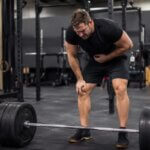
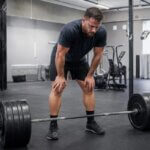
Headache after deadlifts can feel alarming because the pain often hits during the pull, at lockout, or right after you drop the bar and release your brace. The useful judgment is whether it follows a deadlift-specific pressure pattern, a neck-and-gaze mistake, or a sudden warning signal that should stop the workout.
1. Headache After Deadlifts: What the Pull Timing Reveals
Headache after deadlifts should first be judged by the exact moment it starts. If your head hurts during the pull, especially as the bar slows near the knees or lockout, the trigger is usually linked to bracing too hard, holding your breath too long, grinding the rep, or pulling with your neck instead of keeping the head quiet.
If the headache appears after the bar returns to the floor, the pattern changes. You may finish the rep, release your brace, let go of the bar, and then feel pulsing pressure in your head. That points more toward pressure release after a heavy full-body pull than to the deadlift being automatically unsafe.
2. Why the Deadlift Setup Can Build Head Pressure Before the Bar Moves
A deadlift headache can start before the actual rep because the setup is already demanding. You hinge down, grip the bar, pull slack out, brace your trunk, tighten your lats, and prepare to drive through the floor. If that setup takes too long, your breath may already be locked before the bar even leaves the ground.
This is what makes head pain after deadlifting different from a general workout headache. The lift often combines a hard brace, a heavy hip hinge, full-body tension, grip pressure, and a sudden transition from strain to standing tall. If you search “why does my head hurt after doing deadlifts,” the first clue is not only the weight on the bar. It is how long you stay pressurized before and during the pull.
3. When Breath-Holding Turns the Pull Into a Pressure Spike
A short brace is normal during heavy deadlifts. The problem starts when a controlled brace becomes a long, forced breath-hold that lasts through the setup, the pull, the lockout, and sometimes the lowering phase. Deadlifts are different because pressure can build before the bar leaves the floor, especially if you take a long setup breath and then grind through a slow pull.
This pattern is especially common during heavy singles, touch-and-go reps, high-rep deadlift sets, or slow grinders where you refuse to reset between reps. If the headache improves when you shorten the setup, reset your breath between reps, and stop before the bar speed collapses, pressure management was probably the main clue.
If head pressure also appears during bodyweight pushing, compare Headache After Push Ups: Breath-Holding, Neck Tension, or Red Flag?
4. When Neck Position and Gaze Change the Signal
A headache from deadlifts can also come from what your head and neck are doing while the rest of your body pulls. Looking up at a mirror, cranking the chin forward, shrugging into the traps, or yanking the bar while the neck is extended can turn the lift into a skull-base and upper-trap tension pattern.
The clue is where the pain sits. If it starts near the base of the skull, behind the ears, around the temples, or climbs from the neck upward, check your gaze and neck position before blaming the movement itself. A better test is to keep the neck neutral, let your eyes track naturally with the torso, and avoid turning the lockout into a chin-lift or trap-shrug.
5. When Heavy Sets, Rep Style, and Fatigue Change the Pattern
A weightlifting headache after deadlifts is more likely when the set pushes past your ability to control pressure. Heavy top sets, repeated singles with short rest, high-rep deadlifts, and final reps taken too close to failure all make breathing and neck tension harder to manage. Your legs and back may still finish the rep, but your pressure control may already be past its useful limit.
Rep style matters too. Touch-and-go deadlifts can make one breath-hold stretch across several reps if you never fully reset. Slow eccentric reps can keep you braced longer than expected. If the headache appears mostly during touch-and-go reps, heavy top sets, or slow grinders, reduce the load and reset your breath before each pull.
6. When Headache and Dizziness Need a Different Check
A headache that stays as head pressure is one pattern. A headache and dizziness after deadlifts is a different pattern because the problem is no longer only pain. Lightheadedness, tunnel vision, seeing stars, weak legs, or feeling close to passing out changes the next decision, especially when it happens right after lockout or after you let go of the bar.
This matters because deadlifts leave little room for balance mistakes. If the main symptom becomes dizziness rather than head pain, sit or kneel before walking around, do not start another set, and judge the blood pressure and breathing pattern separately from the headache itself.
If head pain turns into lightheadedness after the pull, check the next risk pattern here: Feel Dizzy After Deadlifts: Breathing, Blood Pressure, or Warning Sign?
7. When a Deadlift Headache Should Stop the Workout
A mild headache after one hard set that fades with rest is different from a sudden headache while deadlifting that feels explosive, unusual, or like the worst headache you have had. Stop the workout immediately if the pain reaches maximum intensity quickly during the pull, hits after lockout with unusual force, appears after dropping the bar, or shows up with a weight that normally feels easy.
Use a stricter rule if the headache comes with fainting, confusion, vision changes, vomiting, chest pain, trouble speaking, one-sided weakness, numbness, a stiff neck, or symptoms that do not settle after rest. Do not test another heavy pull to “see if it happens again” when the headache is sudden, severe, neurological, or clearly different from your normal exertion symptoms.
8. The Bottom Line
A headache after deadlifts is best judged by timing, breath control, neck position, set style, and whether the pain stays mild and predictable or becomes sudden and severe.
- During the pull: check bracing, breath-holding, slow grinders, and rising head pressure.
- At lockout or after lowering the bar: check pressure release, breath reset, and how quickly the symptom fades.
- At the base of the skull or temples: check neck position, gaze, trap tension, and jaw clenching.
- During touch-and-go or high-rep sets: reset between reps before blaming deadlifts entirely.
- With dizziness, faintness, neurological symptoms, or sudden severe pain: stop lifting and get medical guidance.