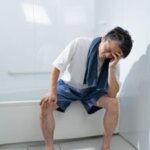
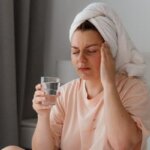
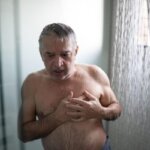
Heart racing after a hot bath can feel more alarming than ordinary tiredness because it often starts when your body should be relaxing. The useful judgment is whether your pulse rises briefly from heat and standing up, stays high because anxiety takes over, or comes with symptoms that mean you should stop testing hot baths.
1. Heart Racing After a Hot Bath: The Timing Tells You More Than the Feeling
Heart racing after a hot bath usually starts in one of three moments: while you are soaking in very hot water, when you sit up in the tub, or after you stand and step out. That timing matters because a bath is not the same as a shower. In a shower, you are already standing; in a bath, your body may move from warm, still, and partly reclined to fully upright in one quick transition.
A brief fast heartbeat after getting out of a hot bath often fits a heat-and-circulation response when it settles after sitting, cooling your face, and breathing normally. A more important pattern is when the fast heartbeat keeps climbing, feels irregular, comes with faintness, or happens even after shorter and cooler baths. The question is not only “Why is my heart beating fast after a bath?” but also what happens in the first few minutes after you change position.
2. Why the Heat Load Can Push Your Pulse Higher
A hot bath can make your heart beat faster because heat changes how your body handles circulation. Warm water encourages blood vessels near the skin to widen so your body can release heat. When that happens, your heart may beat faster to keep blood moving steadily, especially when you are hot, relaxed, sweaty, or mildly dehydrated.
The bath can also hide the buildup until you move. You may feel calm while soaking, then notice your heart pounding after a hot bath only when you sit up or stand. That does not automatically mean panic or a heart problem. It means your body is shifting from a heated, relaxed state into an upright position where blood pressure and heart rate have to adjust quickly.
If heat also turns into head pain, use this next check before changing baths: Headache After Hot Bath: Sudden Red Flag or Blood Pressure Shift?
3. The Stand-Up Moment That Separates a Bath Reaction From General Palpitations
The strongest hot-bath clue is a racing pulse that appears right after sitting up, standing, or stepping onto the bathroom floor. At that moment, your body is dealing with heat, gravity, and movement at the same time. If blood pressure briefly feels less stable, your heart may beat faster to compensate, and the sensation can feel like pounding, rushing, or sudden internal pressure.
This pattern often comes with a head-rush feeling, weak legs, slight shakiness, or the urge to sit down. If the fast heartbeat drops after you sit, cool down, and drink water, the bath exit was probably a major trigger. If the racing heart stays high after you are seated and cool, the pattern deserves more attention than a simple “stood up too fast” explanation.
If the racing comes with head-rush or near-faint timing, compare Feel Dizzy After a Hot Bath: Blood Pressure Drop or Warning Sign? before treating it as panic.
4. The Difference Between a Heat Response and Anxiety Taking Over
Anxiety can make a fast heartbeat feel stronger, but the order of events matters. A heat-driven pattern usually starts with the bath conditions first: very warm water, a long soak, steam, flushed skin, standing up, or feeling lightheaded. Anxiety may then join in because the sensation feels scary.
An anxiety-led pattern usually starts before the bath or continues even when the bath conditions are mild. You may notice fear, pulse-checking, smartwatch checking, body scanning, or the thought that something is wrong before the physical trigger is clear. The two can overlap, but the practical test is simple: if cooler water, a shorter bath, better ventilation, and a slower exit sharply reduce the heart racing, the physical bath trigger is doing most of the work.
5. When Bath-Triggered Pounding Feels Different From a Steady Pulse
A fast but steady pulse after a hot bath often feels like your heart is simply working harder for a short time. It may be uncomfortable, but the rhythm feels regular, and the episode improves as your body cools down. This pattern fits heat load more cleanly when it is predictable and short-lived.
A pounding, fluttering, skipped-beat, or irregular feeling needs a stricter judgment. Palpitations after a hot bath should not be judged only by the trigger. They should be judged by rhythm, recovery, and what comes with them. A new irregular heartbeat sensation, chest discomfort, shortness of breath, fainting, or confusion is not the same as a brief heat-related pulse rise.
6. The Pattern That Points to Heat Sensitivity
Some people are more sensitive to hot water, warm rooms, dehydration, or quick posture changes. In that case, a hot bath may reveal a broader heat-sensitivity pattern rather than causing a one-time episode by itself. The clue is repetition: the same fast heartbeat happens with hot baths, hot tubs, saunas, warm crowded rooms, or standing after rest.
That does not mean one episode proves POTS or another autonomic issue. The pattern matters more than one reading. A single racing pulse after an unusually hot, long bath is different from repeated high heart rate after mild heat, ordinary standing, meals, stairs, or getting out of bed. If the reaction keeps appearing across different heat and standing situations, track it more carefully instead of only changing bath temperature.
7. What to Change Before the Next Bath
The first fix is to reduce the total heat load. Use warm water instead of very hot water, keep the bath shorter, and avoid staying in until your skin is deeply flushed or the bathroom feels heavy with steam. You do not need to make the bath cold. The goal is to make the trigger clear enough to judge.
Change the exit routine too. Sit upright in the tub for a minute before standing, move slowly, and avoid stepping out quickly after a long soak. Cool your face, neck, or wrists before getting out if you often feel your pulse rise during the transition. Drink water before or after the bath if you tend to bathe dehydrated, hungry, or after exercise.
Use the next bath as a practical test:
- Keep the water warm, not hot.
- Shorten the soak.
- Vent the bathroom if steam builds.
- Sit up before standing.
- Step out slowly instead of rushing.
- Sit down immediately if you feel faint, weak, or unstable.
8. When the Reaction Means You Should Stop Testing Hot Baths
A brief fast heartbeat that improves after cooling down is less concerning than a racing heart that is intense, repeated, irregular, or hard to control. Pay closer attention if the reaction happens after only a warm bath, lasts longer than expected, or keeps returning despite cooler water, shorter baths, hydration, and a slower exit.
The clearest warning pattern is not the fast heartbeat alone. It is the combination around it. Chest pain, fainting, shortness of breath, confusion, severe weakness, a new irregular rhythm, or dizziness that does not improve after sitting and cooling down should not be treated as a normal hot-bath reaction. In that situation, stop testing hot baths and get medical advice.
9. The Bottom Line
Heart racing after a hot bath is usually a heat, blood-pressure, standing-transition, or anxiety-amplified reaction when it is brief, steady, and improves after cooling down.
- More typical pattern: hot or long bath, fast but steady heartbeat, clear improvement after sitting
- More bath-specific pattern: starts when sitting up, standing, or stepping out of the tub
- More anxiety-linked pattern: fear, overchecking, or panic keeps the heart racing after the heat trigger passes
- More heat-sensitive pattern: repeated fast heart rate with baths, hot tubs, saunas, warm rooms, or standing
- More concerning pattern: fainting, chest pain, shortness of breath, confusion, severe weakness, or a new irregular rhythm
- Best first step: cooler water, shorter bath, slower exit, better ventilation, and tracking recovery time