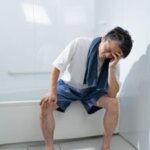
Headache after hot bath can feel more worrying than a normal headache because it may start while soaking, right after standing up, or after you leave the bathroom. The useful way to judge it is by timing, intensity, water temperature, dizziness, and whether the pain feels gradual or suddenly severe.
1. Headache After Hot Bath: What the Timing Can Reveal
A hot-bath headache is different from a hot-shower headache because your whole body may be surrounded by heat while you are sitting or reclining. That makes the trigger less about one stream of hot water and more about full-body heat exposure, circulation changes, and the way your body reacts when you stand up after soaking.
The first clue is when the pain starts. A headache that builds slowly during a long soak usually points more toward heat load or dehydration, while a headache after getting out of a hot tub or bath may involve a standing transition, blood-pressure shift, or quick movement after your body has been warmed and relaxed.
2. When the Pain Builds During the Bath
A headache that slowly builds while you are still in the bath often fits a heat-reaction pattern. The water may be too hot, the bathroom may be steamy, or you may have stayed in long enough for your body to feel flushed, heavy, or drained. This kind of hot bath headache often feels dull, tight, heavy, or throbbing rather than explosive.
The practical test is whether the headache changes when the bath changes. If shorter soaking time, warm instead of hot water, better ventilation, and drinking water beforehand make the headache weaker, the pattern is more likely tied to heat and fluid balance than to a random headache.
If heat leaves you weak or faint instead of just headachy, compare the sauna pattern next: Feel Weak After Sauna: Heat Crash, Low Blood Pressure, or a Sign to Stop?
3. When Getting Out of the Bath Changes the Pattern
Some people feel fine while soaking, then get a headache after standing up or stepping out of the tub. That pattern matters because a bath creates a bigger posture change than a shower. Your body moves from warm, still, and often reclined to upright and moving in one moment.
This is where blood pressure can become part of the picture. Heat can widen blood vessels near the skin, and standing quickly can make your circulation adjust fast. If the headache comes with lightheadedness, a racing heart, shaky legs, or a faint feeling, the issue is no longer just head pain.
If dizziness joins the headache after standing, use this next step to separate circulation from pain: Feel Dizzy After a Hot Bath: Blood Pressure Drop or Warning Sign?
4. When Dehydration Makes the Headache Stronger
Dehydration does not always feel obvious while you are in the bath. You may not sweat as visibly as you would in a sauna, but hot water can still make your body work harder to release heat. If you already had coffee, exercised earlier, skipped water, ate little, or took the bath late when tired, the headache may hit harder.
A dehydration-linked headache after taking a bath often comes with thirst, dry mouth, drained fatigue, darker urine later, or a heavy pressure feeling in the head. It usually makes more sense when the bath was long, hot, or taken after a day when your body was already low on fluid.
5. When It Feels More Like a Migraine Trigger
A hot bath can also act like a migraine trigger, especially if heat, steam, poor sleep, dehydration, strong scents, or stress are already stacked together. This pattern is more likely when the pain is one-sided, pulsing, light-sensitive, sound-sensitive, or followed by nausea.
The bath may not be the full cause in that case. It may be the final trigger that starts an already sensitive headache pattern. If the same kind of headache also happens after hot rooms, poor sleep, alcohol, intense exercise, or sudden temperature changes, the bigger pattern may be migraine sensitivity rather than the bath alone.
6. When a Hot Tub or Head Bath Points to the Same Pattern
A headache after a hot tub, getting out of a hot tub, or a head bath often points to the same basic judgment. The exact setup changes, but the useful clues stay similar: how hot the water was, how long the exposure lasted, whether steam or direct heat reached your head, and whether symptoms started during the heat or after you stood up.
A hot tub may add a longer soak and stronger whole-body heat exposure, while a head bath may involve direct hot water around the scalp, face, or neck. If the headache is gradual and predictable, treat it as a pattern to modify first. If it is sudden, severe, or unlike your usual headaches, treat it as a different category.
7. When a Sudden Hot-Bath Headache Needs Caution
A sudden severe headache after a hot bath should be judged differently from a slow heat headache. The clearest red flag is pain that hits instantly, feels explosive, or reaches maximum intensity within about a minute. That is not the same as a dull headache that gradually builds during a hot soak.
Do not try to explain a first-time “worst headache” as simple dehydration, blood pressure, or hot water. Get urgent medical help if the headache is sudden and severe, or if it comes with confusion, fainting, stiff neck, repeated vomiting, seizure, weakness, trouble speaking, vision changes, chest pain, or trouble staying alert.
8. What to Change Before Calling It Random
Start with the bath conditions. Use warm water instead of very hot water, shorten the soak, keep the bathroom less steamy, and avoid staying in until your skin is deeply flushed. The goal is not to make the bath cold; it is to reduce the heat load enough that your body does not get pushed into a headache pattern.
Then change the exit. Sit upright for a moment before standing, move slowly, avoid bending down right after getting out, and cool your face, neck, or wrists if you feel overheated. If the headache after hot tub or bath time becomes much weaker with these changes, the trigger is probably practical and pattern-based.
9. The Bottom Line
A headache after a hot bath is usually a heat, hydration, blood-pressure, or migraine-trigger pattern when it builds gradually and improves after cooling down.
- More typical pattern: mild to moderate headache after a long, hot, or steamy bath
- More heat-linked pattern: flushed skin, heavy head, fatigue, and improvement after cooling down
- More dehydration-linked pattern: thirst, dry mouth, drained feeling, darker urine, or worse pain after poor fluid intake
- More blood-pressure-linked pattern: headache after standing, with dizziness, shaky legs, or faint feeling
- More migraine-like pattern: pulsing pain, light sensitivity, sound sensitivity, nausea, or repeated personal trigger response
- More concerning pattern: sudden worst headache, peak pain within about a minute, fainting, confusion, vomiting, stiff neck, weakness, speech trouble, or vision change