Feel shaky after cold shower can feel confusing because the trembling may start after the water is already off, when you expected to feel calm or energized. The useful judgment is whether the shaking is brief shivering, a cold-shock and adrenaline response, a breathing problem, or a sign that the exposure was too intense.
n the water was very cold, the shower lasted longer than usual, or you stood wet in cool air afterward.
The more typical pattern is brief, predictable, and clearly linked to the cold. You feel shaky after getting out of the shower, dry off, put on warm clothes, and the trembling gradually settles. This is the most common version behind searches for shaking after cold shower when the exposure was simply stronger than your body expected.
3. When Cold Shock Makes the Shaking Feel Sudden
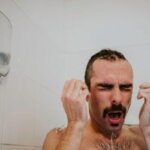
Cold-shock shakiness usually starts fast. You may gasp, tense your chest, brace your abdomen, tighten your shoulders, or feel a sudden jolt of alertness when the cold water hits. The shaking may feel less like slow shivering and more like your whole body was startled.
This pattern is especially common when cold water hits the chest, back, neck, or head first. If the shaking is strongest during the first 10 to 60 seconds, the trigger is probably the abrupt shock rather than the full shower duration. If starting warm, lowering the temperature gradually, and aiming the first cold water at the legs or arms makes the trembling much weaker, the episode was likely a cold-shock reaction.
4. When Breathing Turns Trembling Into a Bigger Reaction
A cold shower can make you breathe in a way that increases shakiness. Some people gasp, hold their breath, breathe high in the chest, or start taking quick shallow breaths. That can make the body feel more jittery because the cold reaction and the breathing reaction are stacking together.
This is where “why am I shaking after a cold shower?” has a more specific answer. The cold may start the reaction, but unstable breathing can keep feeding it. If you cannot keep your breath controlled, the shower is already too intense for that session.
5. When Adrenaline Makes the Shaking Feel Jittery
Cold shower adrenaline shaking can feel different from ordinary shivering. Instead of just feeling cold, you may feel wired, jumpy, tense, or slightly panicky. Your heart may feel more noticeable, your hands may tremble, and your body may feel like it is still “on alert” after you step out.
This does not mean the reaction is fake or “just anxiety.” The physical cold hit can come first, then adrenaline adds a second layer. If the trembling fades when you sit down, breathe slowly, and warm up gradually, the episode still fits a trigger-based cold response. If it keeps escalating after the shower is over, you pushed too far.
6. When the Cold Exposure May Have Gone Too Far
The most important split is not “normal or abnormal.” It is whether the reaction stays controllable. Mild shivering after cold exposure is one thing. Violent, uncontrollable shaking after cold shower is a different pattern, especially if you feel clumsy, confused, very weak, or unable to warm up normally.
The “too much” pattern usually has a clear setup. The water was icy, the cold part lasted too long, you were already tired or underfed, the room was cold, or you stood around wet after getting out. Cold exposure should leave you feeling alert but steady, not trapped in a long recovery. If shaking becomes the main event, shorten the cold part next time or stop cold showers for now.
If the cold reaction turns queasy instead of just shaky, compare the nausea pattern here: Feel Nauseous After Cold Shower: Cold Shock or Warning Sign?
7. When Lightheadedness Changes the Next Judgment
Shaking alone is judged differently from shaking with dizziness, near-faintness, spinning, or a feeling that you need to sit down. If the main symptom is trembling but you can think clearly, stand normally, and recover with gradual warming, the pattern leans more toward shivering, cold shock, or adrenaline.
If lightheadedness becomes part of the episode, the next question is different. You need to judge whether cold shock changed your breathing, whether standing after the shower affected blood pressure, or whether cold water around the head and ears triggered a balance response.
If trembling comes with dizziness or near-faintness, compare whether breathing or blood pressure is now the main issue: Feel Dizzy After Cold Shower: Cold Shock, Breathing, or Blood Pressure?
8. What to Change Before the Next Cold Shower
The first change is to lower the intensity, not to prove toughness. Start warm or lukewarm, then move to cool water for the final short part of the shower. Let the cold touch the legs or arms first, then move upward only if your breathing stays calm.
Dry off immediately after the shower. Do not stand wet in a cool room while checking your phone, looking in the mirror, or waiting to see what happens. Use one simple rule for the next attempt: the cold shower is acceptable only if you can breathe steadily, step out safely, and stop shaking within a short recovery window.
9. When the Shaking Needs More Caution
Shaking after a cold shower needs more caution when it is intense, prolonged, repeated, or not clearly tied to cold intensity. It also matters if you keep shaking even after drying off, dressing warmly, and resting in a safe place. A brief shiver after cold water is one pattern; a hard-to-control recovery reaction is another.
Do not treat it as ordinary cold-shower discomfort if the shaking comes with fainting, chest pain, shortness of breath, confusion, slurred speech, severe weakness, clumsiness, a new irregular heartbeat, or a severe headache. One shaky episode after a very cold shower is different from shaking every time, even with mild cold and short exposure. If that pattern keeps repeating, stop the cold-shower experiment instead of trying to adapt harder.
10. The Bottom Line
Feeling shaky after a cold shower is usually a cold-exposure, shivering, cold-shock, breathing, or adrenaline response when it is brief, predictable, and improves after drying off and warming up gradually.
- More typical: mild shivering, chattering teeth, shaky hands, or brief trembling after cold water
- Cold-shock pattern: sudden gasp, chest tension, muscle bracing, and shaking during the first cold hit
- Breathing-linked pattern: breath-holding or fast shallow breathing makes the shakiness stronger
- Adrenaline-linked pattern: jittery, wired, panicky trembling after the cold sensation starts
- Too-much pattern: violent shaking, long recovery, poor control, or shaking that keeps returning despite easier exposure
- More concerning: fainting, confusion, clumsiness, slurred speech, chest pain, shortness of breath, or severe weakness