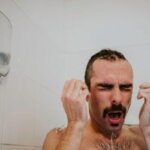
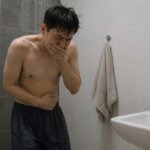
Feel weak after cold shower can feel confusing because cold water is supposed to wake you up, not leave you drained afterward. The useful judgment is whether your body is having a short cold-shock recovery phase, a blood-pressure-style drop, or a cold dose that is too much for your current state.
1. Feel Weak After Cold Shower When the Crash Comes Afterward
Feeling weak after a cold shower is not the same pattern as feeling weak after a hot shower. Hot water usually drains you through heat, steam, standing still, and blood-pressure relaxation, while cold water often starts with a sharp alert response before your body has to settle back down.
That second phase is where the weakness often appears. You may feel alert under the cold water, then tired, shaky, sleepy, or drained once you step out. If the weak feeling comes after the shower rather than during the first cold blast, the main question is how your body recovers in the next few minutes.
2. When the First Cold Hit Uses More Effort Than Expected
A sudden cold hit makes the body react quickly. Your muscles tense, your breathing changes, your shoulders tighten, and your heart may feel more noticeable for a short time. Even a short rinse can feel like a strong body stressor if the water is icy or the first blast hits your chest, neck, or head.
This is why a cold shower can make you feel tired instead of refreshed. If you force yourself to stay under the water while your breathing is still unstable, the shower may use more energy than it gives back. The result is not “bad discipline”; it is often too much cold shock for your current recovery state.
If the cold hit turns queasy instead of just draining, use the nausea branch next: Feel Nauseous After Cold Shower: Cold Shock or Warning Sign?
3. The Timing Clue That Separates Shock From Recovery Load
Timing changes the meaning of the weak feeling. If it happens in the first few seconds, cold shock, breath-holding, or sudden bracing is usually the main trigger. If it comes 10 to 60 minutes later, the pattern points more toward recovery load, low fuel, dehydration, or overexposure.
This is also why “cold shower makes me weak” can mean several different things. A brief washed-out feeling that fades after warming up is different from feeling exhausted for hours, needing to lie down, or feeling worse every time you try cold water. The longer the weakness lasts, the less you should treat it as a normal wake-up response.
4. When Blood Pressure Moves Into the Pattern
Some people feel fine while the water is running but weak when they step out, dry off, stand still, or start warming up. That pattern can feel like heavy legs, faint weakness, sudden tiredness, or a need to sit down before continuing.
Blood-pressure-style weakness is more likely when you are dehydrated, underfed, sleep-deprived, post-exercise, or already run down. It is also more likely when weakness comes with lightheadedness rather than simple tiredness. If sitting down, drinking water, and warming up gradually help within a few minutes, circulation and recovery are probably part of the trigger.
If weakness shifts into lightheadedness, near-fainting, or vision changes, use this next branch: Feel Dizzy After Cold Shower: Cold Shock, Breathing, or Blood Pressure?
5. When the Cold Dose Is Bigger Than Your Body Can Use
A colder shower is not automatically a better shower. A full icy shower from the start is very different from finishing a warm shower with 15 to 30 seconds of cool water. If one version leaves you fine and the other leaves you drained, the problem is the dose.
This pattern is common when people feel exhausted after a cold shower, tired after a cold plunge, or simply wonder why they feel more tired after cold water. The body may handle the cold stimulus during the shower, then struggle during the warming-back-up phase. If the crash gets worse as the water gets colder or the exposure gets longer, reduce the exposure before testing anything else.
6. The Setup Clues That Make Weakness More Likely
The same cold shower can feel different depending on what happened before it. Skipping food, drinking too little water, showering right after exercise, sleeping badly, or taking a cold shower while sick can make the weak feeling sharper. In those cases, the shower may be the final stressor, not the only cause.
This also explains why you might feel weak and shaky after a cold shower on one day but not another. The cold stimulus may be similar, but your recovery reserve is not. When your body is under-fueled, under-rested, chilled, or already fighting fatigue, the cold exposure can feel less like a reset and more like another demand.
7. What to Change Before Trying It Again
Start by reducing the cold dose rather than forcing through the same reaction. Use warm or lukewarm water first, then finish with a short cool rinse. Let the first cool water hit your arms or legs before moving to the chest, neck, or head.
After stepping out, warm up gradually. Dry off, put on warm clothing, sit for a minute if your legs feel weak, and avoid jumping straight into intense work, exercise, or another temperature swing. If water, food timing, shorter exposure, and gradual cooling prevent the crash, the weakness was probably trigger-based and adjustable.
8. When the Pattern Means You Should Stop
A cold shower should not leave you faint, unstable, or wiped out for a long time. Stop the cold exposure if the weakness keeps getting stronger, if you need to lie down, or if the same reaction happens even after making the shower shorter and less cold.
Take the reaction more seriously if weakness comes with chest pain, shortness of breath, fainting, confusion, a new irregular heartbeat, severe headache, or symptoms that do not settle after rest and gradual warming. Those signs do not fit a simple recovery crash. They mean the shower may be exposing a circulation, heart-rate, breathing, or health issue that should not be tested repeatedly.
9. The Bottom Line
Feeling weak after a cold shower usually comes down to cold-shock recovery, too much exposure, low fuel, dehydration, or a blood-pressure-style adjustment, and the recovery pattern tells you whether to reduce the dose or stop.
- More likely normal: mild weakness after a sudden cold hit that fades after warming up
- More likely exposure-related: worse weakness after icy, long, full-body cold showers
- More likely setup-related: stronger symptoms when fasting, dehydrated, sleep-deprived, sick, or post-exercise
- More likely blood-pressure-related: heavy legs, faintness, lightheadedness, or relief after sitting down
- Stop-and-check pattern: fainting, chest pain, shortness of breath, irregular heartbeat, severe headache, or weakness that does not settle after rest and gradual warming