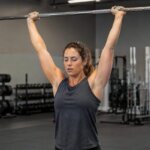
Headache after bench press can feel more concerning than normal workout fatigue because the pain may hit during the press, right after racking the bar, or later around the back of your head. The key is to judge whether it matches bench-specific neck pressure, breath-holding, jaw tension, or a stronger warning pattern that should stop the workout.
1. Headache After Bench Press When the Timing Starts the Pattern
Headache after bench press should first be judged by timing. If it starts during the hardest part of the rep, especially when the bar slows down, the trigger is often linked to bracing, breath-holding, jaw clenching, or pushing your head too firmly into the bench.
If the headache appears after you rack the bar, the pattern is slightly different. You may finish the set, release your brace, sit up quickly, and then feel pressure in your head or pain near the base of your skull. That points more toward pressure release, neck tension, and recovery after the set than to chest strength itself.
2. Why the Bench Setup Can Turn Effort Into Head Pressure
Bench press locks your upper body into a fixed position while your chest, shoulders, arms, core, neck, and jaw all tense together. That setup can make head pain during bench press feel sharp, pulsing, or compressed because your head stays against the pad while the rest of your body is pushing hard.
This is what makes the symptom different from a general weightlifting headache. During squats or deadlifts, the pressure often comes from a full-body brace. During bench press, the pressure may come from a tighter pattern: hard pressing, trapped breathing, clenched jaw, and the back of the head pressing into the bench at the same time.
3. Neck Pressure and Jaw Tension Behind the Pain
Back-of-head pain during bench press often points toward the neck and skull-base area rather than the chest itself. This can happen when you dig your head into the bench, shrug your shoulders, clench your teeth, or let your upper traps take over as the bar slows down. The pain may feel like a tight band, a sore spot at the base of the skull, or pressure that spreads toward the temples.
The useful test is whether the headache changes when your neck and jaw change. Keep the back of your head resting on the pad without driving it down, soften your jaw, keep your shoulders set without shrugging, and stop the set before your neck becomes part of the lift. If the headache improves when your head stays quiet and your jaw stays loose, the problem was likely tension management, not the bench press movement itself.
If neck-triggered head pain also happens outside lifting, compare the pattern with Headache After Stretching: Neck Tension, Breath Holding, or Warning Sign?
4. Breath-Holding and the Pressure Spike During Heavy Reps
A strong brace can help a heavy press feel stable, but holding your breath too long can turn the rep into a pressure event. This is especially common near the chest, at the sticking point, or during the final rep of a hard set. If you notice pressure in your head during bench press, check whether your breathing disappears as the set gets difficult, especially if it feels like a weightlifting headache rather than simple muscle fatigue.
The fix is not to press loosely. The better test is to set your brace before the rep, lower the bar with control, and exhale through the hardest part of the press instead of staying locked in a long breath-hold. If the headache fades when you lower the weight, stop short of failure, and breathe more deliberately, pressure management is the main clue.
5. When the Bar, Bench, or Setup Changes the Signal
A headache when bench pressing can also come from the setup around the lift. A hard bench pad, a high arch, a strained neck angle, or a rushed unrack can make the head and neck work harder before the first rep even starts. Some lifters also lift the chin, jam the head backward, or tense the throat while trying to stay tight under the bar.
Small setup changes can tell you a lot. Keep your eyes under the bar before unracking, keep the neck neutral, let the head rest instead of drive, and make sure the bar path does not turn every rep into a neck-and-jaw strain. If incline bench press, dumbbell bench press, or machine chest press changes the headache pattern, the trigger may be position-specific rather than a general chest workout problem.
6. When Other Pressing Movements Create the Same Sensation
If the headache only happens on barbell bench press, focus first on bench setup, breath timing, head pressure on the pad, and how close you are pushing to failure. If similar head pressure shows up during push-ups, dips, machine presses, or other chest exercises, the issue may be the broader pressing pattern: upper-body tension, breath-holding, and pressure buildup during repeated pushing.
That distinction matters because the solution changes. A bench-only headache may improve with a softer head position, better unrack control, lighter load, and fewer grinding reps. A broader pressing-related headache needs a bigger adjustment to breathing, set length, rest periods, caffeine, hydration, and how often you take pushing exercises close to failure.
If pressing without a bench creates similar head pressure, compare it with Feel Dizzy After Push Ups: Breathing, Head Pressure, or a Sign to Stop?
7. When a Bench Press Headache Should Stop the Set
A mild headache after bench press that appears only after a hard set and fades with rest is different from a sudden, explosive headache during the lift. Stop the set immediately if the pain is severe, unusual, or feels like the worst headache you have had. Do not test another rep to see whether it happens again.
Use a stricter rule if the headache comes with faintness, confusion, vision changes, vomiting, chest pain, weakness, numbness, trouble speaking, or a stiff neck. A new, sudden, severe, or repeated exertion headache deserves medical guidance, especially if it happens with light weight or appears when bench press never caused headaches before.
8. How to Adjust Your Next Bench Press Session
Your next bench session should separate the cause instead of repeating the same hard set. Start lighter, leave more reps in reserve, and use a weight that lets you breathe on purpose through each rep. Keep your jaw relaxed, keep the back of your head resting rather than pressing, and pause after racking the bar before sitting up quickly.
Use one change at a time so the signal is clear. If the headache improves with better breathing, the main issue was likely breath-holding and pressure. If it improves when your neck stays neutral and your jaw stays loose, tension was the bigger clue. If it still happens with light, controlled sets, stop treating it as a form problem and get it checked.
9. The Bottom Line
A headache after bench press is best judged by timing, head position, breath control, and whether the pain stays limited to hard pressing sets.
- During the rep: check breath-holding, bracing, and grinding through the sticking point.
- Back of the head or skull-base pain: check neck pressure, jaw clenching, and head position on the bench.
- After racking the bar: check pressure release, breathing reset, and sitting up too quickly.
- Across several pressing exercises: check upper-body tension, set length, caffeine, hydration, and repeated failure reps.
- Sudden, severe, unusual, neurological, or repeated easy-set headaches: stop lifting and get medical guidance.