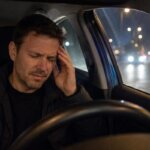
Feel dizzy after jump rope can be confusing because the workout looks simple, but the repeated bouncing can challenge your breathing, blood flow, balance, and visual focus at the same time. The key is to judge whether it feels like a brief head rush, a breathing issue, a motion-sensitivity reaction, or a warning sign to stop.
1. Feel Dizzy After Jump Rope and the Pattern to Notice First
Feeling dizzy after jump roping is not the same as simply feeling tired from cardio. Jump rope combines fast rhythm, repeated vertical movement, quick landings, and constant visual timing, so dizziness can appear even when your legs do not feel fully exhausted. That is why someone may feel fine during walking, cycling, or light strength training but feel lightheaded after skipping rope.
The first pattern to check is how the dizziness feels. A brief head rush after stopping points more toward blood-flow shift, breath control, or abrupt stopping. A swirly, spinning, or off-balance feeling points more toward bouncing rhythm, gaze position, head movement, or vestibular sensitivity.
2. When the Head Rush Starts After You Stop
One common pattern is dizziness that appears right after the rope set ends. During jump rope, your heart rate climbs quickly and your legs keep moving, but when you stop suddenly, blood flow and pressure can shift faster than your body adjusts. That can create a short head rush, lightheaded feeling, or “I need to sit down” moment.
This pattern is more likely when the dizziness improves after walking slowly, breathing steadily, or sitting upright for a short time. It is also more likely if you were doing fast rounds, long sets, or trying to beat a jump count instead of keeping a controlled pace. The key detail is that the dizziness peaks around the stop, not necessarily during every bounce.
Do not lie flat immediately just because you feel dizzy after jumping rope. Stop the rope, sit if needed, keep breathing steady, and let the feeling settle before deciding whether to continue. For the next session, use shorter intervals and a slower cool-down walk instead of ending a fast set and standing still.
3. When Breathing Falls Behind the Rope Rhythm
Jump rope can make you lightheaded when your rope rhythm becomes faster than your breathing rhythm. Many people focus on not tripping, counting skips, or keeping the rope moving, then accidentally hold their breath or breathe too shallowly. The dizziness may feel like pressure in the head, chest tightness, a sudden need to stop, or lightheadedness that rises as the set gets faster.
This is different from ordinary tiredness. If your legs still feel capable but your breathing feels rushed, uneven, or slightly panicked, the rope pace is probably too aggressive for that round. The fix is not to force more willpower; it is to reduce the rhythm until you can breathe through the whole set without chasing the rope.
Use a simple test. If you cannot keep a steady inhale-exhale pattern for the full round, the set is too long or too fast. Start with short intervals, rest until breathing returns to normal, and avoid restarting while you still feel slightly dizzy.
4. When Bouncing Triggers a Swirly or Off-Balance Feeling
Some dizziness after jump rope feels less like a head rush and more like swaying, spinning, visual motion, or being slightly off-balance. That pattern points more toward the repeated up-and-down movement than pure cardio effort. Jump rope asks your eyes, inner-ear balance system, head position, and landing rhythm to stay coordinated over and over.
This can happen if you keep looking down at your feet, track the rope too closely, jump in a visually busy space, or move your head with every bounce. Even small jumps can become irritating when the rhythm is fast and repetitive. If the room feels like it shifts, your balance feels delayed, or the dizziness feels motion-like, treat the issue as a bouncing-and-balance problem rather than just poor fitness.
The adjustment is specific. Keep your gaze fixed slightly ahead, lower your jump height, soften the landing, and use shorter sets. If the dizziness drops when your eyes stay steady and the bounce becomes smaller, the main trigger is probably motion demand, not the rope itself.
5. When Dizziness Comes With Nausea or Stomach Upset
Dizziness and nausea can overlap during jump rope, but they should not be treated as the same signal. If the main feeling is lightheadedness, swaying, spinning, or a head rush, this article’s judgment path fits better. If the main feeling is stomach sloshing, sourness, burping, or feeling like you might throw up, the trigger may be bounce impact, meal timing, water timing, or pace.
This split matters because the fix changes. A dizzy, off-balance feeling often improves by changing gaze, jump height, breathing, and cool-down. A stomach-heavy sick feeling often improves by adjusting food timing, fluid timing, and set length before the bounce starts moving your stomach too much.
If dizziness follows stomach upset more than balance loss, check the nausea pattern next: Feel Nauseous After Jump Rope: Bouncing, Pace, or a Sign to Stop?
6. When Other Jumping Exercises Cause the Same Reaction
Jump rope dizziness becomes easier to judge when you compare it with other movements. If only jump rope makes you dizzy, the likely triggers are rope timing, repeated bouncing, gaze position, or abrupt stopping after a fast rhythm. If jumping jacks, squat jumps, burpees, or other plyometric moves also make you lightheaded, the pattern is broader than one exercise.
That broader pattern usually points to repeated impact, fast breathing, quick heart-rate spikes, and balance demand across multiple jumping moves. In that case, the goal is not simply to avoid jump rope forever. The better test is to reduce jump-heavy volume, lengthen rest periods, and see whether your dizziness improves when the movement dose becomes smaller.
If other jumping moves create the same dizzy or off-balance pattern, compare the broader signal: Feel Dizzy After Jumping Jacks: Breathing, Exertion, or Balance Signal?
7. How to Adjust the Next Jump Rope Session
The next session should be a controlled test, not a repeat of the same dizzy spell. Start with short rounds, such as 20–30 seconds, and stop before the lightheaded feeling builds. Walk slowly between rounds instead of standing still, and restart only after your breathing and balance feel normal again.
Keep the jumps low and quiet so the bounce creates less visual motion, landing impact, and vertical pressure. If you still feel swirly or off-balance, test one change at a time: shorten the interval, fix your gaze slightly ahead, lower the jump height, or lengthen the rest period. Changing everything at once may make the workout feel easier, but it will not show which trigger caused the dizziness.
8. When the Dizziness Means You Should Stop
Mild dizziness that fades quickly after slowing down is usually a signal to adjust the session. Dizziness that keeps building, returns every round, or makes your landing unstable should end the workout for that day. Jump rope requires timing and balance, so pushing through dizziness increases the chance of tripping, landing badly, or ignoring a stronger warning sign.
Stop exercising if dizziness comes with fainting, chest pain, severe shortness of breath, confusion, irregular heartbeat, severe headache, repeated vomiting, one-sided weakness, or symptoms that do not settle after rest. Do not restart just because the set was short. The safer move is to stop, recover, and treat the next workout as a lower-dose test.
Use this split while deciding what to do:
- Brief head rush after stopping: shorten the set and cool down gradually.
- Lightheadedness during fast rope rounds: slow the pace and protect your breathing rhythm.
- Swirly or off-balance dizziness: lower the bounce and keep your gaze fixed ahead.
- Dizziness with nausea: separate stomach upset from balance or breathing triggers.
- Dizziness with fainting, chest pain, confusion, severe headache, or persistent symptoms: stop the workout and get medical help.
9. The Bottom Line
Feeling dizzy after jump rope usually comes from a specific pattern: sudden stopping, rushed breathing, repeated bouncing, visual motion, or a balance-system reaction.
- If it feels like a head rush after stopping, shorten the round and cool down gradually.
- If it happens while the rope gets faster, slow the pace and protect your breathing rhythm.
- If it feels swirly or off-balance, lower the bounce and keep your gaze fixed ahead.
- If nausea is the main symptom, judge it as a stomach-and-bounce problem.
- If dizziness is severe, persistent, or comes with fainting, chest pain, confusion, or severe headache, stop the workout and get medical help.