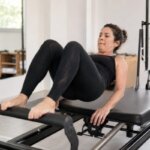
Feel dizzy after Pilates can feel confusing because the class may look slow and controlled, but your body can still react strongly to breathing, position changes, and moving equipment. The useful way to judge it is to separate normal class-related lightheadedness from reformer motion sickness, blood pressure drops, low fuel, and symptoms that mean you should stop.
1. Feel Dizzy After Pilates and What Happened Right Before It
Feeling dizzy after Pilates usually makes more sense when you look at the moment right before the dizziness started. If it happened after lying on your back, doing core work, sitting up, then standing, the trigger is often a position-change issue.
If the dizziness started during focused breathing, the pattern is different. If the feeling started on a reformer, especially while the carriage was moving, the issue may be closer to motion sensitivity than ordinary workout fatigue.
Those patterns should not be judged the same way. Breathing-related lightheadedness, position-change dizziness, and reformer motion sickness each point to a different next step.
2. When Pilates Breathing Starts to Feel Too Controlled
Pilates breathing can make you lightheaded when the breath becomes too forced for your current effort level. This does not mean the breathing method is bad; it means your body may be moving too much air while your core is also bracing.
This is different from simply “not breathing enough.” The problem can be over-controlling the breath, taking large inhales, pushing the exhale too hard, or trying to keep a perfect rhythm during a difficult move.
If the dizziness improves when you stop forcing the breath and breathe normally for a minute, the breathing pattern is probably part of the trigger. This is especially likely if the lightheaded feeling appears during slow core work, focused exhales, or repeated breath cues.
If dizziness mainly follows forced breathing, judge that pattern here: Feel Dizzy After Deep Breathing: CO2, Anxiety, or Warning Sign?
3. Why Position Changes Can Hit After Mat Work
Pilates can make you dizzy when you move from lying down to sitting or standing too quickly. During mat work, your body may spend several minutes close to the floor, then suddenly shift upright for the next exercise or to leave class.
That quick change can briefly reduce blood flow to the head, especially if you are dehydrated, underfed, tired, or already tense. This kind of dizziness often feels like a head rush, fading balance, or brief lightheadedness rather than spinning vertigo.
It usually settles when you sit back down, look at a fixed point, breathe normally, and give your body time before standing again. A dizziness pattern that appears right after getting up should be judged as a transition problem first, not as proof that Pilates is unsafe.
4. When Reformer Pilates Feels Like Motion Sickness
Reformer Pilates can create a different kind of dizziness because your body is moving while your eyes and head may feel relatively still. The carriage slides, the springs change resistance, and your body angle shifts while you are trying to keep control.
If you feel dizzy after reformer Pilates specifically, this pattern may be more about sensory mismatch than ordinary fatigue. You may feel slightly nauseous, visually off, unsteady, or strange when the carriage moves back and forth.
This may be stronger during exercises where your head position changes, your gaze moves, or you switch quickly between lying, kneeling, and sitting. Slowing the carriage, fixing your gaze, raising the head support when appropriate, and taking slower transitions can help you test whether reformer motion is the main trigger.
5. When Low Fuel or Heat Changes the Pattern
Dizziness after Pilates can also come from the wider class setup, not one single exercise. Long core sequences, warm studios, shallow breathing, poor sleep, caffeine without food, low blood sugar, or not drinking enough water can all make a controlled class feel more intense than expected.
A useful clue is whether the dizziness comes with weak legs, nausea, hunger, cold sweat, shakiness, or a hollow feeling after class. That pattern points more toward recovery stress, fuel, hydration, or overall intensity than toward reformer motion alone.
If food, water, cooling down, and sitting quietly improve the feeling, your next class should be adjusted before assuming Pilates itself is the problem. Pilates may look controlled from the outside, but sustained tension and precise movement still create a real physical demand.
If trembling is stronger than dizziness after class, compare it with: Feel Shaky After Pilates: Muscle Fatigue, Breathing, or a Sign to Stop?
6. What to Do Before You Stand Up Again
If you feel lightheaded during Pilates class, do not rush to stand up, walk across the studio, or push into the next exercise. Sit or lie still, keep your head supported if needed, and let your breathing return to a normal rhythm.
Pick one stable point in the room and look at it until the room feels steady again. This helps you avoid turning a short dizzy spell into a balance problem.
For the next few minutes, reduce the variable that most likely caused the dizziness. If it followed breathing cues, stop forcing the breath; if it followed a fast transition, move more slowly from lying to sitting to standing.
If it happened on the reformer, ask for a slower tempo, more head support, or a smaller range. The safest adjustment is the one that lets you regain balance before adding effort again.
7. When the Same Dizziness Keeps Returning
Dizziness after Pilates deserves more caution when it does not behave like a short, class-related reaction. If you feel like you may faint, actually pass out, develop chest discomfort, or have unusual shortness of breath, stop treating it as a normal Pilates response.
You should also be more cautious if dizziness comes with confusion, loss of coordination, weakness, numbness, or symptoms that feel unusual for you. Those signs need more caution than ordinary lightheadedness after movement.
You should stop the exercise if the dizziness keeps returning every class, gets worse with each transition, or does not improve after rest, water, food, and slower movement. Pilates should challenge control, but it should not repeatedly make you feel unsafe, faint, or unable to orient yourself.
If the pattern is frequent, severe, or unpredictable, get proper medical guidance before continuing the same class intensity. This is especially important when the dizziness is new, worsening, or no longer tied to a clear trigger.
8. What to Change in Your Next Pilates Session
The next class should be used as a test, not a repeat of the same overload. Start by changing one variable at a time: eat a small snack before class, hydrate earlier, stand up more slowly, reduce reformer speed, use lighter spring resistance, or tell the instructor that dizziness happened last time.
If the dizziness becomes milder after slower transitions, the main issue was probably position change. If it improves when you stop forcing the breath, breathing intensity was likely the trigger.
If it improves when the carriage moves more slowly or your head is better supported, reformer motion was probably involved. This is the advantage of judging Pilates dizziness by pattern instead of treating every episode as the same problem.
9. The Bottom Line
Feeling dizzy after Pilates is usually easier to judge when you match the dizziness to the trigger: breathing, position change, reformer motion, recovery stress, or warning signs.
- Normal adjustment: brief lightheadedness after a fast transition that settles with sitting and slower movement
- Breathing pattern: dizziness starts during forced Pilates breathing and improves when you breathe normally
- Reformer pattern: nausea, visual unease, or motion-sick feeling appears while the carriage moves
- Recovery pattern: dizziness comes with hunger, shakiness, weakness, heat, dehydration, or poor sleep
- Stop sign: fainting, chest discomfort, severe breathlessness, confusion, neurological symptoms, or dizziness that keeps returning without a clear trigger