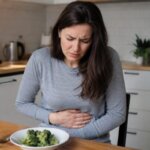
Oysters give me diarrhea is usually not a random reaction, especially if it happens after raw oysters or repeats after the same seafood. The main judgment is whether this looks like food poisoning, shellfish sensitivity, or a handling and cooking issue that needs medical caution.
1. Start With The Timing Before Blaming One Cause
A bathroom reaction after a seafood meal can come from contamination, digestive sensitivity, or the way the food was served. The timing matters because a fast reaction, a next-day reaction, and a repeated pattern do not point to the exact same cause.
The first question is whether this was a one-time event after a risky meal or a pattern that happens whenever you eat the same type of seafood. From there, compare raw versus cooked servings, other symptoms, and whether anyone else who ate the same meal also became sick.
2. When Raw Oysters Make Food Safety The First Concern
Diarrhea after oysters is often a food-safety warning first, especially when the oysters were raw or undercooked. Raw or undercooked oysters can carry bacteria or viruses because they filter water, so contamination may not be obvious by smell, taste, or appearance.
Vibrio, norovirus, Salmonella, and marine biotoxins are the main concerns behind oyster food poisoning diarrhea. This is why diarrhea from raw oysters should not be brushed off as simply having a weak stomach, especially if symptoms start within hours to a couple of days.
3. How To Separate Food Poisoning From Sensitivity
Oyster intolerance diarrhea or oyster sensitivity diarrhea is more likely when the same reaction happens repeatedly, even when the oysters are fresh, cooked, and eaten in a small amount. This pattern may mean your gut does not handle oyster proteins, minerals, texture, or seafood richness well.
Food poisoning is more likely when the reaction feels sudden, unusually intense, or connected to one specific meal, restaurant, raw bar, or batch. If oysters make me sick with stomach cramps after oysters only after one specific meal, contamination becomes more likely than personal sensitivity.
If the pattern is nausea after leftover poultry, compare it with Turkey Makes Me Nauseous? Check Leftovers Before Intolerance.
4. What Raw Versus Cooked Oysters Can Reveal
If raw oysters cause diarrhea but fully cooked oysters do not, raw-shellfish exposure becomes the more important clue. Cooking can reduce many infectious risks, while raw oysters keep the food-safety variable much higher.
If cooked oysters also cause diarrhea after eating oysters, then sensitivity, seafood intolerance, fat from preparation, or another meal ingredient becomes more plausible. Fried oysters, creamy sauces, butter, alcohol, and heavy side dishes can also make the gut reaction look like an oyster problem.
5. When Other Shellfish Changes The Judgment
If shrimp, crab, clams, mussels, or scallops also trigger nausea, diarrhea, or stomach pain, the issue may be broader than oysters alone. A wider shellfish pattern can point toward shellfish sensitivity, allergy risk, or repeated seafood handling problems.
Allergy is not the same as intolerance, and diarrhea alone does not prove a shellfish allergy. But if you get hives, swelling, wheezing, throat tightness, dizziness, or repeated reactions across shellfish, that deserves medical evaluation rather than home testing.
If shrimp causes similar nausea or stomach upset, check Shrimp Makes Me Nauseous? The Timing Clue Changes Everything before blaming oysters alone.
6. What To Do When The Reaction Starts
Start with fluids, especially water, oral rehydration solution, broth, or electrolyte drinks if diarrhea is frequent. If oysters upset my stomach but symptoms are mild, avoid alcohol, very fatty food, and large meals until your gut settles.
Do not automatically use anti-diarrhea medicine if oyster food poisoning is possible, especially when fever, blood, severe cramps, or suspected infection is involved. For mild diarrhea after raw oysters, watch your fluid intake, urine color, symptom timing, and whether the reaction is clearly improving.
7. When Oyster Diarrhea Needs Medical Care
Seek medical care promptly if you have bloody stool, high fever, severe abdominal pain, persistent vomiting, or signs of dehydration. Dark urine, dizziness, extreme thirst, and inability to keep fluids down are stronger warning signs than ordinary stomach upset.
People with liver disease, weakened immune systems, pregnancy, older age, or serious chronic illness should be more cautious after raw oyster exposure. For these groups, intense symptoms after raw oysters should prompt a doctor contact rather than casual home monitoring.
8. Bottom Line
- Diarrhea after oysters is most concerning when it follows raw oysters, undercooked oysters, or a specific restaurant meal.
- Oyster diarrhea can come from Vibrio, norovirus, Salmonella, marine biotoxins, shellfish sensitivity, or the rest of the meal.
- Raw oysters causing symptoms while cooked oysters do not points more toward food-safety risk.
- Repeated reactions every time you eat oysters may suggest oyster sensitivity or intolerance.
- Bloody stool, high fever, severe dehydration, persistent vomiting, severe pain, or symptoms lasting over three days need medical care.