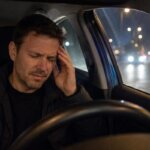
Feel tired after driving can feel strange because you were sitting still, but your mind and body may feel drained once the trip ends. The real judgment is whether this is normal post-drive fatigue, attention overload, cabin-air heaviness, or sleepiness that means you should not keep driving.
1. When the Pattern Fits a Normal Post-Drive Crash
Start by comparing the tiredness with the drive itself: length, traffic, route difficulty, weather, time of day, and how much focus the trip required. If the fatigue appears after a long drive, night driving, heavy traffic, highway monotony, or an unfamiliar route, it usually fits a normal driving-fatigue pattern.
Driving is not passive for your brain. You are tracking speed, lane position, mirrors, brake lights, road signs, pedestrians, other cars, and possible mistakes from other drivers. That constant monitoring can leave you mentally exhausted after driving even when your body did not do obvious physical work.
2. The Line Between Tired and Too Sleepy to Continue
The most important split is not “tired or not tired.” It is whether you still feel alert enough to react quickly. Normal tiredness feels like low energy after the trip, but you can still think clearly, walk normally, and recover with water, food, fresh air, or a short break.
Unsafe sleepiness feels different. If your eyelids feel heavy, your head nods, you miss exits, drift in the lane, keep yawning, or cannot remember parts of the drive clearly, treat that as a stop-driving signal. In that situation, music, caffeine, or opening the window may not be enough to make the drive safe.
3. Why the Fatigue Often Hits After You Park
Some people feel alert while driving and only crash afterward. That happens because the road forces your attention to stay active, and once the trip ends, your brain finally registers the load it was carrying.
This is especially common after highway driving, tired after commuting days, bad weather, or long periods of scanning traffic. You may feel exhausted after driving because your brain spent the whole time predicting movement, correcting small steering changes, checking mirrors, and staying ready for sudden decisions. The effort is quiet, but it still adds up.
4. When Visual Load or Cabin Air Changes the Feeling
If the tiredness comes with heavy eyes, forehead pressure, dry eyes, glare sensitivity, or a dull overloaded feeling, visual strain is probably part of the pattern. Headlights, rain reflections, fast-moving traffic, lane markings, mirrors, dashboard lights, and screen-like focus on the road can make fatigue after driving feel stronger than ordinary tiredness.
Cabin conditions can make the same drive feel heavier. Warm air, poor ventilation, recirculated air, dehydration, and sitting still for a long time can make you feel sleepy after driving or unusually sluggish when you get out of the car. If fresh air, water, movement, and cooling down help quickly, the fatigue likely comes from the driving environment plus attention drain.
If the tiredness feels more blank than sleepy, make your next comparison with Feel Foggy After Driving: Highway Hypnosis, Eye Strain, or Cabin Air?
5. The Type of Drive Changes the Cause
A long straight highway can make you tired because the scenery barely changes while your brain still has to stay alert. That mix of low stimulation and constant attention is why people often feel tired after highway driving even when nothing stressful happened.
City driving creates a different kind of drain. Stop-and-go traffic, pedestrians, turning decisions, lane changes, parking, noise, and visual clutter can make you feel drained after driving because your brain had to process too many small decisions in a short time. The keyword may be the same, but the fatigue pattern is not.
If driving leaves you drained by crowds and visual clutter, compare the same pattern here: Feel Tired After Grocery Shopping: Sensory Load, Bags, or Crowds?
6. Recovery Speed Tells You What Category It Belongs In
Normal post-drive fatigue should start easing after you stop, move around, drink water, eat if needed, cool down, and rest your eyes. You may still feel low-energy for a while after a demanding drive, but the direction should be toward recovery.
Pay closer attention if the tiredness happens after short easy drives, lasts for hours without improving, keeps returning every time you drive, or feels stronger than the drive explains. Take it more seriously if the tiredness comes with fainting, severe dizziness, confusion, chest pain, weakness, vision changes, or any feeling that you cannot safely control the car.
7. What to Change Before the Next Drive
Before your next long drive, check the factors that make driving fatigue worse: poor sleep, low food intake, dehydration, heat, heavy meals, alcohol, medication effects, and driving during your usual sleepy hours. These do not always cause the whole problem, but they lower your margin for staying alert.
During the drive, use breaks before you are fully drained, not only after you already feel exhausted. A useful reset is to stop somewhere safe, get out of the car, walk for a few minutes, stretch your neck and shoulders, drink water, and let fresh air into the cabin. If you still feel sleepy, heavy-eyed, or slow to react after that, treat it as unsafe drowsiness and do not restart the drive yet.
8. The Bottom Line
Feeling tired after driving is usually normal when it follows a demanding drive and improves with recovery, but it becomes a safety issue when it feels like sleepiness, delayed reaction, or loss of alert control.
- Normal: tired after a long, stressful, hot, visually demanding, or unfamiliar drive.
- More likely attention load: mentally drained, slow, or low-energy after traffic or highway focus.
- More likely environment-related: tiredness improves with fresh air, water, movement, or cooling down.
- More concerning: heavy eyelids, nodding off, lane drifting, confusion, severe dizziness, chest pain, or weakness.
- Best rule: if you feel too sleepy to react quickly, stop driving safely before trying to recover.