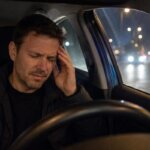
Feel dizzy after singing can be unsettling because singing feels expressive, not like something that should make your head light or strange. The key is to judge whether it comes from breath stacking, tense vocal effort, posture, blood pressure changes, or a warning sign that should not be ignored.
1. Feel Dizzy After Singing During a Song
Feeling dizzy after singing usually happens when your breathing pattern changes faster than your body can comfortably handle. Singing is not the same as quiet breathing. You may inhale quickly, hold air through a phrase, push sound out with force, then inhale again before your body has fully settled.
The first clue is timing. If the dizziness starts while singing, improves when you stop, and mostly happens during long phrases, high notes, or intense practice, it usually points to breathing technique, CO2 change, posture, or vocal strain. If it happens randomly, keeps getting worse, or comes with fainting, chest pain, irregular heartbeat, severe shortness of breath, or neurological symptoms, treat it as more than a normal singing reaction.
2. Why Singing Can Make You Lightheaded
Singing can make you lightheaded when you inhale more often than you exhale naturally. This is easy to do when you are trying to keep up with a fast song, sing along to a recording, rap a long section, or prepare for a difficult high note. Instead of breathing quietly between phrases, you start grabbing air.
That pattern can lower carbon dioxide enough to create a head-rush feeling. Some people describe it as being dizzy while singing, feeling lightheaded while singing, or feeling like their head gets weird after singing. The feeling may come with tingling around the lips, fingers, or face, especially if the breathing becomes more forceful.
3. Breath Stacking and CO2 During Long Phrases
Breath stacking happens when you keep adding new inhales before fully releasing the previous breath. It often shows up during long phrases, fast lyrics, emotional singing, or songs where you are trying not to miss a line. You may feel like you need more air, but the real problem is that your breathing rhythm is becoming crowded.
This is why “take a deeper breath” is not always the right fix. A bigger inhale can make dizziness worse if you are already over-breathing. A better test is to sing the same section more quietly, take smaller inhales, and allow a relaxed exhale before the next phrase.
If you feel dizzy after singing high notes, the issue is often not the note itself but the way you prepare for it: a huge inhale, a braced stomach, a tight neck, and too much pressure at once. Many singers instinctively take a huge breath before a high note, tense the neck, brace the stomach, and push harder. That combination can change breathing, pressure, and muscle tension at the same time, which makes the dizziness feel more dramatic.
4. When Vocal Strain Changes the Feeling
Vocal strain can make singing dizziness feel different from simple over-breathing. Instead of only feeling lightheaded, you may also notice throat tightness, neck pressure, jaw tension, headache, or a strained feeling after singing. This often means you are using effort in the wrong places.
The clue is where the effort lands. If your throat, neck, jaw, shoulders, or upper chest feels like it is doing most of the work, your body is probably compensating. Singing should use coordinated breath and resonance, not a squeezed throat or locked upper body.
If voice fatigue is the main pattern after practice sessions, compare it with Feel Tired After Talking a Lot: Voice Fatigue or Social Drain?
5. Posture and Blood Pressure During Singing
Posture matters because many people sing while standing still, locking their knees, lifting the chest, or holding tension through the body. Locked knees can make you feel less stable, especially during longer practice sessions. If you are already dehydrated, underfed, nervous, or standing in a warm room, the lightheaded feeling can appear faster.
A useful test is to sit down, loosen your knees and shoulders, take smaller breaths, and sing at lower intensity. If the dizziness settles quickly, the trigger is probably the singing setup. If it continues even after you stop, or it appears outside singing too, do not blame it only on technique.
6. Anxiety and Performance Pressure in the Background
Anxiety can make singing-related dizziness stronger because singing exposes your breathing, voice, and body sensations at the same time. You may start watching every breath, every note, and every odd head sensation. Once that monitoring begins, a small physical reaction can feel much bigger.
This pattern often becomes a loop. You sing, feel slightly lightheaded, worry that something is wrong, breathe more forcefully to correct it, then feel even more dizzy. The body is reacting to both breathing change and fear, which is why the same song may feel fine one day and uncomfortable on a more anxious day.
7. When Dizziness After Singing Needs More Caution
Dizziness after singing needs more caution when it does not behave like a short, trigger-based reaction. A brief lightheaded feeling during intense singing that fades after rest is very different from nearly fainting, actually passing out, or feeling chest pain while singing. Feeling faint after singing deserves more caution than mild lightheadedness, especially if you have to sit down quickly, lose balance, or feel close to passing out.
Use a stricter standard if the dizziness comes with warning signs:
- You faint or feel close to fainting.
- You have chest pain, pressure, or an irregular heartbeat.
- You feel severe shortness of breath that does not settle after stopping.
- You develop one-sided weakness, confusion, trouble speaking, or new neurological symptoms.
- The dizziness keeps returning even when you are not singing.
- It happens during mild singing, normal talking, or light activity.
The most important split is predictable versus unpredictable. Predictable dizziness during hard singing, breath stacking, or locked posture usually points to technique, CO2 change, or strain. Unpredictable, severe, recurring, or symptom-heavy dizziness should be checked properly instead of treated as normal practice discomfort.
If forceful breathing also leaves you weak after laughing, compare the same pressure-warning pattern: Feel Weak After Laughing Hard: Normal Laughter Crash or a Warning Sign?
8. What to Do When Singing Makes You Dizzy
The first step is to stop singing and sit down. Do not try to fix the dizziness by taking huge breaths. If over-breathing is part of the problem, bigger inhales keep the cycle going, so let your breathing become quiet before testing your voice again.
When you return to singing, lower the intensity. Use smaller inhales, release extra air before long phrases, soften the volume, and avoid gripping your throat or stomach. Keep your knees unlocked and your shoulders relaxed.
For practice, use comfort as the test. A useful singing technique should make your voice feel steadier, not more strained, dizzy, or panicky. If one song repeatedly makes you lightheaded, slow it down, mark breathing points, and reduce effort before assuming you need more air.
9. Key Takeaway
Feeling dizzy after singing is usually a sign that your breathing, vocal effort, posture, or nervous system response is being pushed too hard for that moment.
- Dizziness during long phrases or fast songs often points to breath stacking.
- Lightheadedness with tingling or a floaty feeling often points to over-breathing and CO2 change.
- Dizziness with throat, neck, jaw, or headache symptoms often points to vocal strain.
- Dizziness while standing stiffly can involve posture, locked knees, hydration, or blood pressure.
- Fainting, chest pain, irregular heartbeat, severe breathlessness, neurological symptoms, or dizziness outside singing should not be treated as normal practice discomfort.