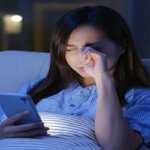
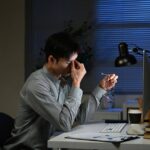
Feel dizzy after fluorescent lights can be unsettling because the trigger feels specific, but the sensation is not always easy to explain. The key is to judge whether the dizziness comes mainly from glare and flicker, eye strain, visual-motion sensitivity, or a repeat pattern that deserves a closer check.
1. Feel Dizzy After Fluorescent Lights: What Changes Under This Kind of Light
Fluorescent lighting can create a harsher visual environment than softer natural or warm lighting. The brightness often comes from above, the color temperature can feel cold, and the light may reflect off floors, desks, shelves, screens, or white walls. Even when you do not consciously notice flicker, your eyes and brain may still work harder to keep the scene stable.
That extra visual work matters because dizziness is not only an inner-ear issue. Your balance system uses input from your eyes, inner ears, muscles, and nervous system at the same time. If dizziness appears mainly under harsh indoor lighting and eases after you leave, the lighting environment is a real trigger to consider.
2. When Flicker and Glare Start the Dizzy Feeling
Some fluorescent lights create subtle flicker or glare that your brain has to smooth out continuously. You may not see the light blinking, but your visual system may still react to unstable input. This is one reason people ask whether fluorescent lights can cause dizziness even when the light does not visibly blink.
Glare can make the problem stronger. Bright overhead tubes, shiny floors, glossy counters, glass doors, and computer screens can bounce light into your eyes from multiple angles. A useful test is to step away from the fluorescent area for a few minutes and look at something still, matte, and farther away; if the dizziness drops quickly, glare or flicker is likely part of the reaction.
3. When Eye Strain Turns Into Lightheadedness
Eye strain under fluorescent lights usually starts with tired eyes, dry eyes, forehead pressure, blurry focus, or trouble concentrating. After that, some people begin to feel slightly dizzy or lightheaded. This does not mean the eyes alone are “causing” dizziness in a simple way; it means your visual system may be working hard enough to disturb your sense of steadiness.
This pattern is common when fluorescent lights combine with screens. A laptop, phone, or monitor already asks your eyes to focus at a fixed distance, and overhead glare adds another layer of visual stress. If dizziness comes with eye pressure, blurry focus, dry eyes, or a dull headache, treat visual strain as the first suspect.
4. When the Room Feels Visually Unstable
Sometimes the dizziness is not just “lightheaded.” It may feel like the room is too busy, the floor is slightly moving, or your brain cannot settle on one stable point. This is closer to a visual-motion sensitivity pattern, where fluorescent lights matter, but shelves, crowds, reflections, patterns, and movement make the dizziness stronger.
This is why big stores can feel worse than a small room with the same type of lighting. In a supermarket or warehouse store, your brain has to process bright overhead lights, long aisles, stacked products, moving people, carts, signs, and reflections at the same time. If you feel dizzy in store lights but not in a calm room, the trigger may be visual load rather than brightness alone.
If store lights feel worse than quiet rooms, compare the pattern with Feel Dizzy in Grocery Store: Sensory Overload, Anxiety, or Blood Sugar?
5. When Migraine or Vestibular Sensitivity Changes the Pattern
Fluorescent lights can become a stronger trigger if you already have migraine sensitivity, vestibular symptoms, concussion history, strong motion sensitivity, or frequent light sensitivity. In this pattern, dizziness may come with headache, nausea, eye pain, sound sensitivity, visual discomfort, or a need to avoid bright indoor spaces.
The timing may also be different. Simple eye strain often builds gradually and improves after a break, while migraine-like or vestibular patterns may feel more intense, last longer, or appear faster than expected. If fluorescent lights repeatedly cause dizziness, nausea, headache, balance trouble, or visual disturbance, it is worth discussing the pattern with a clinician, eye doctor, or vestibular specialist.
6. When It Is Dizziness, Not Just a Weird Feeling
There is a difference between feeling strange under fluorescent lights and feeling genuinely dizzy. A vague weird feeling may include discomfort, tension, brain fog, irritability, or feeling “out of it.” Dizziness is more specific: you may feel lightheaded, unsteady, off balance, visually pulled, or like the room is not staying still.
That distinction matters because the decision path changes. If fluorescent lights make me dizzy is the main pattern, the focus should stay on steadiness, balance, visual motion, and lightheadedness. If the main problem is discomfort, unease, or a vague “something feels wrong” reaction, the fluorescent light may still matter, but the judgment should not be the same.
If it feels strange but not balance-related, use the separate guide for that pattern Feel Weird After Fluorescent Lights: Eye Strain or Anxiety?
7. What to Do When the Dizziness Starts
The first step is to reduce visual load, not to force yourself to push through the lighting. Sit down if you feel unsteady, look at one fixed object, turn away from reflective surfaces, and move toward natural light or a dimmer area if possible. Give your eyes and balance system a few minutes to settle before deciding whether the symptom is improving.
Then check the surrounding conditions. Fluorescent lights may be the main trigger, but skipped meals, dehydration, poor sleep, caffeine, long screen use, or standing too long can lower your tolerance. If the dizziness happened in a store, office, school, or clinic after a long day, the trigger may be the combination of lighting plus a tired nervous system.
If the dizziness improves within a few minutes after leaving the light, treat the lighting as the main trigger. If it continues in softer light, check sleep, food, hydration, blood pressure, migraine tendency, or vestibular factors next.
8. When This Pattern Deserves a Proper Check
A mild, short-lived reaction that improves after leaving fluorescent lights usually points toward visual strain, glare sensitivity, or sensory overload. That pattern is annoying, but it gives you a practical direction: reduce the visual trigger, take breaks, and adjust the environment where you can.
The concern rises when the same lighting trigger repeatedly causes balance trouble, migraine-like symptoms, or symptoms that remain after you leave the fluorescent area. Get checked if the dizziness is intense, affects balance, appears with new or severe headache, includes fainting, vision loss, chest pain, one-sided weakness, trouble speaking, or sudden neurological symptoms. If the dizziness is fast, repeatable, disabling, or paired with migraine-like symptoms, do not treat it as simple annoyance.
9. Key Takeaway: How to Judge Dizziness Under Fluorescent Lights
Feeling dizzy under fluorescent lights usually means your visual system, balance system, or nervous system is reacting to a harsh indoor environment.
- If it improves quickly after leaving the light, glare or flicker is the likely trigger.
- If it comes with dry eyes, blurry focus, or forehead pressure, start with eye strain.
- If busy stores or moving crowds make it worse, visual-motion sensitivity may be involved.
- If headache, nausea, or balance symptoms repeat, consider migraine or vestibular sensitivity.
- If symptoms are sudden, severe, or neurological, get medical help instead of blaming the lights.