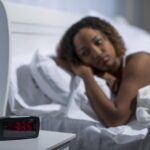
Feel anxious when trying to nap can be frustrating because you are trying to recover, not create another problem. The key is to judge whether the anxiety comes from low sleep pressure, the effort to control sleep, or a stress pattern that makes quiet rest feel unsafe.
1. Start with the moment your body changes
The first thing to notice is when your body shifts from tired to alert. If the anxiety appears before sleep, while forcing the nap, or mainly after waking, each pattern points to a different next step.
This article focuses on the first two moments: anxiety before a nap and anxiety that builds while trying to make the nap happen. If the main problem appears after waking, that belongs to a different nap pattern and should be judged separately.
2. When rest starts feeling like a task
Anxiety when trying to nap often begins when rest stops feeling optional. You may lie down thinking, “I need to fall asleep now or the rest of the day is ruined.” That turns a short rest into a performance test, and the body responds as if something important is being watched.
This is why you can be tired but still unable to nap. The more you check whether sleep is coming, the more alert you become. You start noticing your heartbeat, breathing, room noise, time left, and every small body sensation. At that point, the problem is not just tiredness; it is sleep effort turning into body scanning.
3. The control loop that keeps the body alert
The control loop usually has a clear pattern. You lie down, try to relax, notice you are still awake, then push harder to become calm. That extra effort tells the nervous system that the nap matters too much, so your body stays on guard instead of drifting.
This can make “trying to nap makes me anxious” feel different from ordinary daytime restlessness. The anxiety may not start with a specific worry. It can start with checking: Am I sleepy yet? Is my heart too fast? Am I wasting time? Will I wake up worse? The more you measure the nap, the less your body treats it as rest.
This is also why “why do I feel anxious when I try to nap?” is often less about the nap itself and more about the effort to control it. A better target is not “fall asleep fast.” The better target is rest without proving that you slept.
4. When your body is tired but not sleep-ready
Sometimes the issue is not anxiety first; it is low sleep pressure. If you are not sleepy enough, your body may resist sleep even if your mind wants a reset. Then the gap between “I should nap” and “my body is not sleeping” creates frustration, which turns into anxious alertness.
This is common if the nap is too early, too late, too long-planned, or taken because you feel mentally overloaded rather than truly sleepy. You may feel drained, but drained does not always mean sleep-ready. If your eyes are heavy and you keep drifting, a short nap may fit; if you feel wired, tense, restless, or focused on whether the nap is working, a no-sleep rest period usually fits better.
5. When quiet rest makes stress feel louder
Daytime nap anxiety can also appear because the room gets quiet and the mind has fewer distractions. During work, errands, screens, or conversation, your attention has somewhere to go. When you lie down, unfinished thoughts can suddenly feel louder.
This does not mean the nap is dangerous or that something is wrong with you. It means the nervous system may still be carrying stress into a low-stimulation setting. The stronger clue is whether the anxiety follows stressful days, social pressure, deadlines, caffeine, poor sleep, or too much screen stimulation.
6. The nap setup that quietly raises pressure
A nap can become harder when the setup creates pressure before you even close your eyes. A harsh alarm, a narrow time window, a bright room, uncomfortable clothes, a warm room, or the fear of waking groggy can all make the body stay alert.
This is why “can’t nap because of anxiety” often improves when the goal changes from sleep to a timed rest. Set a 15–20 minute window, keep the room comfortable, and remove the expectation that you must fall asleep. Do not keep checking the clock, testing your breathing, or turning the nap into a technique session. If the nap requires too much control, it is no longer a nap.
If dizziness or grogginess is the fear after short rests, check Wake Up Dizzy From a Nap: Standing Up, Nap Length, or Blood Pressure?
7. If the anxiety belongs to waking up instead
There is one important separation. If you feel mostly fine while lying down but wake from the nap anxious, foggy, disoriented, nauseous, or with a racing heart, that is a different pattern. That points more toward nap length, sleep inertia, wake-up timing, or the body’s alerting response after sleep.
In that case, the next judgment is not about forcing sleep. It is about what happens during the wake-up transition and whether the nap was too long, too deep, or poorly timed.
If anxiety starts mainly after waking, judge the wake-up pattern and sleep inertia next: Wake Up From a Nap Feeling Anxious: Sleep Inertia or Warning Sign?
8. A better way to handle nap-time anxiety
The best response is to lower the stakes before your body starts fighting the nap. Decide in advance that the goal is 15–20 minutes of quiet rest, not guaranteed sleep. That removes the pressure loop before it starts.
Try this structure when nap anxiety shows up:
- Set one short rest window.
- Lie down only if you are actually sleepy or physically drained.
- Let your eyes close without checking whether sleep is coming.
- Use quiet rest as the goal, not sleep success.
- Get up when the timer ends, even if you did not sleep.
- Avoid immediately judging the rest as a failure.
If your body stays tense, switch from “nap mode” to “rest mode.” Sit back, close your eyes, use dim light, or listen to something calm without trying to fall asleep.
9. When the pattern deserves more attention
Nap-time anxiety deserves more attention when it becomes frequent, intense, or starts changing your routine. Occasional nervousness during a nap attempt is different from avoiding all daytime rest because lying down feels threatening. Repetition matters more than one strange episode.
It deserves more caution if the anxiety comes with strong panic-like episodes, chest pain, faintness, severe shortness of breath, or a feeling that you cannot safely settle. Those signs do not prove a specific condition, but they are stronger than ordinary nap frustration. In that case, do not treat it as only a nap habit problem.
10. The Bottom Line
Feeling anxious when trying to nap is usually less about the nap itself and more about sleep pressure, control effort, stress load, or the way your body reacts when activity suddenly drops.
- Anxiety before the nap points more toward pressure, stress, or body scanning.
- Anxiety that grows while forcing sleep points toward a control loop.
- Low sleep pressure can make you tired but not sleep-ready.
- A short rest window works better than trying to guarantee sleep.
- If anxiety mainly appears after waking, judge sleep inertia and nap timing instead.
- If the pattern is intense, repeated, or physically alarming, treat it as more than a nap habit issue.