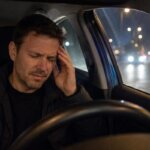
Feel dizzy after public speaking can feel confusing because the speech is already over, but your body may still feel lightheaded, shaky, weak, or unreal. The key is to judge whether the dizziness came from breathing changes, anxiety arousal, standing still, skipped food, or a pattern that does not fit normal nerves.
1. Feel Dizzy After Public Speaking: What the Timing Can Reveal
Feeling dizzy after public speaking usually makes more sense when you look at when it started. If the dizziness begins near the end of the speech or shortly after you sit down, it often points to the body shifting out of a high-alert state. During the speech, you may have been standing still, breathing unevenly, tightening your shoulders, locking your knees, or pushing through nerves without noticing how much physical effort that required.
The after-effect can feel like a head rush, lightness, weakness, shaky legs, or a floating sensation. This does not automatically mean something serious happened. It often means your nervous system, breathing rhythm, circulation, and energy level changed quickly around the same moment.
The pattern needs more caution when the dizziness is not clearly tied to the speech, keeps getting worse, causes fainting, or comes with chest pain, severe shortness of breath, confusion, one-sided weakness, or an irregular heartbeat. A brief lightheaded feeling after a stressful presentation is different from dizziness that feels severe, unpredictable, or physically unusual.
2. Why a Presentation Can Leave You Lightheaded
A presentation can leave you lightheaded because public speaking is not only a mental task. Your body may treat it like a threat, even if you know you are only speaking in front of people. Heart rate can rise, muscles can tighten, breathing can move higher into the chest, and attention can narrow toward the audience, your voice, your mistakes, or how your body feels.
When the speech ends, that activated state does not always switch off smoothly. Some people feel dizzy right when they relax because the body is moving from “perform and stay alert” into “release and recover.” That drop can feel like weakness, shakiness, warmth, brain fog, or a short wave of lightheadedness.
This is why you may feel dizzy after giving a presentation even if you seemed calm while speaking. While speaking, adrenaline can keep you focused and upright. Afterward, once the pressure is gone, you may finally notice the effects of tension, shallow breathing, thirst, hunger, or standing still.
3. When Breathing Changes Become the Main Clue
Breathing is one of the biggest clues when dizziness feels floaty, tingly, buzzy, or unreal. During public speaking, many people breathe just enough to keep talking, but not in a steady rhythm. You may hold your breath before difficult sentences, rush through phrases, take big recovery breaths, or breathe high in the chest without realizing it.
This can create a mild over-breathing pattern or an uneven breathing pattern. The dizziness may not feel like spinning vertigo. It may feel more like lightheadedness, detached awareness, tingling around the hands or face, or a sense that your head is too light. If the feeling eases when you sit down, stop talking, and breathe quietly, breathing was probably part of the trigger.
The main mistake is trying to fix this with repeated huge breaths. If your body is already over-alert, forced breathing can make the sensation stronger. Smaller, quieter breathing usually works better than dramatic breathing.
For the breathing-specific pattern, compare tingling, floatiness, and forced inhales more closely with Feel Dizzy After Deep Breathing: CO2, Anxiety, or Warning Sign?
4. How Anxiety and Adrenaline Can Hit After the Speech
Public speaking anxiety can keep your body activated before and during the presentation. You may feel tense, alert, dry-mouthed, sweaty, shaky, or hyper-focused. Even if you look calm from the outside, your body may still be using a lot of effort to stay controlled.
After the speech, the adrenaline shift can feel like a crash. Some people describe it as dizziness, weakness, trembling, exhaustion, or a sudden need to sit down. This does not mean the speech harmed you. It means the body was running in a high-alert mode and is now trying to settle.
This pattern is more likely when the dizziness comes with shaky hands, weak legs, body warmth, emotional relief, or tiredness after the presentation. It is also more likely if you were worried for hours beforehand, slept poorly, practiced intensely, or spent the whole speech monitoring your voice and body.
5. When You Feel Shaky After Public Speaking Too
If you feel shaky after public speaking too, that detail matters. Shakiness often points more toward adrenaline, skipped food, caffeine, muscle tension, or shallow breathing than a completely separate problem. The body can keep trembling for a while after the social pressure has passed.
A useful way to judge it is to ask what came with the shaking. Shaky plus hunger, sweating, and weakness points more toward food or blood sugar timing. Shaky plus tingling, air hunger, and floatiness points more toward breathing. Shaky plus racing thoughts and fear of losing control points more toward anxiety arousal.
The pattern is usually less concerning when the shakiness appears after a clear stressful speech, improves with sitting, fluids, food, and quiet breathing, and does not come with fainting or severe symptoms. It is more concerning when the shaking is intense, one-sided, paired with confusion, or happens repeatedly outside stressful situations.
If the trembling becomes the main symptom, separate dizziness from post-speech shaking here: Feel Shaky After Public Speaking: Adrenaline, Breathing, or Blood Sugar?
6. Food, Caffeine, and Standing Still Before a Speech
Dizziness after a presentation can be stronger if you skipped food, drank extra coffee, or stood still for a long time. Many people avoid eating before public speaking because they feel nervous or do not want stomach discomfort. That can backfire if the speech is long, stressful, or scheduled after several hours without food.
Caffeine can also make the pattern sharper. It may help you feel alert, but it can increase shakiness, heart awareness, dry mouth, and nervous energy. If you combine caffeine with little food, poor sleep, and public speaking stress, dizziness after the speech becomes easier to trigger.
This is also why some people feel weak after public speaking, especially when they skipped food, drank coffee, and stood still for the whole presentation. Locking your knees, standing rigidly, wearing tight clothes, or barely moving during the speech can make lightheadedness more noticeable. This is especially true when the room is warm, you are dehydrated, or you have been holding tension in your legs and abdomen.
7. How to Read the Normal Stress Pattern
A normal stress-related pattern usually has a clear story. You felt nervous before or during the speech, the dizziness started during the presentation or soon after, and the feeling gradually improved once you sat down, drank water, ate something light, or breathed normally. The symptoms may feel uncomfortable, but they move in the right direction.
This pattern often includes lightheadedness, mild shakiness, dry mouth, tiredness, weak legs, or a brief wave of unreality. If you feel faint after public speaking but recover quickly after sitting down, timing and recovery matter more than the fear itself. The pattern does not usually keep escalating after the event is over or appear randomly on calm days with no public speaking, anxiety, standing, breathing change, or missed meal.
The practical test is recovery. If you feel steadier within several minutes to an hour and the dizziness clearly matches the stressful speaking situation, it is more likely a temporary body response. If it keeps returning, becomes stronger, or makes you afraid of standing, speaking, eating, or leaving the room, the pattern deserves more attention.
8. What to Do Right After the Dizziness Starts
The first step is to sit down. Do not try to prove you are fine by standing rigidly, walking fast, or forcing yourself to keep talking if you feel close to fainting. Sitting lowers the risk of falling and gives your body a chance to reset.
Then make the basics boring and steady. Sip water, loosen your posture, let your shoulders drop, and breathe quietly through your nose if that feels comfortable. If you have not eaten for several hours, a small snack can help, especially if the dizziness comes with shakiness, sweating, or weakness.
Avoid overcorrecting. Do not take repeated huge breaths, drink more caffeine, or keep checking your pulse every few seconds. Those actions can keep your body in alert mode and make a normal after-speech sensation feel more threatening than it is.
9. How to Prepare Before the Next Presentation
Before your next presentation, focus less on eliminating nerves and more on reducing the physical triggers that make dizziness easier. Eat something light if the speech is not right after a meal. Drink water earlier instead of chugging it at the last minute. Keep caffeine moderate if it usually makes you shaky.
During the speech, avoid locking your knees. Shift your weight slightly, keep your posture relaxed, and pause between sections instead of rushing through every sentence. A slower pace helps both your audience and your breathing rhythm.
Breathing should feel quiet, not dramatic. Instead of taking huge “calming” breaths, use smaller breaths and longer natural pauses. If you practice only one thing, practice speaking with relaxed pauses so your body does not treat every sentence like something to survive.
10. When Post-Speech Dizziness Needs More Attention
Dizziness after public speaking needs more attention when it does not behave like a simple stress response. Fainting, near-fainting that keeps repeating, chest pain, severe shortness of breath, irregular heartbeat, confusion, one-sided weakness, or dizziness that feels clearly different from your usual nervous reaction should not be brushed off as stage fright.
Also pay attention if the dizziness starts happening in many different situations, not only public speaking. If it appears while exercising, driving, standing up, or doing ordinary tasks, the presentation may not be the real cause. It may simply be the moment when you noticed the symptom most clearly.
Repeated avoidance matters too. If fear of getting dizzy makes you avoid speaking, meetings, classes, interviews, or work situations, the physical symptom and the anxiety cycle are now feeding each other. At that point, it is worth addressing both the body pattern and the fear of the pattern returning.
11. Key Takeaway
Feeling dizzy after public speaking is usually a temporary stress-body reaction when it follows a clear presentation trigger and improves with sitting, steady breathing, fluids, food, and recovery.
- More likely normal: lightheadedness, mild shakiness, weak legs, or tiredness that starts around the speech and gradually settles.
- More likely breathing-related: floaty dizziness, tingling, air hunger, or dizziness that worsens with forced deep breaths.
- More likely food or caffeine-related: shakiness, sweating, weakness, or dizziness after skipping food or drinking extra coffee.
- More concerning: fainting, chest pain, severe breathlessness, confusion, one-sided weakness, irregular heartbeat, or dizziness that keeps happening outside public speaking.
- Best next step: judge the timing first, then separate breathing, adrenaline, standing posture, food, and warning signs.