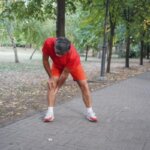
Feel shaky after stretching can be confusing because stretching is supposed to make your body feel looser, not leave your legs trembling or your muscles quivering. The useful way to judge it is to separate a normal stretch reflex from muscle fatigue, poor fueling, and warning signs that mean you should stop.
1. Feel Shaky After Stretching and the First Clue to Check
Shaking after stretching usually starts as a control problem, not a mystery symptom. Your muscles, nerves, and balance system are trying to hold a position at the edge of your current range. If the stretch is deep, unfamiliar, or held too long, the muscle may tremble because your body is working harder than it looks from the outside.
The first clue is timing. If your leg shakes while you are inside the stretch, the position is probably too intense, too deep, or too hard to control. If you feel shaky after coming out of the stretch, the cause may be muscle fatigue, standing up too fast, low blood sugar, dehydration, or general nervous system load.
2. Why Muscles Shake During a Stretch
A muscle can shake during stretching because the body is trying to protect the tissue from being pulled too far. When you stretch, receptors inside the muscle sense length and tension. If the stretch becomes too strong or too sudden, the muscle may briefly contract against the stretch, which can create that shaking, pulsing, or tug-of-war feeling.
This is why many people notice leg shaking during hamstring stretches, hip stretches, calf stretches, split-like positions, or deep yoga holds. It does not always mean something is wrong. It often means the stretch is close to your current limit, especially if the shaking stops when you ease out slightly and breathe normally. This is also why people search for why their leg shakes when they stretch, even when the stretch does not feel painful.
3. Muscle Fatigue, Deep Holds, and Post-Stretch Trembling
Post-stretch trembling can also come from muscle fatigue. A long static hold may look passive, but your body still has to stabilize the joint, control the range, and keep you from collapsing into the position. If the supporting muscles are tired, weak, cold, or not used to that angle, they may quiver after the hold ends.
This is common after deep lower-body stretches, long hip openers, intense mobility sessions, or stretching after a workout. The key difference is that fatigue-related shaking usually feels like weakness, wobbliness, or muscle tiredness rather than sharp pain, numbness, or a spreading nerve sensation.
If heavy tiredness follows the shaky feeling, compare the pattern with Feel Tired After Stretching: Normal Relaxation or Overdoing It? before stretching harder.
4. Empty Stomach, Low Blood Sugar, and Body Shakes After Stretching
Sometimes the stretch is not the only trigger. If you stretched after skipping meals, exercising, drinking too much caffeine, or going a long time without food, the shaky feeling may be partly related to low fuel. In that case, the body shakes after stretching because the session added one more demand to a system that was already running low.
This pattern often feels more whole-body than local. Instead of one hamstring or calf quivering, you may feel shaky, weak, sweaty, slightly anxious, or unsteady. It is more likely when stretching happens after a workout, early in the morning, late at night, or after a long gap between meals.
5. When Shaking Starts to Mean You Are Pushing Too Hard
The line between normal shaking and pushing too hard is not based on whether the muscle trembles at all. The better question is whether the shaking eases when you reduce the stretch. If it settles quickly after you back off, bend the knee, shorten the hold, or come out of the position, the stretch was probably too intense for that moment.
Use these criteria as the main split:
- Normal pattern: mild shaking during a deep stretch that stops when you ease out
- Too intense: shaking gets stronger the longer you hold the position
- Fatigue pattern: trembling appears after long holds or after stretching tired muscles
- Fuel pattern: shakiness comes with hunger, sweating, weakness, or caffeine use
- Stop pattern: shaking comes with dizziness, faintness, numbness, sharp pain, or loss of control
If your leg shakes when you stretch but you can breathe, stay steady, and reduce the shaking by backing off, you usually do not need to force the position. The better move is to treat the shaking as feedback. Your body is telling you where today’s useful range ends.
6. How to Adjust the Stretch Before It Turns Into Trembling
Start by reducing intensity before assuming you need a completely different routine. A smaller range, shorter hold, warmer muscles, and slower breathing can make the same stretch feel much more controlled. You should feel tension, not a fight for stability.
The practical adjustment is simple: back out of the stretch until the shaking drops, avoid bouncing, breathe normally, and shorten long static holds if trembling builds over time. Warm up with light movement before deep stretching, stand up slowly after floor stretches, and eat or hydrate first if you often feel shaky during low-fuel moments. A stretch that leaves you steady afterward is more useful than a deeper stretch that makes your body feel unstable.
7. Warning Signs to Check Before You Keep Stretching
You should stop stretching if the shaking changes into a warning pattern. That includes trembling with faintness, chest discomfort, shortness of breath, spreading numbness, one-sided weakness, severe dizziness, vomiting, or a feeling that you cannot safely control your body. Those signs are not the same as ordinary muscle quivering during a difficult stretch.
Also be more cautious if the reaction repeats after very light stretching. If a gentle stretch consistently makes you shaky, weak, dizzy, or neurologically strange, the issue may not be normal flexibility work. In that case, stop pushing the movement and get proper medical or physical therapy guidance before repeating the same trigger.
If shaking feels more strange than muscular, use this next step to separate pressure, nerves, and warning signs: Feel Weird After Stretching: Blood Pressure, Nerves, or a Warning Sign?
8. Final Takeaway
Feeling shaky after stretching is usually manageable when it is brief, mild, and clearly linked to a deep stretch, muscle fatigue, or low fuel.
- Normal: brief muscle shaking that eases when you reduce the stretch
- Too much: trembling that builds as you force the position
- Fatigue: shakiness after long holds, tired muscles, or deep mobility work
- Fuel-related: whole-body shakiness with hunger, sweating, caffeine, or weakness
- Stop and check: dizziness, faintness, numbness, sharp pain, one-sided weakness, or loss of control