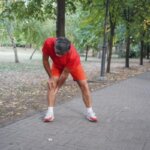
Feel weird after stretching can be unsettling because stretching is supposed to make your body feel looser, not woozy, tingly, shaky, or spaced out. The useful judgment is whether the feeling matches a short blood pressure shift, a stretched nerve sensation, a nervous system response, or a warning sign that means you should stop.
1. Feel Weird After Stretching and the First Clue
Stretching can make you feel weird because it changes more than muscle tension. It can affect your breathing, blood pressure, balance, nerve sensitivity, and how alert your body feels right after a hold. That is why the same stretch may feel relaxing one day and oddly disorienting another day.
The word “weird” matters because it can describe several different body signals. A light, floaty feeling after standing up is not the same as tingling down one leg, emotional heaviness after deep stretching, or a faint feeling after a neck stretch. The safest way to read the signal is to separate the exact sensation, when it happens, and how quickly it clears.
2. Blood Pressure Drop and the Woozy Feeling
A blood-pressure-type reaction usually feels like lightheadedness, wooziness, dimmed focus, or a brief “I need to sit down” feeling. It often happens when you move from the floor to standing, come out of a long forward fold, stretch in a hot room, or hold your breath while pushing deeper. In this case, the stretch itself may not be the main problem; the fast transition afterward is often the bigger trigger.
If you feel dizzy after stretching mainly when you stand up, the transition may be the trigger. This kind of post-stretch weird feeling is less concerning when it is mild, clears quickly, and improves after sitting, breathing normally, or moving more slowly. It becomes more important when you feel close to fainting, your vision narrows, your heart feels abnormal, or the same reaction happens repeatedly after light stretching. A quick woozy feeling that clears is different from a recurring near-faint pattern.
Neck stretching deserves extra caution. If a neck stretch makes you feel dizzy, faint, nauseous, visually strange, or unusually weak, stop that movement instead of trying to stretch through it. A weird feeling after a hamstring stretch is one thing; a weird feeling triggered by neck position needs a lower threshold for stopping.
If the weird feeling is mainly nausea instead of general wooziness, use Feel Nauseous After Stretching: Vagus, Breathing, or Too Deep?
3. Nerve Irritation and the Tingling Clue
A nerve-related feeling usually shows up as tingling, pins and needles, buzzing, zapping, numbness, or a strange line of sensation traveling into an arm or leg. This can happen when a stretch places tension on a nerve instead of only stretching muscle. It is more common with hamstring stretches, deep hip positions, spinal flexion, shoulder stretches, or positions held too long.
Mild tingling that stops as soon as you ease out of the stretch is often a sign that the position was too aggressive. The better response is not to hold longer; it is to reduce the range, bend the knee, change the angle, or stop that version of the stretch. Stretching should create manageable muscle tension, not a nerve-like signal that keeps spreading.
Take it more seriously if numbness lingers, one side feels weaker, the sensation shoots sharply, or the same nerve path reacts every time. That pattern is no longer just “stretching feels weird.” It means the movement is irritating something, and repeating it harder is the wrong move.
4. Nervous System Release or Something Else
Some people feel spaced out, shaky, emotional, oddly calm, or heavy after deep stretching. This is different from muscle tiredness. It often happens after slow holds, hip stretches, yoga-style positions, long breathing sessions, or stretching after a stressful day. Your body may be shifting from a braced state into a lower-alert state, and that change can feel strange for a few minutes.
This response is usually less concerning when you remain steady, aware, and able to move normally. It may feel unusual, but it should not feel like you are losing control, about to faint, or becoming physically unsafe. If the emotional or spaced-out feeling passes with slow breathing, water, and gentle movement, it usually fits a temporary nervous system response.
If the main feeling is tired heaviness instead, compare it with Feel Tired After Stretching: Normal Relaxation or Overdoing It?
5. What Makes Weird Feelings More Likely
The weird feeling is more likely when the stretch is too intense for your current state. Long static holds, stretching cold muscles, pushing into pain, standing up quickly, stretching while dehydrated, or doing deep stretches in heat can all make the body react more strongly. The issue is often not stretching itself but the combination of intensity, breath control, position, and recovery speed.
Breath-holding is a common hidden trigger. Many people brace during a difficult stretch without noticing it, then feel woozy or shaky afterward. If the stretch requires you to hold your breath, grimace, or force the position, it is already past the useful range for that session.
Timing also matters. Feeling weird during the stretch points more toward position, nerve tension, breath-holding, or neck sensitivity. Feeling weird right after standing up points more toward blood pressure and transition speed. Feeling weird several minutes later may connect more with overexertion, heat, hydration, anxiety, or general fatigue load.
6. When to stop stretching
You should stop the stretch immediately when the sensation changes from mild discomfort to a clear warning signal. The main line is not whether the feeling is strange, but whether it comes with faintness, spreading numbness, one-sided weakness, chest discomfort, visual changes, or loss of balance. Those symptoms move the reaction out of the “normal post-stretch weird feeling” category.
Use these criteria as the stop line:
- Stop if you feel faint, visually dim, or unable to stay steady.
- Stop if tingling becomes numbness, burning, zapping, or spreading nerve pain.
- Stop if one side feels weak, clumsy, or different from the other.
- Stop if neck movement triggers dizziness, nausea, or visual changes.
- Stop if the weird feeling lasts, repeats, or worsens after very light stretching.
After stopping, sit or lie down safely, breathe normally, and avoid jumping right back into the same position. If the symptom is intense, recurring, one-sided, or linked with fainting, chest symptoms, or neurological changes, treat it as more than a normal stretching reaction.
7. How to stretch without feeling weird afterward
Start by reducing the stretch before changing your whole routine. Hold positions for a shorter time, use a smaller range, and avoid forcing the end position. A stretch that leaves you feeling steady afterward is more useful than a deeper stretch that makes your body feel unstable.
Come out of floor stretches slowly. Sit upright first, breathe for a moment, then stand. This matters especially after forward folds, long hip stretches, deep hamstring holds, or any position where your head was low. If you often feel woozy after stretching, the transition out of the stretch may need as much attention as the stretch itself.
Keep breathing simple and steady. You do not need dramatic deep breathing during every stretch; you need breathing that stays relaxed enough that you are not bracing. If the weird feeling improves when you breathe normally, shorten the hold, and rise slowly, the routine was probably too intense or too abrupt rather than inherently unsafe.
8. Final takeaway
Feeling weird after stretching is usually manageable when it is brief, mild, and clearly tied to position, breathing, or standing up too quickly, but it needs more attention when it feels faint, nerve-like, one-sided, or repeatedly hard to recover from.
- Normal pattern: brief woozy, floaty, or calm feeling that clears quickly
- Blood pressure pattern: lightheaded after standing, heat, long holds, or breath-holding
- Nerve pattern: tingling, zapping, numbness, or symptoms traveling into one limb
- Adjust first: shorten holds, breathe normally, reduce intensity, and stand up slowly
- Stop and check further: fainting, one-sided weakness, spreading numbness, chest symptoms, or recurring severe reactions