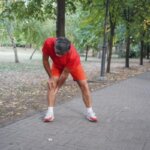
Feel tired after stretching can be confusing, especially when stretching is supposed to help your body feel looser and better. The key is to judge whether the tiredness feels like calm relaxation, temporary muscle fatigue, or stronger weakness that changes how you move.
1. Feel Tired After Stretching: What Starts It
If you wonder why stretching makes you tired, the simplest answer is that it often shifts your body from tension into relaxation, but the important part is how that tiredness feels afterward. Slow static stretching, especially when you pair it with deep breathing, can make your body feel less alert and less ready for fast movement. That is why the same stretch routine may feel helpful before bed but slightly draining before exercise or work.
This tiredness usually feels soft, heavy, and calm. Your muscles may feel looser, your breathing may slow down, and your body may feel like it wants to rest. If the feeling passes within a few minutes and you can move normally, it usually fits a normal post-stretch relaxation response.
2. Feel Weak After Stretching: What to Check
Feeling weak after stretching is often temporary when you hold stretches too long, stretch deeply before your muscles are warm, or repeat the same static hold several times. Static stretching can reduce the feeling of muscle readiness for a short time, especially in the area you stretched most. This does not automatically mean something is wrong; it often means your body is less primed for quick force or balance right after stretching.
The pattern matters more than the feeling alone. Mild heaviness in both legs after a long hamstring or hip stretch is different from sudden collapse, one-sided weakness, numbness, or weakness that keeps getting worse. Temporary weakness after stretching is usually less concerning when it is mild, symmetrical, and improves after walking around.
If stretching leads to shaking instead of simple weakness, compare it with Feel Shaky After Exercise: Blood Sugar, Adrenaline, or a Sign to Stop?
3. When Post-Stretch Fatigue Builds
Post-stretch fatigue is more likely from overdoing it when the routine is long, intense, painful, or focused on deep holds before your body is ready. Stretching should create controlled tension, not sharp pain. If you push into discomfort, hold your breath, or brace through the stretch, your body may leave the session feeling drained instead of restored.
A simple test is how you feel five to ten minutes later. If you feel calmer but functional, the routine likely did its job. If you feel wiped out, shaky, sore, or unusually weak, the stretch intensity or duration was probably too much for that moment.
If tiredness turns into trembling or unstable muscles, check Feel Shaky After Stretching: Reflex, Fatigue, or Blood Sugar?
4. Static Stretching Before Exercise
Static stretching before exercise can make some people feel sleepy, heavy, or less explosive because it relaxes the muscles they are about to use. This is most noticeable before lifting, sprinting, jumping, or any activity that needs quick force. In that situation, tiredness after stretching is usually a routine mismatch rather than a warning sign.
Before exercise, dynamic movement is usually the better choice. Light walking, leg swings, arm circles, hip openers, and gradual movement prepare your muscles without making your body feel too settled. Save longer static stretches for after training, later in the day, or before sleep.
5. Sleepy after stretching vs. drained after stretching
Sleepy after stretching usually feels peaceful. Your body feels slower, your breathing settles, and you may feel like lying down. This is common after evening stretching, yoga-style holds, or slow breathing routines.
Drained after stretching feels different. You may feel weak, foggy, shaky, nauseous, or unable to continue normal activity. The cleanest difference is recovery time: sleepy relaxation fades as you move around, while drained fatigue makes normal activity feel harder.
6. How to adjust your stretching routine
Start by shortening the routine before changing everything. If you currently hold stretches for 60 seconds or longer, try 15 to 30 seconds and see whether the tired feeling improves. If you stretch many areas in one session, reduce the number and focus on the muscles that actually feel tight.
Also separate your routine by purpose. Use gentle static stretching when you want to wind down, reduce tension, or prepare for sleep. Use dynamic warmups when you want energy, coordination, and physical readiness. The wrong type of stretching at the wrong time can make a normal body response feel like a problem.
7. When the Pattern Needs a Check
Pay closer attention if the tiredness is sudden, intense, or paired with dizziness, fainting, chest discomfort, unusual shortness of breath, numbness, or one-sided weakness. Those signs do not fit ordinary post-stretch relaxation. They should not be treated as just “stretching made me tired.”
You should also take it more seriously if the same weakness happens repeatedly after very light stretching, lasts longer than expected, or interferes with walking, balance, or daily activity. In that case, the issue may not be stretching itself. Stretching may simply be exposing another issue, such as blood pressure, hydration, breathing pattern, blood sugar, or overall fatigue load.
8. Final takeaway
Feeling tired after stretching is usually normal when it feels like calm relaxation, but it needs adjustment when it turns into weakness, shakiness, dizziness, or drained energy.
- Normal: sleepy, loose, calm, and better after a few minutes
- Too much: drained, shaky, sore, or weaker after deep static holds
- Routine mismatch: static stretching before exercise makes you feel less ready
- Adjust first: shorten holds, reduce intensity, and use dynamic warmups before activity
- Check further: weakness with dizziness, fainting, numbness, chest discomfort, or one-sided symptoms should not be ignored