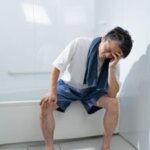
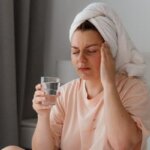
Feel weak after a shower can be unsettling because it happens right after something that should feel relaxing. The main judgment is whether it is a short heat-and-blood-pressure reaction, a hydration or meal-timing issue, or a repeated pattern that needs medical attention.
1. Feel Weak After a Shower: What Hot Water Does to Your Body
A hot shower can make your blood vessels widen, especially near the skin. When this happens, more blood moves toward the surface of the body to help release heat. That shift can temporarily lower blood pressure, especially if the shower is hot, steamy, or longer than usual.
This is why weakness after a shower often comes with lightheadedness, heavy legs, shaky movement, or the feeling that you need to sit down. It does not automatically mean something dangerous is happening. If the feeling improves quickly after sitting, cooling down, drinking water, and getting out of the steam, the pattern usually points more toward a heat response than a serious event.
2. Feel Dizzy After a Hot Bath: Why It Can Feel Stronger Than a Shower
Feel dizzy after a hot bath fits the same general mechanism, but a bath can make the reaction stronger. In a bath, more of your body is surrounded by hot water for a longer time, so heat exposure can build gradually before you notice how lightheaded you are.
This is why dizziness often hits when you stand up from the bath rather than while you are still sitting in it. Your blood vessels are already widened from heat, then standing adds a second challenge because your body has to push blood upward quickly. If that adjustment is slow, you can feel weak, dizzy, foggy, or close to fainting.
A hot bath becomes more concerning when the dizziness is intense, you feel confused, your heart races unusually, or you do not recover after cooling down. If the dizziness is mild and clearly linked to a long hot bath, the first practical test is simple: reduce the temperature, shorten the bath, stand up slowly, and see whether the pattern disappears.
3. Weak, Dizzy, or Tired After Showering: Why the Difference Matters
Weakness after a shower feels like your body has lost power. You may want to sit, lean on something, or move slowly because standing feels unstable. Dizziness feels more like spinning, floating, lightheadedness, or a faint sensation. Tiredness is different again; it feels more like being drained, sleepy, or low-energy without the same faint feeling.
This difference matters because weakness and dizziness point more toward circulation, heat, hydration, blood pressure, or standing changes. Tiredness after a shower can still involve heat, but it can also come from the effort of showering, steam, poor sleep, chronic fatigue, or simply using too-hot water for too long.
For symptoms that feel more like drained fatigue, read Feel Tired After a Hot Shower: Low Blood Pressure or Normal Heat Fatigue?
4. When Post-Shower Weakness Is Usually a Heat Response
Post-shower weakness is more likely to be a normal heat response when it happens after a hot or steamy shower, improves within a few minutes, and gets better when you sit down, drink water, or cool the room. It also fits a heat response if it happens more often after standing still in the shower, skipping breakfast, being dehydrated, or showering right after exercise.
The clearest clue is whether the pattern changes when the shower changes. If cooler showers, shorter showers, better ventilation, and slower standing make the weakness mostly disappear, the trigger is probably the shower environment rather than a random medical event.
If the weakness fades within a few minutes after sitting, cooling down, and drinking water, it usually fits a heat-and-blood-pressure reaction. If you feel faint, need to lie down, or the same thing happens even with cooler water, treat it as more than ordinary shower tiredness.
5. Why Dehydration and Meal Timing Can Make It Worse
Dehydration makes shower-related weakness more likely because your body has less fluid available to maintain stable circulation. A hot shower adds heat, steam, and sweating, even if you do not notice obvious sweat. If you already woke up dehydrated or have not had much fluid that day, the blood pressure shift can feel stronger.
Meal timing can also matter. If you shower after not eating for many hours, weakness may feel shaky, hollow, or nervous rather than purely dizzy. That does not automatically mean a dangerous blood sugar problem, but it does mean the shower may be exposing an already unstable state.
If this happens mainly before breakfast or soon after waking, narrow the pattern with Feel Weak After Showering in the Morning: Fasting or Blood Pressure?
6. When It Could Be Blood Pressure or an Autonomic Response
Some people are more sensitive to heat-related blood pressure changes. If you tend to get lightheaded when standing quickly, feel worse in hot rooms, or feel faint in saunas, hot tubs, or crowded warm places, your body may be slower to adjust circulation under heat stress.
If you often feel lightheaded after a shower, especially when standing still or stepping out of hot water, the pattern may be more about blood pressure adjustment than simple fatigue. This does not automatically mean you have a serious condition, but repeated dizziness after hot showers or baths can overlap with low blood pressure tendencies, medication effects, anemia, autonomic issues, or conditions that make heat harder to tolerate.
The stronger clue is pattern plus intensity. If you regularly feel like you might pass out after hot water exposure, do not treat it as ordinary tiredness. Use cooler water, avoid standing still for too long, and consider discussing the repeated pattern with a healthcare professional.
If the same weak, lightheaded drop happens after deep relaxation, compare it with Feel Dizzy After a Massage: Blood Pressure, Relaxation, or Vertigo?
7. Warning Signs After a Shower or Hot Bath
Most mild post-shower dizziness is not an emergency, but some combinations should not be brushed off. Dizziness or weakness becomes more concerning when it appears with chest pain, shortness of breath, fainting, confusion, trouble speaking, one-sided weakness, a severe sudden headache, or a new irregular heartbeat.
These signs move the issue beyond a simple hot-shower reaction. Also pay attention to recovery time: mild dizziness that clears after sitting and cooling down is one thing, but weakness that lingers, keeps coming back without hot water, or disrupts normal daily life should be checked because the shower may only be revealing an underlying problem.
8. What to Change Before Assuming Something Serious
Start with water temperature. A warm shower is very different from a hot, steamy one. If you feel weak after showering, lower the temperature enough that the bathroom does not fill with heavy steam, and keep the shower shorter for a week to see whether the symptoms drop sharply.
Next, change how you exit the shower or bath. Stand still for a moment before stepping out, avoid bending down quickly, and sit if your legs feel unstable. For a bath, drain some water first, sit upright for a minute, then stand slowly instead of going from fully relaxed to fully upright in one movement. If these changes sharply reduce the symptoms, the shower environment was likely the main trigger.
9. Key Takeaway: How to Judge Post-Shower Weakness
Feeling weak after a shower is usually a heat, blood pressure, hydration, or standing-related reaction when it is mild, predictable, and improves quickly after cooling down. It becomes more concerning when it is repeated, severe, unexplained, or paired with symptoms that do not fit a simple hot-water response.
- Normal pattern: hot shower or bath, mild weakness, quick recovery after sitting or cooling down
- More likely trigger-based: worse when dehydrated, fasting, overheated, or standing up quickly
- More concerning: near-fainting, chest pain, shortness of breath, confusion, severe headache, or repeated episodes
- Best first step: cooler water, shorter shower, slow exit, better ventilation, water before showering
- Medical-check pattern: symptoms continue even after changing heat, timing, and hydration