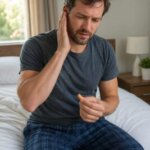
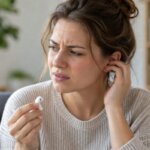
If your ears itch after wearing earbuds, the problem may be trapped sweat, a poor fit, a reaction to the materials, or an inflamed ear canal. The important clue is whether the itching starts immediately, develops hours later, or continues after you take your earbuds out.
1. What Does the Timing of Ear Itching Reveal?
When your ears start itching shortly after putting in earbuds, you might assume the tips are dirty or that an infection has started. Neither is certain, and the timing of the itching can reveal more than the itching itself.
Itching during a sweaty workout suggests moisture, while itching as soon as the ear tips press against your skin suggests friction. A delayed rash may point to contact dermatitis, while persistent itching accompanied by pain, swelling, or discharge raises concern for an outer ear infection.
2. Does the Itching Start After Sweat or Long Listening Sessions?
Earbuds can trap warmth and moisture inside the ear canal, especially during exercise, hot weather, or extended listening sessions. When wireless earbuds make your ears itch only after exercise, trapped sweat may be irritating the skin, particularly if the discomfort fades after removing them and allowing your ears to dry.
However, itching after long, sweaty listening sessions should not automatically be dismissed as harmless moisture buildup. If the itching continues overnight, becomes painful, or occurs even when you have not worn earbuds, the irritated skin may need medical attention because prolonged moisture can also contribute to outer ear infections.
3. Could Your Earbuds Be Rubbing Against the Ear Canal?
If your ear canals feel itchy after using earbuds that fit tightly, the tips may be rubbing against sensitive skin. Friction becomes more likely when itching starts immediately after insertion or worsens as you walk, chew, or adjust the earbuds, particularly if the same area feels tender afterward.
Experiencing itching in just one ear can also suggest a fit problem because your ear canals may differ slightly in size or shape. Once the irritation has settled, try a smaller or differently shaped tip rather than pushing the earbud deeper, and check whether the same discomfort returns.
If tight earbuds make your ears hurt as well as itch, these checks may help: Ears Hurt During Headphone Use? Try These 3 Tests First
4. What If Your Ears Itch Only With Certain Earbuds?
If your ears itch with one pair of earbuds but not another, the difference may be in the materials, fit, or cleaning residue. Contact dermatitis becomes more likely when the itching is accompanied by redness, dryness, or peeling, especially if the irritation returns whenever you use the same earbuds.
Allergic contact dermatitis may appear hours or even a day or two after exposure, while repeated friction, sweat, or cleaning residues can cause similar symptoms without an actual allergy. Switching to foam tips or another material may help, but if the problem repeatedly returns, a dermatologist can check whether patch testing is needed to identify a specific allergen.
5. When Might Ear Itching Signal an Outer Ear Infection?
An outer ear infection, also called otitis externa, can begin with itching before noticeable pain develops, particularly when moisture or damaged skin allows bacteria or fungi to cause inflammation. Warning signs include increasing pain, swelling, or discharge, and the ear may also feel blocked or painful when you gently press the small cartilage flap in front of the canal.
For example, itching that disappears after a sweaty workout is less concerning than itching that continues overnight and becomes painful the following morning. Seek prompt medical care if pain, discharge, swelling, fever, or hearing changes develop, especially if you have diabetes or a weakened immune system; sudden hearing loss requires urgent assessment.
6. What Should You Change Before Wearing Earbuds Again?
If your ears are mildly itchy without pain, discharge, or swelling, stop wearing earbuds until the irritation settles and keep your ears dry without inserting cotton swabs or other objects into the canal. Once your ears feel normal again, try shorter listening sessions, clean and completely dry your earbuds according to the manufacturer’s instructions, and consider different ear tips or over-ear headphones if the problem returns.
Avoid putting hydrogen peroxide, alcohol, oils, or unprescribed ear drops into an itchy ear canal because some products can worsen irritation or be unsafe when the eardrum is damaged. If your ears keep itching despite changing your listening habits, a medical examination can check for dermatitis, excess earwax, or an infection rather than leaving you repeatedly guessing about the cause.
7. What If Your Ears Begin Hurting Along With the Itching?
Itching becomes more concerning when your ear starts to hurt, but the pattern of pain still matters. Discomfort that appears only when an earbud presses against a particular spot may come from a poor fit, while pain that persists after removal or worsens when you touch the outer ear can indicate inflammation that needs examination.
If changing the fit eventually prevents the discomfort, pressure may have been contributing to the problem, but do not keep testing earbuds against already irritated skin. Stop using them and seek medical care if pain persists, becomes severe, or occurs alongside discharge, swelling, or reduced hearing.
8. Bottom Line
- Itching after long or sweaty listening sessions may result from trapped moisture, especially when it fades after removing your earbuds and allowing your ears to dry.
- Itching immediately after inserting earbuds often suggests pressure or friction, particularly when one ear or one specific spot is affected.
- Recurring itching with redness, peeling, or delayed irritation may indicate contact dermatitis caused by earbud materials, cleaning residues, or repeated skin irritation.
- Persistent itching with increasing pain, swelling, discharge, or hearing changes may signal an outer ear infection and should be medically evaluated.
- The safest approach is to stop using irritating earbuds, avoid scratching or unnecessary ear treatments, and seek medical attention if symptoms persist, worsen, or repeatedly return.