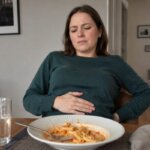
If pasta makes me constipated, the usual problem is not pasta by itself. The better question is whether refined wheat, a large portion, low fiber, too little fluid, or a cheese-heavy sauce is making stool harder to pass.
1. Start With the Stool Pattern Before Blaming Pasta
If you notice constipation after eating pasta, check whether you mean hard stool, straining, fewer bowel movements, or just fullness. It is easy to blame the food you just ate, but true constipation is usually a repeated bowel pattern.
A common mistake is blaming gluten first when the more likely issue is a low-fiber pasta meal. The key is to compare noodle type, portion size, sauce, hydration, and what else you ate that day.
2. When White Pasta Becomes the Main Suspect
Can pasta cause constipation if it is just plain spaghetti or noodles? White pasta is more suspicious because it is made from refined wheat flour, which is lower in fiber than whole-grain versions.
This kind of refined wheat constipation pattern is more likely when pasta replaces vegetables, beans, fruit, oats, or whole grains. If bowel movements improve when you add salad, lentils, or vegetables to the same meal, fiber balance is probably the main issue.
3. When Portion Size Changes the Diagnosis
A small pasta serving may be easy to tolerate, while a large bowl can crowd out the foods that keep stool soft. When most of the plate is noodles, the meal can become high in refined starch and low in fiber.
Portion size also matters because constipation often reflects the full day, not only one dinner. A large pasta meal after a low-fiber breakfast and lunch is more likely to cause hard stool than the same pasta in a balanced day.
4. When Sauce and Toppings Slow the Meal Down
Pasta may get the blame when the sauce and toppings are doing much of the work. Cheese, cream sauce, butter, processed meat, and low-fiber sides can create a heavy meal that moves more slowly.
This matters because constipation is usually about hard stool or delayed bowel movements later. Gas, swelling, or pressure soon after eating points more toward bloating than a bowel movement slowdown.
If gas or swelling is your main clue, compare that pattern with Pasta Makes Me Bloated? Wheat, Portion, or Sauce Trigger
5. When Higher-Fiber Pasta Is Worth Testing
If regular pasta backs you up, a higher-fiber swap is often a better first test than going gluten-free. Whole-wheat pasta, chickpea pasta, lentil pasta, or a smaller portion with beans and vegetables can raise fiber without removing pasta completely.
Make the change gradually because a sudden fiber jump can cause gas or cramps. Fiber also needs enough fluid, so drinking too little water can leave stool bulky but still difficult to pass.
6. When Gluten or Wheat Deserves a Closer Look
Gluten or wheat sensitivity can matter, but it should not be the first explanation for every pasta constipation pattern. It becomes more relevant if constipation appears with many wheat foods or comes with ongoing abdominal pain, diarrhea episodes, fatigue, anemia, weight loss, or a family history of celiac disease.
Do not start a strict gluten-free diet before medical testing if celiac disease is a real concern. If the pattern only happens after large bowls of white pasta with cheese or cream, fiber, portion size, fluid intake, and meal balance deserve the first test.
7. What to Change Before Cutting Pasta Out
Start by keeping pasta in the meal but reducing the portion and adding vegetables, beans, lentils, or a side salad. This tests whether bowel movements improve when refined starch no longer takes over the plate.
Next, compare white pasta with whole-wheat or legume pasta while keeping the sauce and portion similar. Seek medical advice if constipation is new, severe, persistent, or comes with blood in stool, vomiting, fever, unexplained weight loss, intense pain, or inability to pass gas.
If constipation leaves you shaky after straining, the reaction may involve more than the pasta meal itself: Feel Shaky After Constipation: Straining, Pressure, or Warning Sign?
8. Bottom Line
- Pasta is more likely to cause constipation when it is refined, low-fiber, and eaten in a large portion.
- White pasta becomes more suspicious when it replaces vegetables, legumes, fruit, or whole grains.
- Cheese-heavy or creamy pasta can worsen the low-fiber pattern and make stool slower.
- Whole-wheat, chickpea, or lentil pasta may help if fiber balance is the real issue.
- Gluten is worth checking only when symptoms extend beyond pasta or suggest celiac disease.