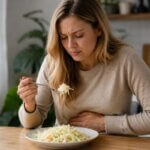
Can kimchi cause diarrhea? Yes, but the reason is not always the same. The useful clue is whether your reaction fits portion size, fermentation level, spice, histamine sensitivity, recipe ingredients, or a food-safety problem.
1. Check the Pattern Before Blaming One Cause
Start by checking whether the reaction happened once, repeats with the same food, or appears only when you eat a large serving. A single bad episode means something different from a repeat pattern after small amounts.
Also notice timing, severity, and what else was eaten with it. Mild loose stool after a heavy meal is different from watery diarrhea with vomiting, fever, strong cramps, or dehydration.
2. When a New Fermented Food May Be the First Clue
Kimchi-related diarrhea can happen when your gut is not used to fermented foods. If your first thought is “kimchi gave me diarrhea,” check whether the serving was much larger than your usual fermented food intake.
Can fermented foods cause loose stools? They can for some people, especially when live bacteria, fiber, acidity, and strong seasoning arrive suddenly in a large portion, so portion size may matter more than a fixed kimchi intolerance.
3. When the Spice Level Changes the Reaction
Spicy kimchi diarrhea can come from chili seasoning irritating a sensitive gut. This pattern is more likely if hot kimchi causes urgency, burning, cramps, or a fast bathroom trip, while mild fermented vegetables cause less trouble.
The key is whether heat changes the reaction more than fermentation does. If fresh mild kimchi feels fine but extra-spicy kimchi, gochugaru-heavy kimchi, or kimchi jjigae causes loose stools, spice may be the stronger clue.
If spicy foods beyond kimchi cause urgency too, compare your next pattern with Indian Food Gives Me Diarrhea? Spice, Fat, or Cream?
4. When Fermentation Level and Sourness Matter
Older kimchi can taste sharper, more sour, and more intense because fermentation continues over time. For some people, very sour kimchi may cause more gas, bloating, stomach rumbling, kimchi loose stools, or diarrhea than fresher kimchi.
Sour does not automatically mean spoiled. The clue is whether well-kept but strongly fermented kimchi bothers you, while fresher, milder kimchi in a smaller portion feels easier.
5. When Histamine Sensitivity May Fit Better
Fermented foods can be higher in histamine, and some people react poorly to that pattern. Kimchi side effects diarrhea may fit histamine sensitivity more if you also notice flushing, headache, nausea, itching, stuffy nose, or a racing feeling after fermented foods.
This clue becomes stronger if aged cheese, wine, vinegar-heavy foods, kombucha, sauerkraut, or other fermented foods also bother you. If only one batch of kimchi caused symptoms, food safety or ingredient load may still be more likely than histamine.
6. When Garlic, Onion, Cabbage, or Seafood Ingredients Matter
Kimchi is not just fermented cabbage. It can also contain garlic, onion, scallions, radish, fish sauce, shrimp paste, sugar, or other ingredients that may trigger symptoms in sensitive digestion.
This matters if you get kimchi upset stomach diarrhea with certain recipes but not others. Garlic-heavy, onion-heavy, seafood-based, or very cabbage-heavy kimchi may cause gas and loose stools even when fermentation itself is not the only problem.
If seafood-based kimchi feels suspicious, compare nausea clues with Crab Makes Me Nauseous? Allergy or Food Poisoning Clues
7. When Spoiled Kimchi or Food Poisoning Needs Attention
Kimchi food poisoning diarrhea is a different situation from mild loose stool after a normal serving. Be more cautious if the kimchi smells rotten instead of sour, has unusual mold, tastes off, was stored poorly, or came from a contaminated container.
A food-safety problem becomes more suspicious when diarrhea is sudden, watery, intense, or paired with vomiting, fever, chills, severe cramps, or other people getting sick from the same food. Do not keep testing the same batch if the reaction feels unusual or severe.
8. What to Try Before Cutting It Out Completely
If symptoms were mild and there were no warning signs, test one variable at a time. Try a small amount of fresh, mild kimchi with a simple meal, then compare it later with older, spicier, or larger servings.
Avoid stacking triggers during the test. A large bowl of rice, fatty meat, alcohol, spicy stew, and a big serving of kimchi can make it harder to tell whether the issue was fermentation, spice, portion size, fat, or the whole meal.
9. When You Should Be More Careful
These clues can help you sort the pattern, but they do not diagnose an intolerance, infection, or digestive disorder. Get medical advice quickly if diarrhea is bloody, black, severe, or linked with high fever, persistent vomiting, strong abdominal pain, or signs of dehydration.
Dehydration signs can include dizziness, very dark urine, extreme thirst, dry mouth, or being unable to keep fluids down. You should also be more cautious if diarrhea after eating kimchi keeps repeating after small portions.
10. Final Bite Check
- Kimchi can cause diarrhea after a large serving or sudden fermented food increase.
- Spicy kimchi points more toward chili irritation if heat changes the reaction.
- Very sour kimchi may bother some people more than fresh, mild kimchi.
- Histamine sensitivity is more likely if other fermented foods also cause symptoms.
- Spoiled kimchi, fever, vomiting, severe cramps, bloody stool, or dehydration needs more caution.